City signs MOU with HS Hyosung Energy Solution Korea
Factory to produce 20,000 tons of silicon anode material annually
1.2 trillion won investment, completion targeted by 2030
![HS Hyosung Energy Solution Korea CEO Lee Ki-su (left) and Ulsan Mayor Kim Sang-uk pose after signing an investment MOU for a new silicon anode material production factory at Ulsan City Hall on Monday. [Ulsan City]](https://wimg.heraldcorp.com/news/cms/2026/09/14/news-p.v1.20260914.b84af67b07b4453ea8de0a1468cb04c3_P1.jpg)
Ulsan is set to become a key production hub for next-generation battery materials — components critical to extending the driving range and reducing charging times of electric vehicles.
HS Hyosung Energy Solution Korea will invest 1.2 trillion won ($891 million) in phases through 2030 to build a mass-production factory for silicon anode material, a core next-generation battery component, within the Ulsan-Mipo National Industrial Complex. The company is a joint venture established by HS Hyosung Group and Belgian materials giant Umicore to enter the silicon anode material business.
With the new factory, Ulsan will have the capacity to produce both cathode and anode materials — the two key components of electric vehicle batteries. Samsung SDI broke ground last November on its STM Materials Plant 4 in Samnam-eup, Ulju-gun, which will produce cathode material at an annual capacity of 72,000 tons.
Silicon anode material has drawn attention as a next-generation battery component because its energy density far exceeds that of conventional graphite anodes, significantly improving battery capacity and charging speed — translating into shorter charging times and longer driving ranges for electric vehicles.
The gap in global market share is particularly stark: while South Korean companies such as Ecopro BM hold around 20 percent of the world cathode material market, domestic producers account for only about 2.8 percent of the anode material market. The new facility is expected to strengthen the competitiveness of South Korea's electric vehicle industry and chip away at China's dominance in the global anode material market.
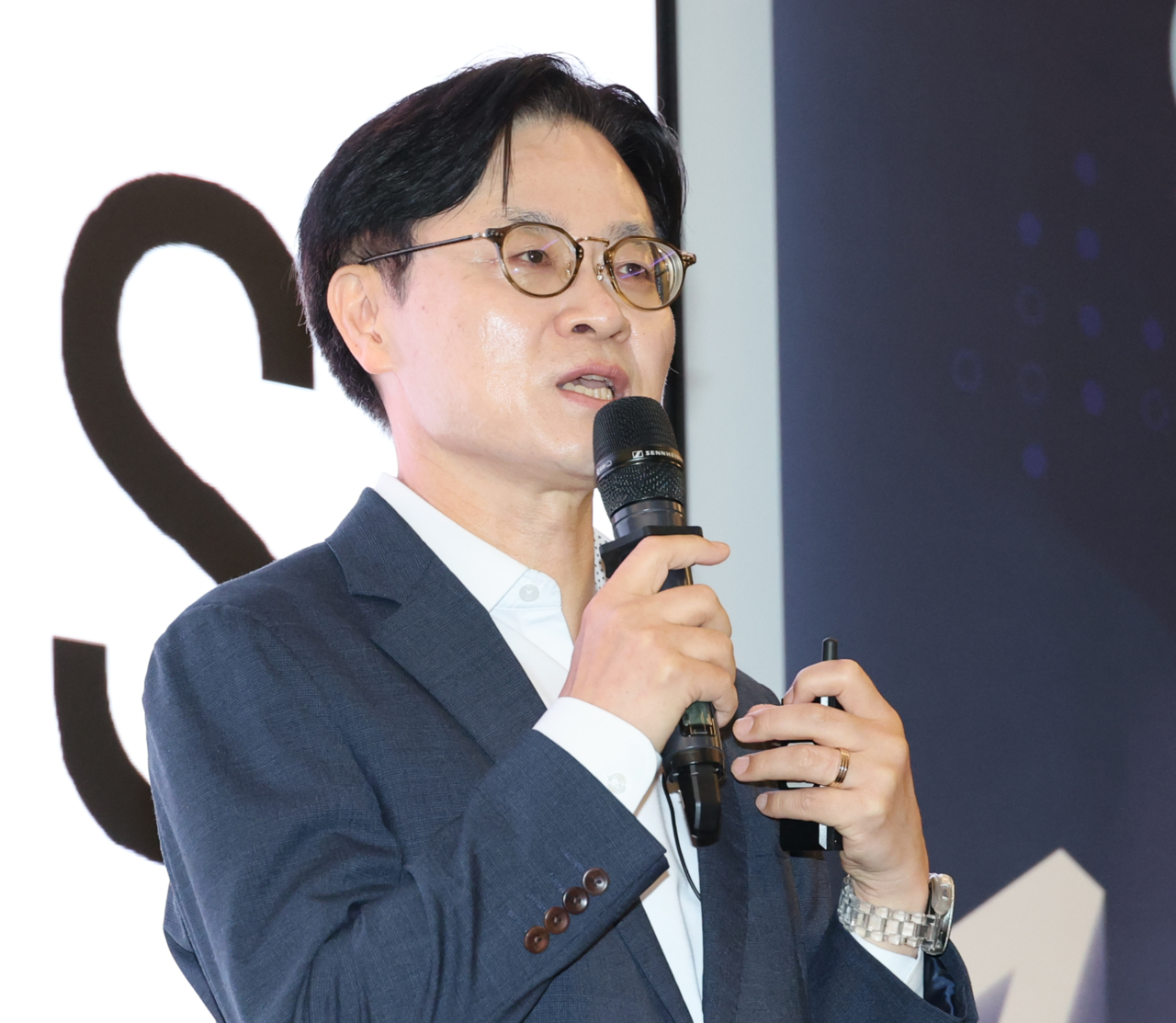
Ulsan city officials signed the investment MOU for the new silicon anode material factory on Monday at the mayor's office on the seventh floor of City Hall, with Mayor Kim Sang-uk and HS Hyosung Energy Solution Korea CEO Lee Ki-su in attendance.
Under the agreement, HS Hyosung Energy Solution Korea will invest 300 billion won in the first phase to complete Plant 1 (MPK-1), with an annual capacity of 5,000 tons, by the first quarter of 2028. A second phase will add another 5,000 tons of annual capacity with a further 300 billion won investment, running from the first quarter of 2028 through the third quarter of 2029. A third phase, costing 600 billion won, will add a factory with 10,000 tons of annual capacity between the first quarter of 2029 and the third quarter of 2030.
Ulsan city will provide administrative support, including expedited permits and approvals, to facilitate construction. HS Hyosung has committed to giving hiring priority to Ulsan residents throughout the factory's construction and operation to boost local employment and economic activity.
"This is the first new business venture since our separation from Hyosung Group, and we are launching it in Ulsan — the birthplace of the Hyosung Group," Lee said. "We will fulfill our role as an advanced materials company that grows together with the local community." Mayor Kim said the city would spare no administrative support "so that Ulsan can rise to become the center of the future secondary battery industry."
cityblue@heraldcorp.com