Plan calls for priority supply of 150,000 tons per day by end of 2028
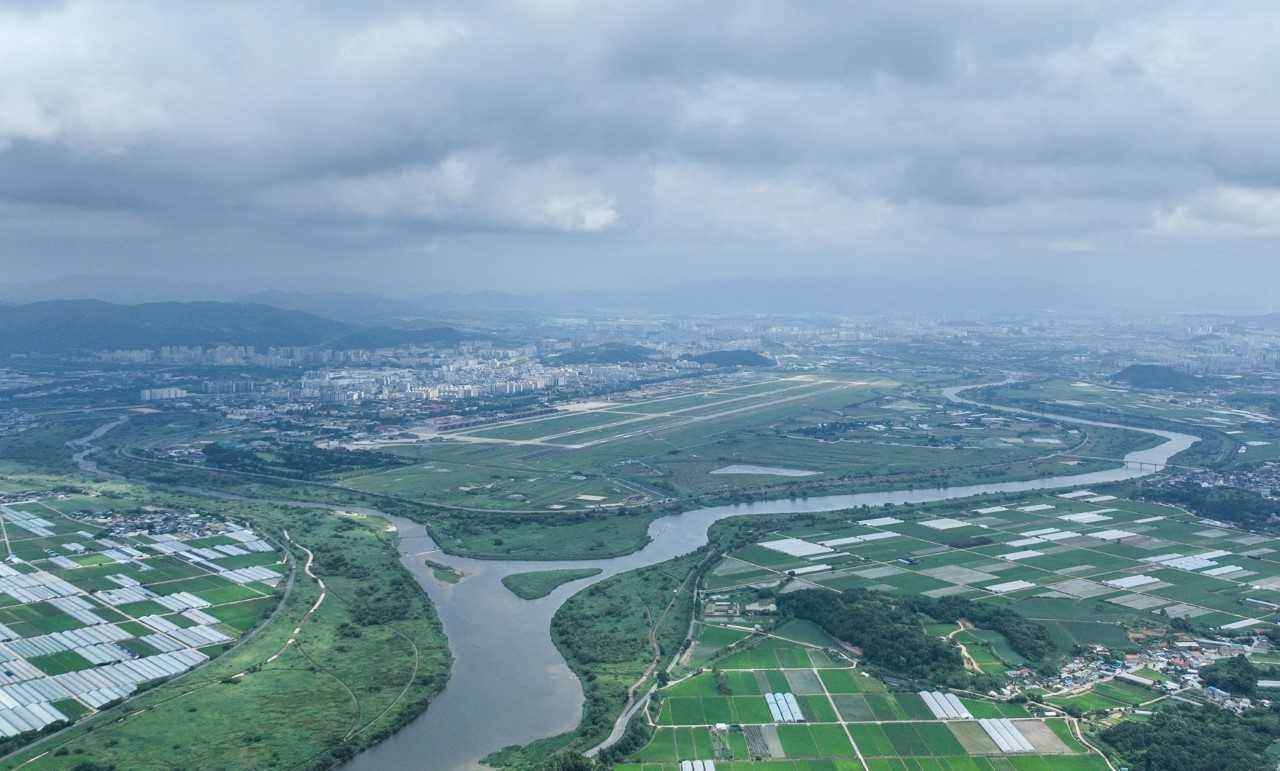
South Jeolla-Gwangju Special Metropolitan City will upgrade and expand the Deoknam water treatment plant to supply 150,000 tons of water per day to the Honam semiconductor cluster on a priority basis starting at the end of 2028.
The city's waterworks authority announced Thursday that it plans to invest a total of 45 billion won ($33.3 million) in renovating aging facilities at the Deoknam plant, as part of a review of the first supplementary budget by the Climate, Environment and Energy Committee.
The city has included 100 million won in design and consulting costs in the supplementary budget. It plans to upgrade and expand the plant's filtration facilities and water reservoirs to support the initial water supply for the semiconductor cluster.
The 150,000 tons per day to be supplied on a priority basis by the end of 2028 will come from 50,000 tons of surplus capacity at Juam Dam and 100,000 tons secured by rerouting water from the Boseonggang Dam system.
Earlier, the city announced its water supply plan for the semiconductor cluster late last month, outlining a priority supply of 150,000 tons per day — 50,000 tons from Juam Dam and 100,000 tons from Boseonggang Dam — by the end of 2028, with supply to increase in stages as semiconductor production facilities come online.
The city also plans to tap additional water sources, including Dongbok Dam and Naju Dam, and to pursue advanced treatment of residential wastewater from the Gwangju area for reuse as industrial water for semiconductor production.
The goal is to establish a water supply system capable of delivering 650,000 tons per day by 2030.
sij@heraldcorp.com