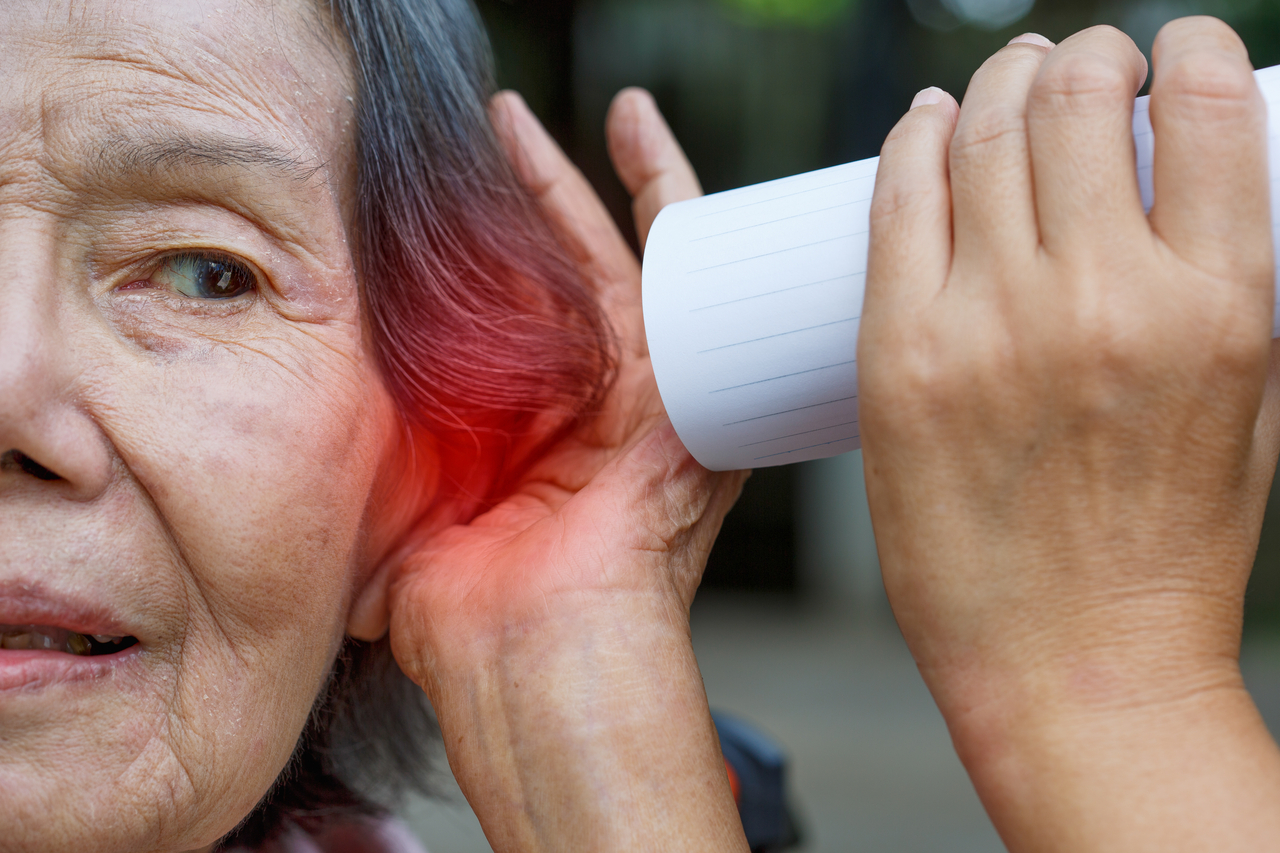
Hearing loss is one of the most common conditions among older adults. Age-related hearing loss — known medically as presbycusis — develops gradually in most people as they age. It is estimated that one in three people over 60 experience some degree of hearing loss, a figure that rises to 40 to 50 percent among those 75 and older. Diminished hearing makes it difficult to follow conversations, respond to emergency warnings and understand other sounds essential to daily life.
If an older person increasingly turns up the television volume or frequently asks "What did you say?" during family conversations, hearing loss may be worth considering. While some people notice the decline themselves, it is more often a household member who first picks up on the signs. In East Asian cultures, where consideration for others is deeply ingrained, many people delay seeking a formal diagnosis out of reluctance to cause inconvenience — and in doing so, miss the window for timely treatment.
Age-related hearing loss is the most common form of hearing impairment in older adults. It occurs as the cochlea, auditory nerve and other inner-ear structures that detect and transmit sound gradually deteriorate, slowly eroding both the ability to perceive sound and to distinguish individual words. Many patients describe the experience this way: "I can hear sounds fine — I just can't make out what people are saying." That is a hallmark of the condition: sound perception may remain relatively intact while word discrimination declines sharply.
Because the condition typically progresses slowly and affects both ears at the same time, many people do not notice it in the early stages. As it advances, a person may ask others to repeat themselves repeatedly or struggle to follow conversations in noisy environments. In more severe cases, they may begin avoiding conversation altogether — a pattern that can lead to social isolation and depression. The role of those living with the affected person is critical: when hearing loss is suspected, early testing and auditory rehabilitation are essential to helping the person maintain a healthy social life.
When hearing loss is suspected, the first step is a thorough medical history, physical examination and formal hearing test. An ear, nose and throat specialist will assess the condition of the ear and evaluate the degree and type of hearing loss through pure-tone audiometry, speech audiometry, auditory brainstem response testing and CT scans. Sudden hearing loss in one ear, or acute hearing decline accompanied by tinnitus, dizziness or a feeling of fullness in the ear, should not be dismissed as simple age-related hearing loss — medical attention should be sought as quickly as possible. Because most hearing loss stems from damage to sensory organs or the nervous system, prompt medication and rehabilitation therapy improve the chances of recovery.
If testing confirms hearing loss, the course of action depends on the patient's social environment and the severity of the impairment. In mild cases, regular monitoring may be all that is needed. When hearing loss is significant enough to interfere with daily life, a hearing aid may be considered. For severe loss, or when a hearing aid provides insufficient benefit, other rehabilitative options such as a cochlear implant may be explored. The key is to consult a specialist and decide on the treatment approach best suited to the individual's hearing condition.
Age-related hearing loss requires ongoing management rather than a cure, and family attention and early detection are paramount. If an older relative is frequently asking people to repeat themselves or turning the television up unusually loud, do not put off a visit to an ear, nose and throat clinic for a hearing test. It also helps to build protective habits into daily life — keeping earphone volume at a reasonable level and wearing earplugs in loud environments can go a long way toward preserving hearing.

Lee Chi-gyu, a professor in the Department of Otolaryngology at Soonchunhyang University Seoul Hospital, cautioned that age-related hearing loss is easy to neglect because it is seen as a natural part of aging — but leaving it unaddressed for too long reduces auditory stimulation to the brain and can ultimately lead to cognitive decline. "If you find yourself asking people to repeat things more often, or feel that you have become less sensitive to sound, do not wait — get a hearing test to understand your condition accurately, and manage it at the right time with a hearing aid or other means," he said.
The following tips can help family members communicate more effectively with a parent who has hearing loss. Make sure everyone in the family is aware that the parent has hearing loss.
Always sit face to face when speaking with them. Being able to see the other person's facial expressions helps them understand the conversation better.
Speak more loudly and clearly than usual.
Keep to a normal pace and avoid exaggerating your voice.
Avoid talking while chewing food or covering your mouth with your hand.
If they do not seem to understand, rephrase what you said in shorter, simpler sentences rather than simply repeating the same words.
Turn off the television or radio during conversation unless it is necessary to have them on.
Be aware of background noise that can interfere with hearing — at a restaurant, for example, choose a seat away from the kitchen or speakers playing music.
kty@heraldcorp.com