
Steel, footwear and cement industries once anchored the city
Decades-long manufacturing gap bridged by tourism boom
City long known as industry-friendly now proving it again
Donghae, a city that once boasted a strong industrial base in steel, footwear and cement more than 50 years ago, is reinventing itself as a hub for new industries after a long stretch without a meaningful manufacturing sector.
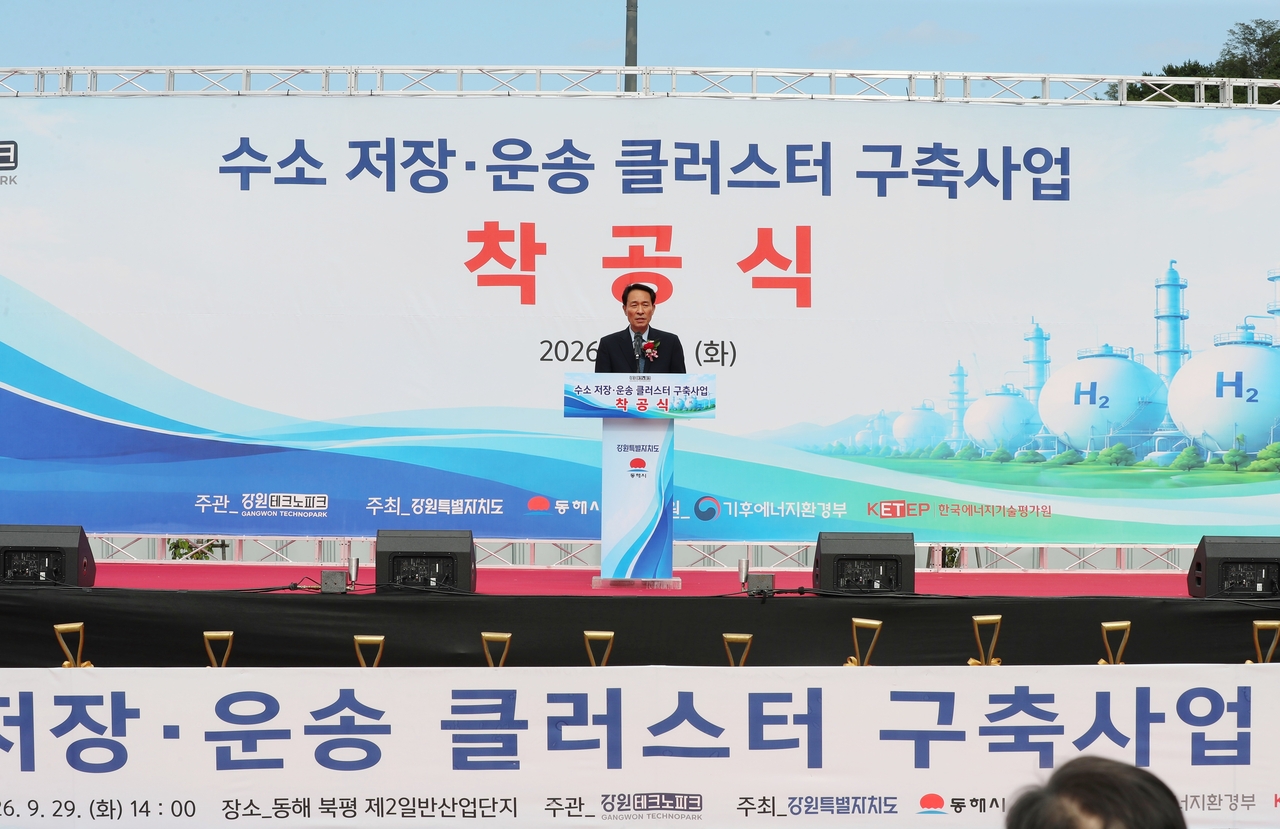
GS Group's Donghae AI data center — a mega-project valued at up to 120 trillion won ($88.2 billion) — is set to break ground as early as November and no later than December. Ahead of that, a groundbreaking ceremony for a hydrogen storage and transport cluster development project was held Tuesday at the Bukpyeong Second General Industrial Complex in Donghae. The AI data center will also be built within the same complex.
The Bukpyeong Second General Industrial Complex, which had sat largely barren for decades despite its designation as a national industrial zone, is finally taking shape.
During the years when its secondary industries had hollowed out, Donghae sustained its local economy through tourism — drawing visitors to the storied alleyways of Mukho's Nongol Damgil, the Dojjebigol district, a former cement quarry transformed into the Mureung Byeoryucheonji public theme park, the seaside charm of Mangsan, Chuam and Hanseom beaches, and the pristine ecology of Mureung Valley along the Baekdudaegan mountain range.
With a history of prominence in heavy and chemical industries and a trade port serving as a northeastern Asia gateway, Donghae is expected to quickly establish itself as a new industrial city.
The hydrogen storage and transport cluster will serve as core infrastructure for technology development, testing and demonstration, and business support for hydrogen-related industries. A total of 66.8 billion won will be invested from 2024 through 2028.
The cluster, to be built within the Bukpyeong Second General Industrial Complex, will include a three-story industrial promotion center to support technology development and commercialization for hydrogen companies, along with a safety testing center and a systems demonstration center for verifying the safety, performance and technology of hydrogen products.
Construction is targeted for completion by the end of 2028, with testing and demonstration equipment for the safety testing center and systems demonstration center to be installed in phases starting in 2027.
Gangwon Province plans to build an industrial ecosystem linking hydrogen production, storage, transport and utilization, and to establish industry-academia-research cooperation networks to lay the groundwork for sustained growth of the hydrogen sector across the province.
"This cluster will mark a historic turning point for Donghae — moving beyond being a simple energy industry city to becoming a forward base for the hydrogen industry," Donghae Mayor Lee Jeong-hak said. "We will invigorate the local economy through advanced infrastructure, fulfill the imperative of achieving carbon neutrality, and build a sustainable city for the future."
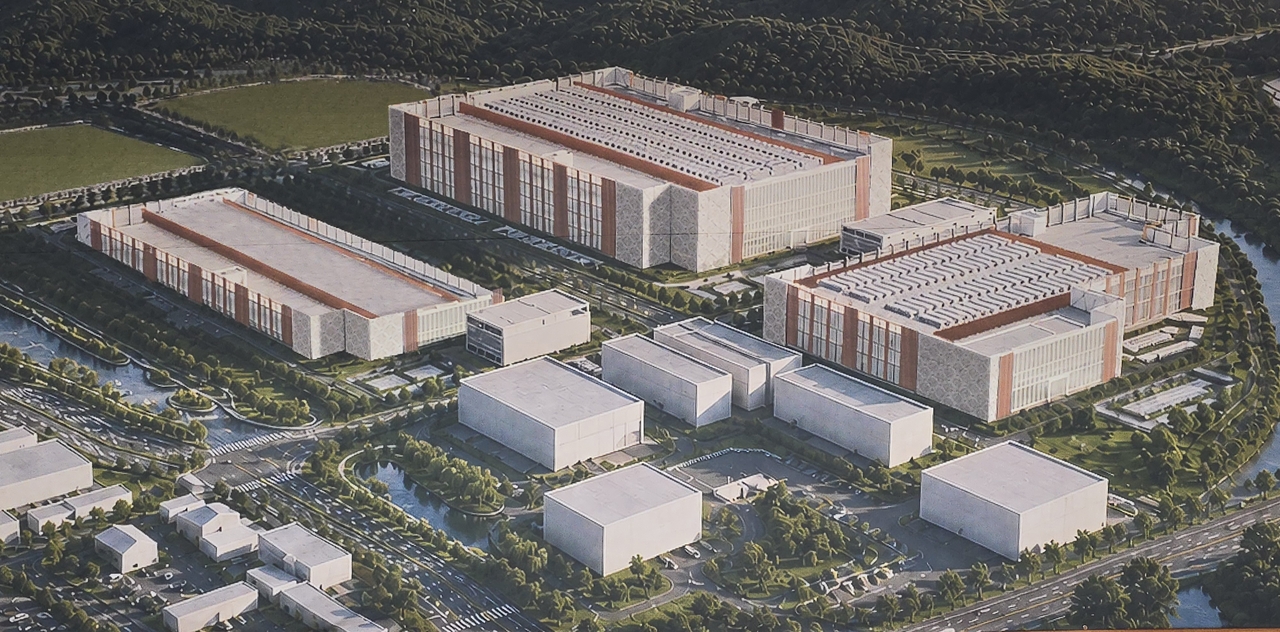
Gangwon Province Governor Woo Sang-ho visited the planned site of the Donghae AI data center — the 120-trillion-won mega-project — on Wednesday and pledged to expedite administrative procedures to ensure construction begins before the end of the year.
Gangwon Province and Donghae agreed that day to listen to companies' concerns and put tailored administrative support measures in place in a timely manner.
The Donghae Bukpyeong AI data center is Asia's largest planned mega-project, with a total capacity of 2.4 GW and an investment of up to 120 trillion won, including the installation of GPUs and other advanced equipment. Permitting procedures are set to be completed by October, with construction slated to begin this year.
"It is hugely significant that a major conglomerate is bringing an AI data center to what has been an empty site, signaling that large-scale investment is flowing into the region in earnest," Woo said. He added that the province would train AI data center specialists that companies need, channel that into quality jobs and help young people put down roots in the region, while expanding the participation of local businesses. "We will nurture the East Coast corridor into an advanced industry hub centered on AI data centers by attracting follow-on investment and related companies," he said.
abc@heraldcorp.com





