LiDAR detects mosquitoes in real time
Laser zaps them mid-air on the spot
Unexpected hit on overseas crowdfunding
Up to 5,000 units a month, first shipment this month
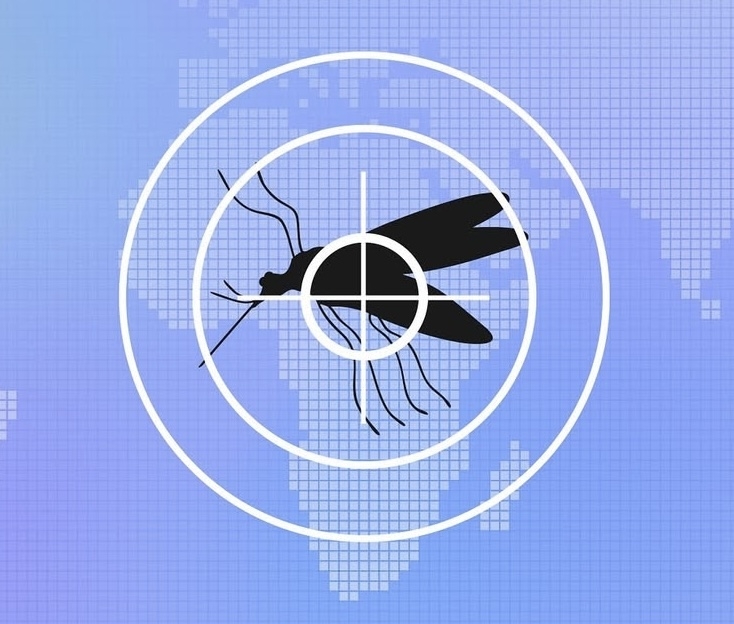
Could the age of swatting mosquitoes with sprays and coils give way to zapping them with lasers?
A Chinese startup has developed a device that uses LiDAR technology to detect airborne mosquitoes and eliminate them with a laser — and is now moving toward commercial production. Unexpected interest from overseas crowdfunding campaigns has the company on track to ship its first products this month.
According to the South China Morning Post, Photon Matrix Lab, a startup headquartered in Changzhou, Jiangsu Province, is preparing to mass-produce a laser-based mosquito detection and elimination device. The report was published Thursday (local time).
The company has set initial monthly output at 3,000 to 5,000 units. The first batch of orders is scheduled to ship this month, with plans to expand production capacity next year. Lawrence Leung, Photon Matrix Lab's sales director, shared the production plans with the Post.
At the heart of the product is LiDAR technology — the same sensing system used in self-driving cars and robots. LiDAR fires laser pulses and analyzes the light that bounces back off objects to determine their position and distance.
Photon Matrix Lab has adapted that technology for mosquito control. The device scans the surrounding space, detects small flying objects, identifies them as mosquitoes and eliminates them with a laser — all automatically, without anyone having to chase a mosquito with an electric swatter or reach for a can of insecticide.
While humans have spent thousands of years fighting mosquitoes with everything from physical screens to chemical sprays, the Chinese startup has taken a different approach: using advanced optical technology to destroy mosquitoes in mid-air. The South China Morning Post described it as a high-tech alternative to conventional insect-repellent and pesticide methods.
What began as little more than an experimental idea gained traction abroad, drawing a flood of orders through overseas crowdfunding campaigns. The company has used that momentum to begin building out a mass-production operation.
Particularly notable is how LiDAR technology, which has advanced rapidly in China, is spreading beyond cars and robots into everyday consumer products.
China has built up a robust ecosystem of LiDAR and sensor components alongside the growth of its electric vehicle and self-driving car industries. Technology once used to help vehicles perceive their surroundings or guide robots around obstacles is now being applied to hunting mosquitoes inside and outside the home.
Still, for a laser-based product to gain broad consumer acceptance, safety and price competitiveness will be critical. Because the device operates in spaces shared by people and pets, reliable safeguards against misfires and high detection accuracy are likely to be key factors in its commercial viability.
The company plans to scale up production gradually on the strength of overseas interest — starting at up to 5,000 units a month and expanding capacity next year once demand is confirmed.
The long war between humans and mosquitoes — fought with insecticides, coils and electric swatters — now has a new combatant: LiDAR and lasers. Whether China's laser mosquito zapper can move beyond a crowdfunding curiosity and carve out an entirely new pest-control market remains to be seen.
sjy@heraldcorp.com