Lula wins reelection in Brazil, blocking Bolsonaro comeback
Orban's 16-year rule ends at the ballot box in Hungary
Netanyahu's bloc falls short of majority in Israel
High prices and corruption fuel anxiety ahead of US midterms
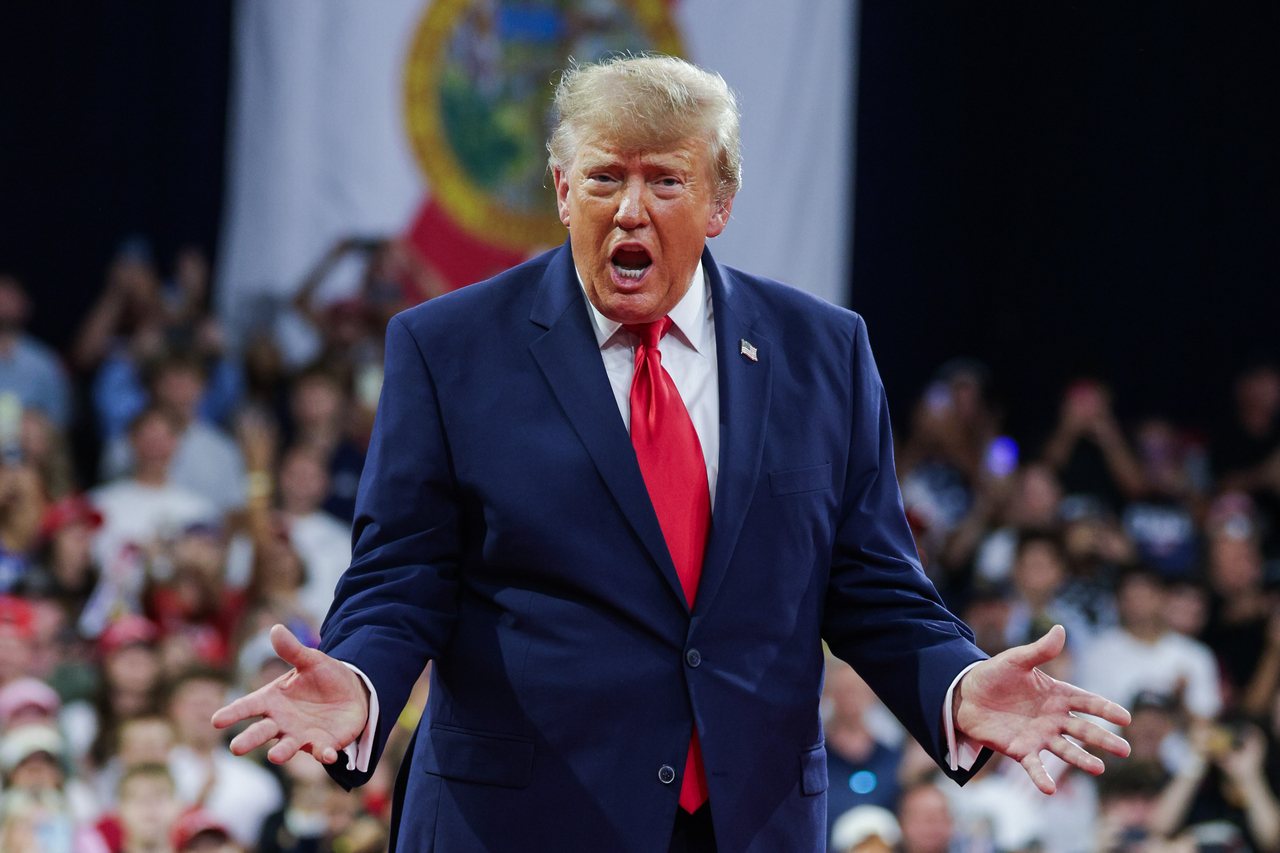
With US midterm elections approaching, voters around the world are pushing back against established political forces. In Brazil, the family of Jair Bolsonaro — a close ally of US President Donald Trump — failed in its bid to reclaim power. In Hungary, former Prime Minister Viktor Orban lost his grip on power after 16 years. And in Israel, uncertainty has grown over whether Prime Minister Benjamin Netanyahu can extend his rule. Frustration over high prices, corruption and entrenched leadership is crossing borders and shaking up election results, drawing attention to the Nov. 3 US midterms.
According to the Washington Post and other outlets, recent elections in Brazil, Serbia and Hungary have dealt successive blows to political forces aligned with Trump. In Israel, the prospect of Netanyahu — who enjoys Trump's open backing — extending his tenure has also grown murky. While each country's political circumstances differ, a common thread has emerged: economic hardship and distrust of entrenched power are shaping voters' choices.
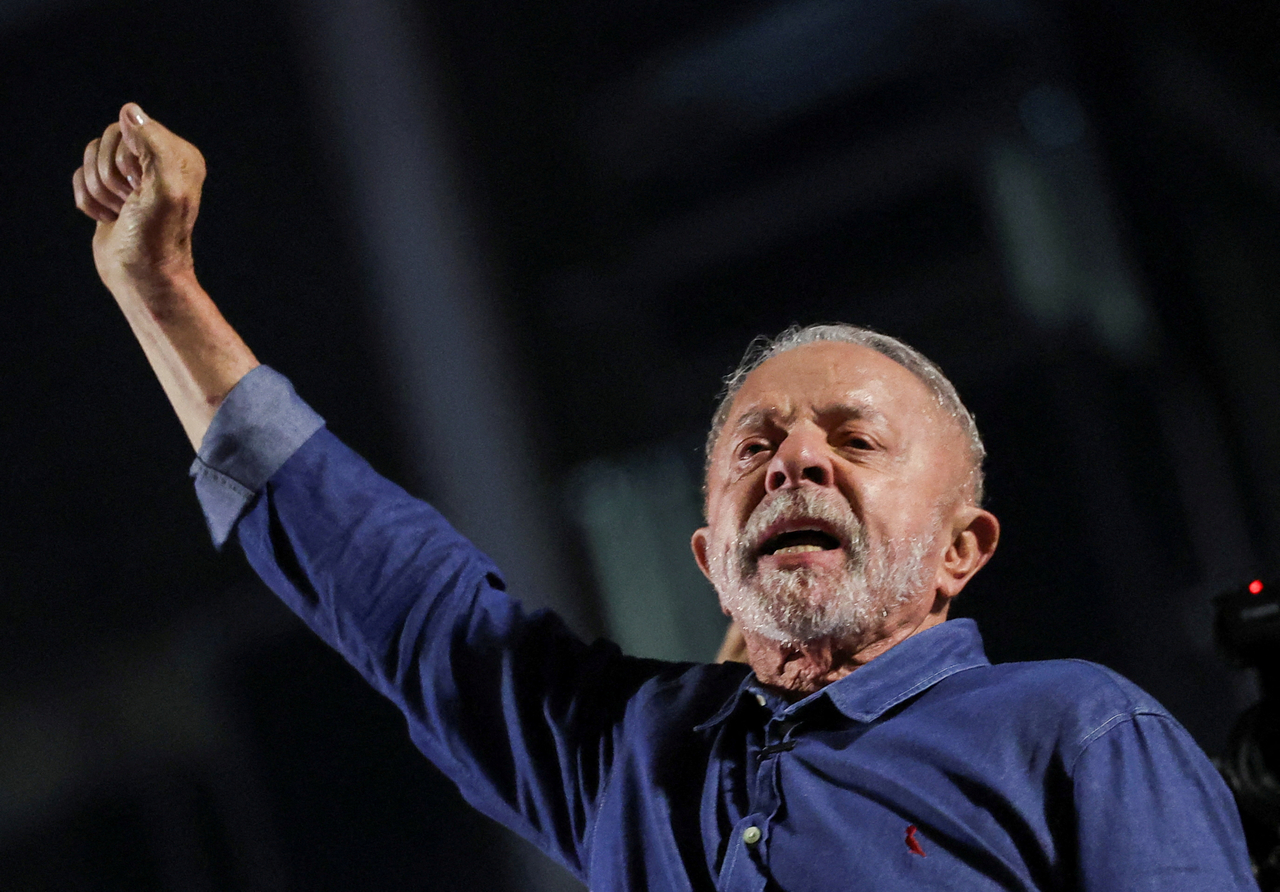
The most recent surprise came in Brazil. President Luiz Inácio Lula da Silva won reelection on Sunday (local time), defeating far-right Senator Flávio Bolsonaro in the presidential runoff. According to Brazilian electoral authorities, Lula secured 51.8 percent of the vote, beating Bolsonaro by about 4.4 million votes.
The race was watched beyond Brazil as a test of Trump's influence in South America. Flávio Bolsonaro is the son of former President Jair Bolsonaro, who maintained close ties with Trump. Trump did not formally endorse Flávio but met with him earlier this year and had criticized the legal proceedings against the elder Bolsonaro while imposing steep tariffs on Brazil.
Lula's victory also checked a recent rightward drift across Latin America, where conservative candidates had scored successive wins in Colombia, Chile and Peru. Brazilian voters instead chose to give the incumbent another term rather than return the Bolsonaro family to power. After the win, Lula said Brazil would not be anyone's "backyard," emphasizing national sovereignty.
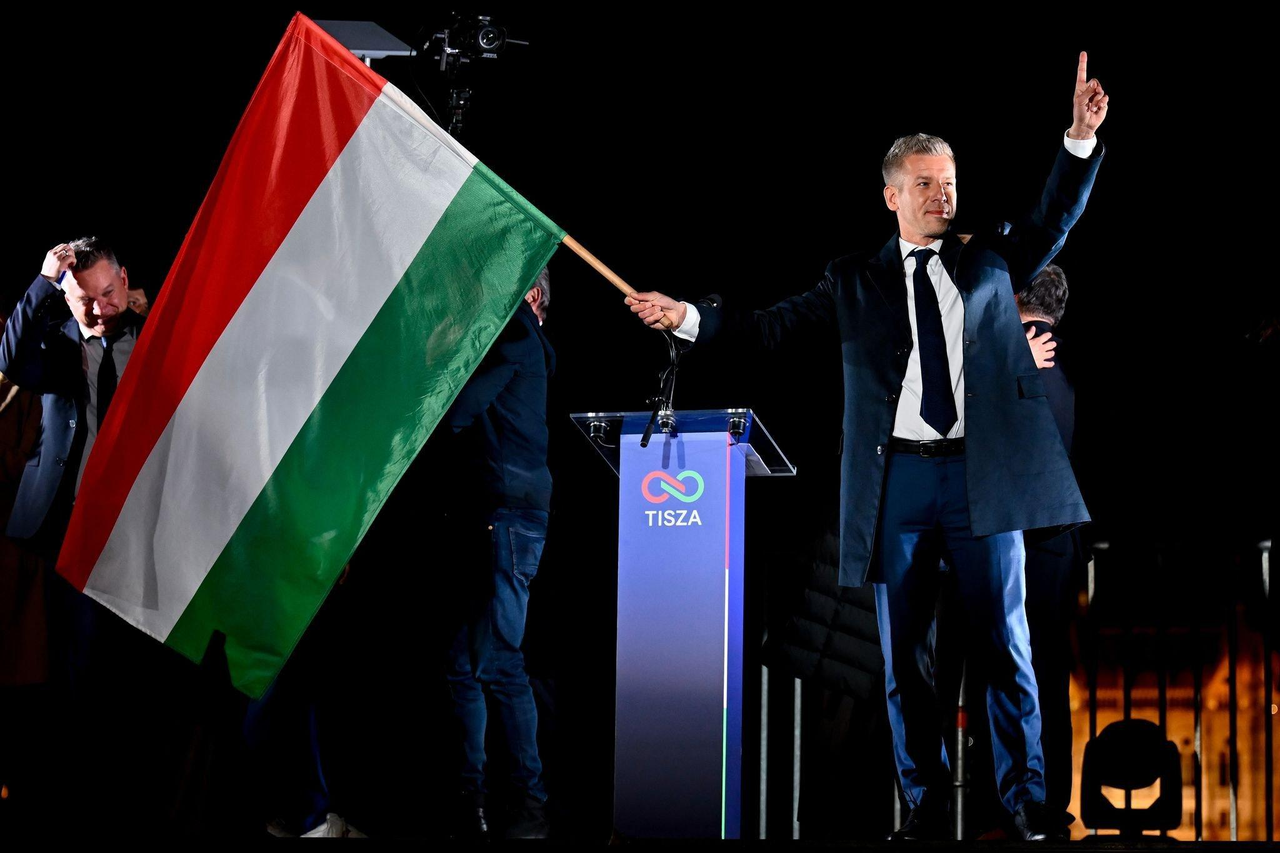
In Europe, too, long-entrenched leaders have faced voters' verdicts. In Hungary, Orban's ruling Fidesz party lost the general election last April, ending 16 years in power. The opposition, led by pro-European conservative politician Péter Magyar and his Tisza Party, secured a commanding parliamentary majority large enough to pursue constitutional reform.
Orban had been widely regarded as Trump's most prominent European political ally. His anti-immigration policies and socially conservative platform had influenced hardline conservatives within the US Republican Party as well. Ahead of the Hungarian election, Trump sent Vice President JD Vance to Budapest to show support for Orban and signaled that the US would actively back Hungary's economy if Trump won reelection. Yet even that public backing was not enough — Hungarian voters chose a change of government.
A similar shift unfolded in Serbia. In the general election held Sunday (local time), an opposition coalition that grew out of student protests defeated the ruling forces of President Aleksandar Vucic. Vucic has dominated Serbian politics for 12 years and has cultivated friendly ties with both Trump and Russian President Vladimir Putin.

The push for change in Serbia grew out of public anger over corruption and authoritarian governance. A 2024 train station roof collapse that killed 16 people sparked student protests against shoddy construction and graft allegations, and that movement eventually grew into a political force capable of threatening the ruling establishment at the ballot box. The opposition's success is notable for prioritizing anti-corruption and political reform over ideology.
In Israel, a key US ally in the Middle East, Trump's support also failed to translate directly into electoral victory. In the general election held Tuesday, Netanyahu's right-wing bloc won only 53 of the 120 seats in the Knesset, falling short of the 61 needed for a majority. The opposition secured 48 seats and Arab parties 19, leaving no bloc with a clear path to forming a government on its own.
Netanyahu had actively highlighted his close relationship with Trump and US backing in the run-up to the vote. Trump publicly endorsed Netanyahu and threw his weight behind an extension of Netanyahu's rule. But questions of accountability over the Hamas attack of October 2023 and the subsequent wars in Gaza, Lebanon and against Iran emerged as central issues in the campaign. After the election, opposition leader Gadi Eisenkot, a former Israeli military chief of staff, said the public had chosen change and called on Netanyahu to step down.
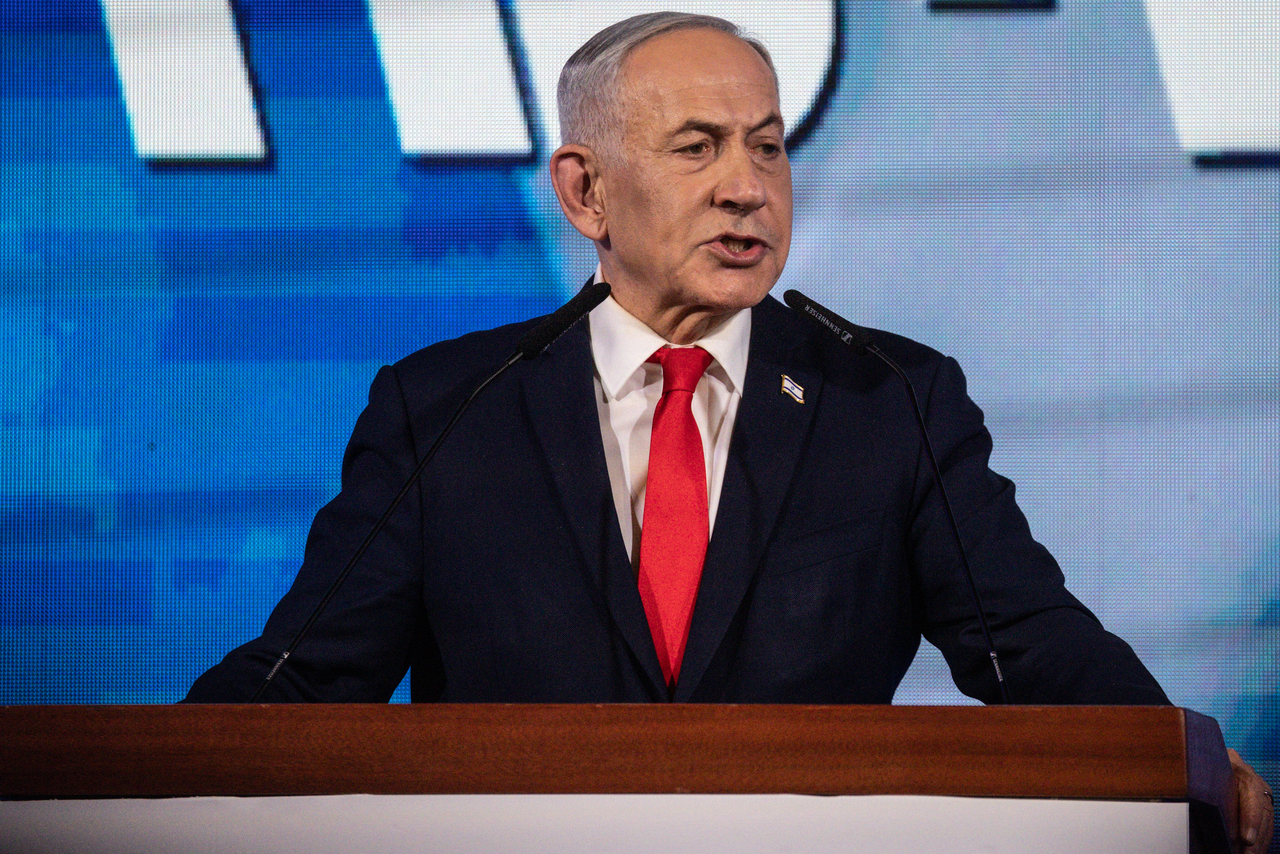
A change of government in Israel, however, is not yet certain. Netanyahu's Likud party remains the largest single party, and whether Netanyahu can stay in power will depend on the outcome of coalition negotiations. Arab parties could prove a decisive variable in forming a new government, but opinion within the opposition is divided over whether to work with them. If coalition talks collapse, a fresh election remains possible.
These results are difficult to read simply as a global anti-right wave. In Brazil, a left-wing president won reelection; in Hungary, a conservative opposition ousted the incumbent; in Serbia, a student-driven political movement toppled the ruling establishment. In Israel, the forces opposing Netanyahu span a wide ideological range. Analysts say the common thread is not left versus right but rather economic grievance, corruption and fatigue with long-ruling governments.
That trend could also weigh on Trump as the US midterms approach. In the United States, discontent is growing over high inflation, elevated gasoline prices and the prolonged war with Iran. Trump has recently held a series of campaign rallies in traditionally Republican strongholds such as Mississippi and Kentucky in an effort to energize his base.
Polling signals are also turning against Republicans. According to the Washington Post, recent surveys show negative assessments of Trump's job performance significantly outpacing positive ones. Democrats are sharpening their strategy of linking the cost of living to corruption, particularly pushing the message that the political establishment prioritizes the interests of the wealthy and entrenched elites over ordinary Americans' economic struggles.
Enthusiasm among Democratic voters is also rising. According to the Washington Post, Democratic House and Senate campaign organizations raised about $574 million from small-dollar donors — roughly four times the $143 million raised by their Republican counterparts. However, Republican-aligned groups are backed by large donors including Elon Musk, making it difficult to predict election outcomes from small-donor figures alone.
sjy@heraldcorp.com