Some Ukrainian units operating at half strength; 'no way to fully exploit battlefield edge gained through drone innovation'
As the Russia-Ukraine war enters its fifth year, both sides have exhausted their frontline manpower and are escalating drone and missile strikes deep into each other's rear, driving a sharp rise in civilian casualties. Foreign media reports indicate the front lines have effectively reached a stalemate, with neither side able to muster enough troops to break through.
According to Reuters, the AP and other wire services, Russian forces have seized roughly 990 square kilometers of Ukrainian territory this year, while Ukrainian forces have recaptured about 820 square kilometers. Although Russia has taken slightly more ground, the gap falls far short of what analysts would consider a decisive advantage after more than four years of war.
Manpower shortages are widely cited as the primary reason for the front-line deadlock. Some Ukrainian units are operating at barely half their original strength. The deputy commander of the Da Vinci Wolves battalion, deployed near Pokrovsk in eastern Ukraine, told the AP that his forces could "barely hold the zone they are responsible for with the equipment and personnel currently available."
Earlier this year, Ukraine's Ministry of National Defense took the unusual step of releasing statistics on desertion and draft evasion and announced plans to overhaul its conscription system, but has yet to produce a clear solution. The AP assessed that Ukraine "lacks nearly enough troops to fully exploit the battlefield advantage it has gained through drone innovation."
Russia faces similar difficulties replenishing its ranks. Moscow declared a partial mobilization of 300,000 reservists months after launching its invasion, but the move triggered a fierce backlash, with hundreds of thousands of Russians fleeing abroad. Russia now relies primarily on volunteer soldiers recruited with high salaries and other financial incentives.
The rapidly expanding range and destructive power of drones has also increased demand for personnel in drone units, further limiting the troops available for the front lines. As the stalemate drags on, both sides have redirected their firepower toward rear areas, raining missiles and drones on civilian infrastructure day after day and pushing the civilian death toll higher.
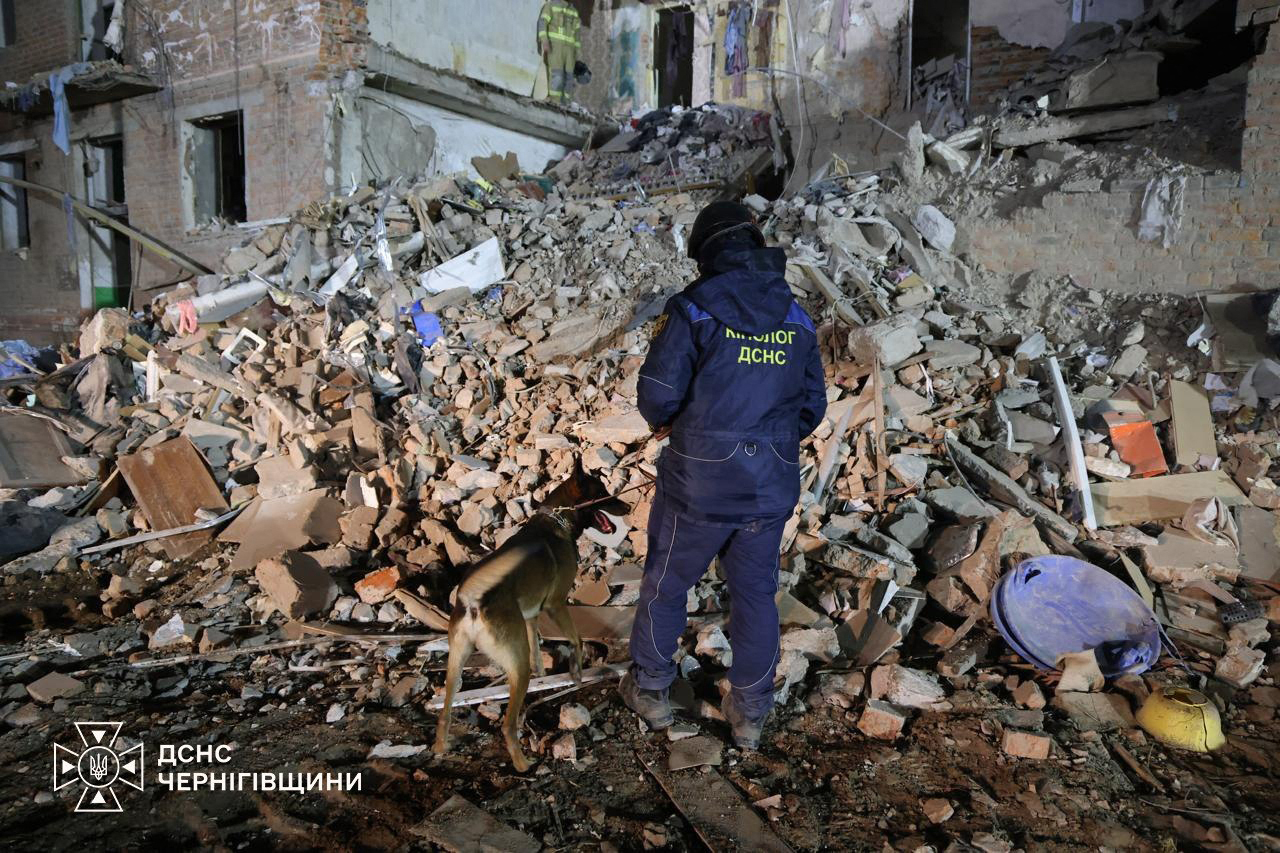
A large-scale Russian air assault Wednesday killed at least 28 people across Ukraine. The attack involved ballistic missiles — which are difficult to intercept — and jet-propelled drones, compounding the destruction. Apartment buildings collapsed and fires broke out in Kyiv and other major cities.
Ukrainian forces struck back, hitting four targets in Russia including two oil facilities in the Perm, Samara and Astrakhan regions. Nick Reynolds, a research fellow at the Royal United Services Institute in London, predicted that "as the front lines remain essentially where they are, there will be no fundamental shift in the overall balance of power across the battlefield."
kty@heraldcorp.com