Sales target: 14.8 trillion won by 2035
Average annual growth of 5.9%
Thermal management: 2.7 trillion won; robotics: 1.3 trillion won
New businesses to account for 27% of sales
3.7 trillion won earmarked for R&D, overseas production and new ventures
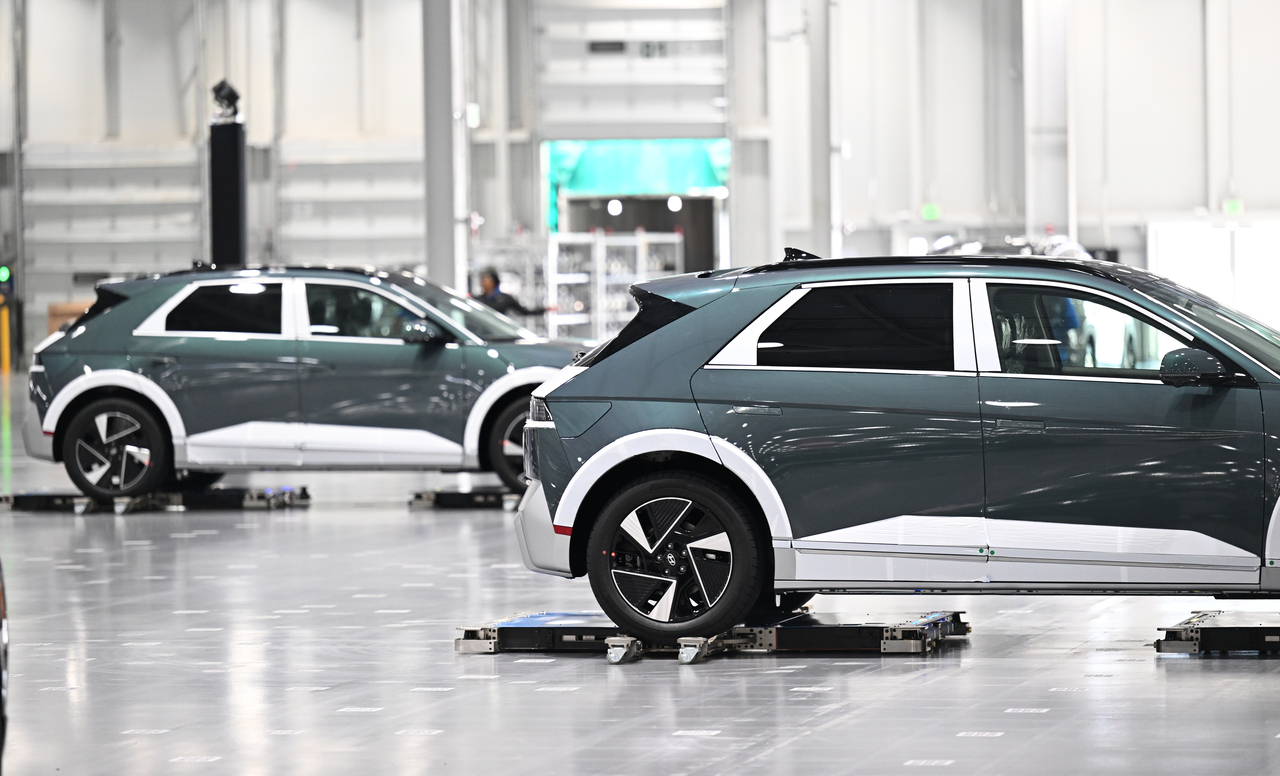
Hyundai WIA has laid out a blueprint to grow its sales to 14.8 trillion won ($11 billion) by 2035 and scale its thermal management and robotics businesses to a combined 4 trillion won, channeling proceeds from its defense unit sale into future mobility and diversifying away from its traditional auto-parts-centered business structure.
The company unveiled the plan Monday under the title "Special Business Division Sale and Growth Strategy." It aims to expand sales from 8.8 trillion won — the target for this year — to 14.8 trillion won by 2035, achieving an average annual growth rate of 5.9 percent.
Central to the strategy is a major push in thermal management systems and robotics, two businesses the company is cultivating as future growth engines. Hyundai WIA plans to grow the combined sales of the two units tenfold — from about 400 billion won at present to 4 trillion won by 2035 — lifting their share of total revenue from 4 percent to 27 percent.
By segment, the company has set targets of 2.7 trillion won in thermal management and 1.3 trillion won in robotics. The projected average annual growth rates for the two businesses are 40.4 percent and 19.8 percent, respectively.
The thermal management business will expand beyond its current vehicle focus. Hyundai WIA plans to advance the thermal management systems used in electric and hybrid vehicles while extending into non-automotive industries such as energy storage systems and data centers. The company will also pursue overseas production capacity and develop next-generation thermal control technology.
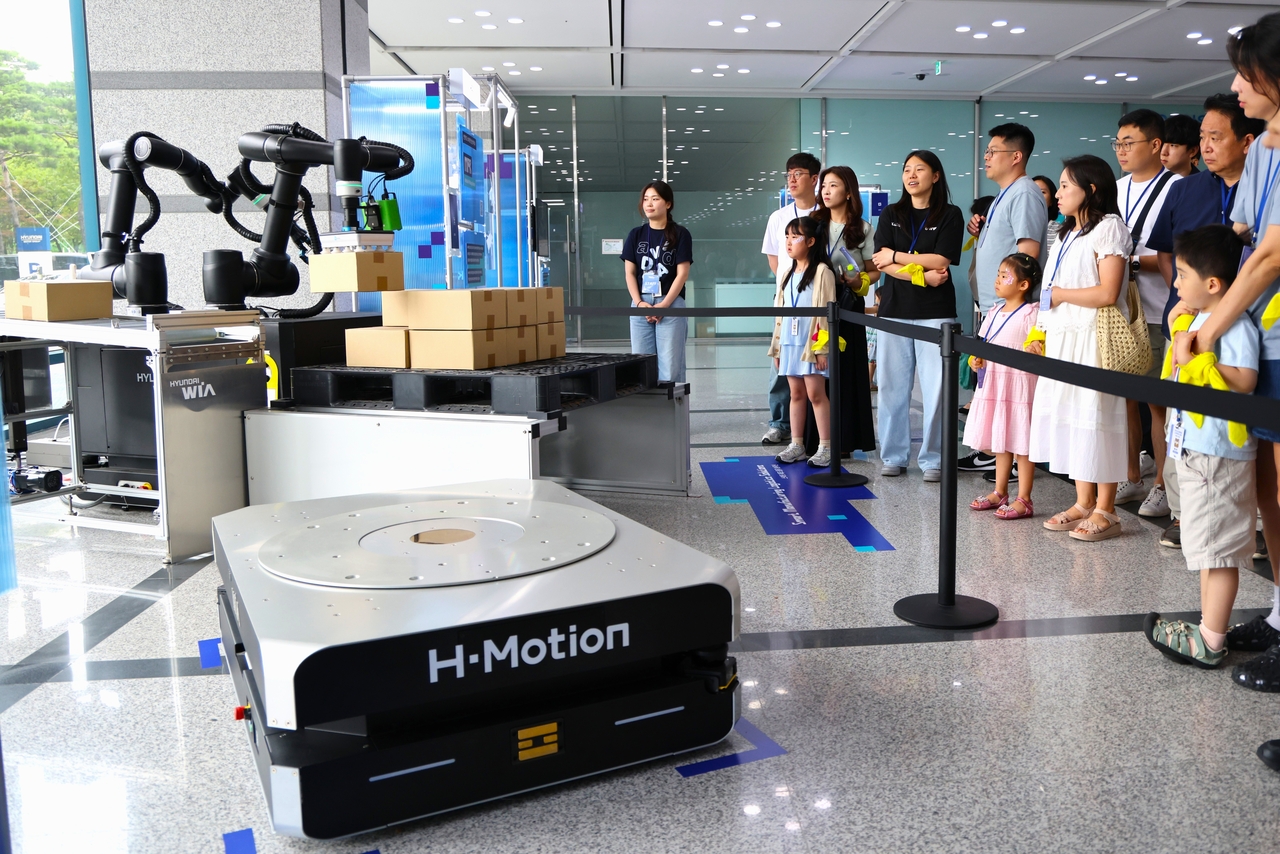
In robotics, the company will concentrate on logistics and parking robots as well as factory automation. It plans to diversify its mobile robot lineup, strengthen logistics control systems and software capabilities, build a mass-production line for parking robots, and expand its robot automation solutions for AI-converted factories.
The existing automotive parts business will be maintained and grown. Hyundai WIA set a mobility segment sales target of 10.8 trillion won for 2035, aiming to win more orders for new electric vehicle platforms from global automakers. In 2027, the company plans to open a constant-velocity joint factory in Pune, India, to strengthen its overseas supply chain.
To support the strategy, Hyundai WIA plans to invest a total of 3.7 trillion won through 2035 — about 1.8 trillion won in research and development, 1 trillion won in expanding global production facilities, and 900 billion won in nurturing new businesses.
To fund the investment, Hyundai WIA is also divesting its defense business. The company disclosed Monday that it had signed a business transfer agreement to sell its special business division to Hyundai Rotem for 358.4 billion won. The deal is subject to approval at an extraordinary shareholders' meeting in November and is expected to close by the end of March next year.
Hyundai WIA said that while the defense business is currently profitable, it would require substantial additional investment to upgrade aging production facilities and expand operations — investment that could divert funds from higher-priority new businesses such as thermal management and robotics.
The land tied to the defense business, which is excluded from the sale, will be leased to Hyundai Rotem and repurposed as a production facility for new businesses once the lease expires. The company said it intends to use the existing real estate to reduce the cost of new equipment investment.
A near-term drag on profitability remains a challenge, however. The sale is expected to leave an annual operating profit gap of about 40 billion won, making the speed at which new businesses such as thermal management and robotics can offset that shortfall a key test of the strategy.

kwater@heraldcorp.com