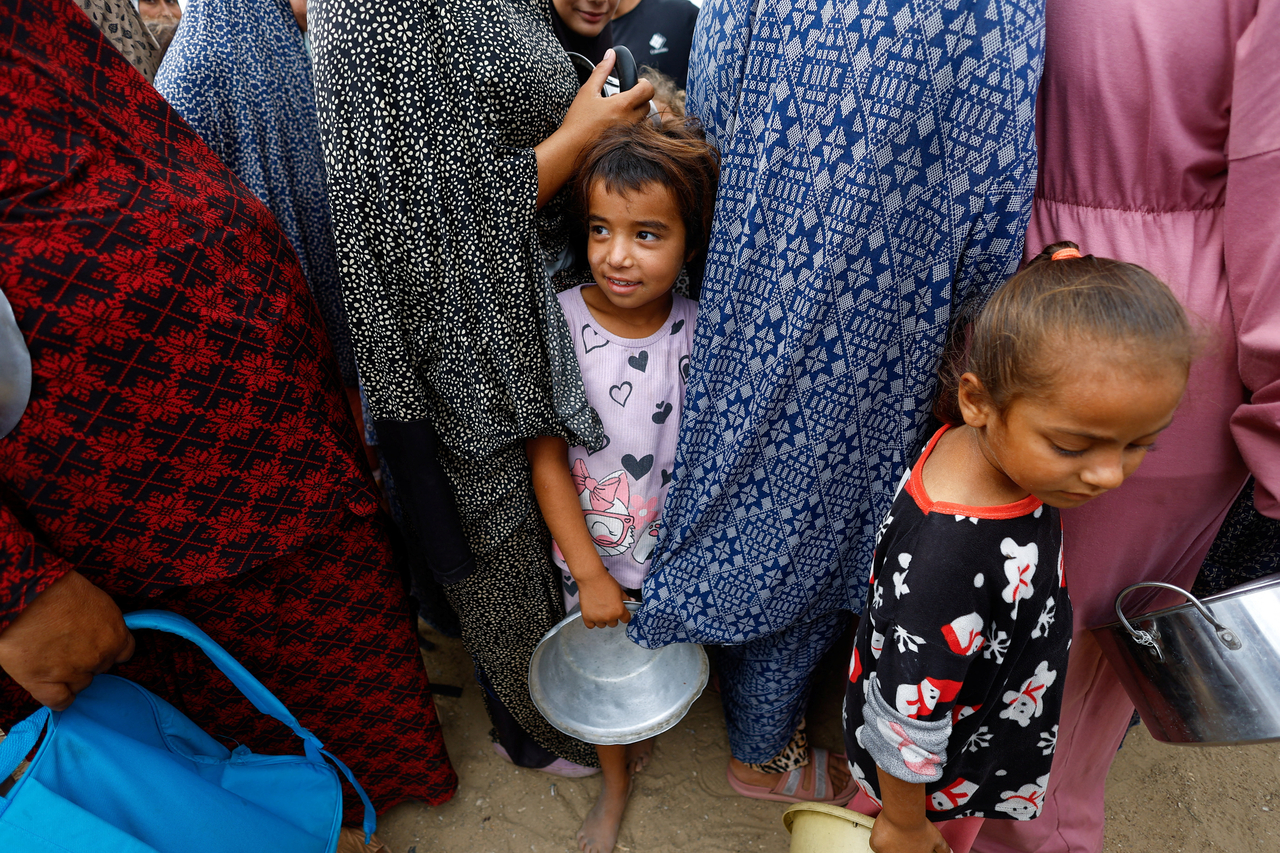
The UN World Food Programme is sharply cutting food aid to Gaza due to a funding shortfall.
The WFP said it would reduce the number of people receiving monthly food assistance in Gaza from 1.6 million to 1.1 million — a cut of 500,000 — according to reports by the BBC and AFP. Sean Hughes, WFP's Palestine director, told AFP: "Starting this month, we are removing 500,000 people from the caseload we are supporting."
Hughes told the BBC the reduction was "because of financial reasons," adding that it was not because the need had diminished or because aid workers lacked access. "We do have access," he said. He warned that the cuts "will add to the suffering that families have been experiencing for three years."
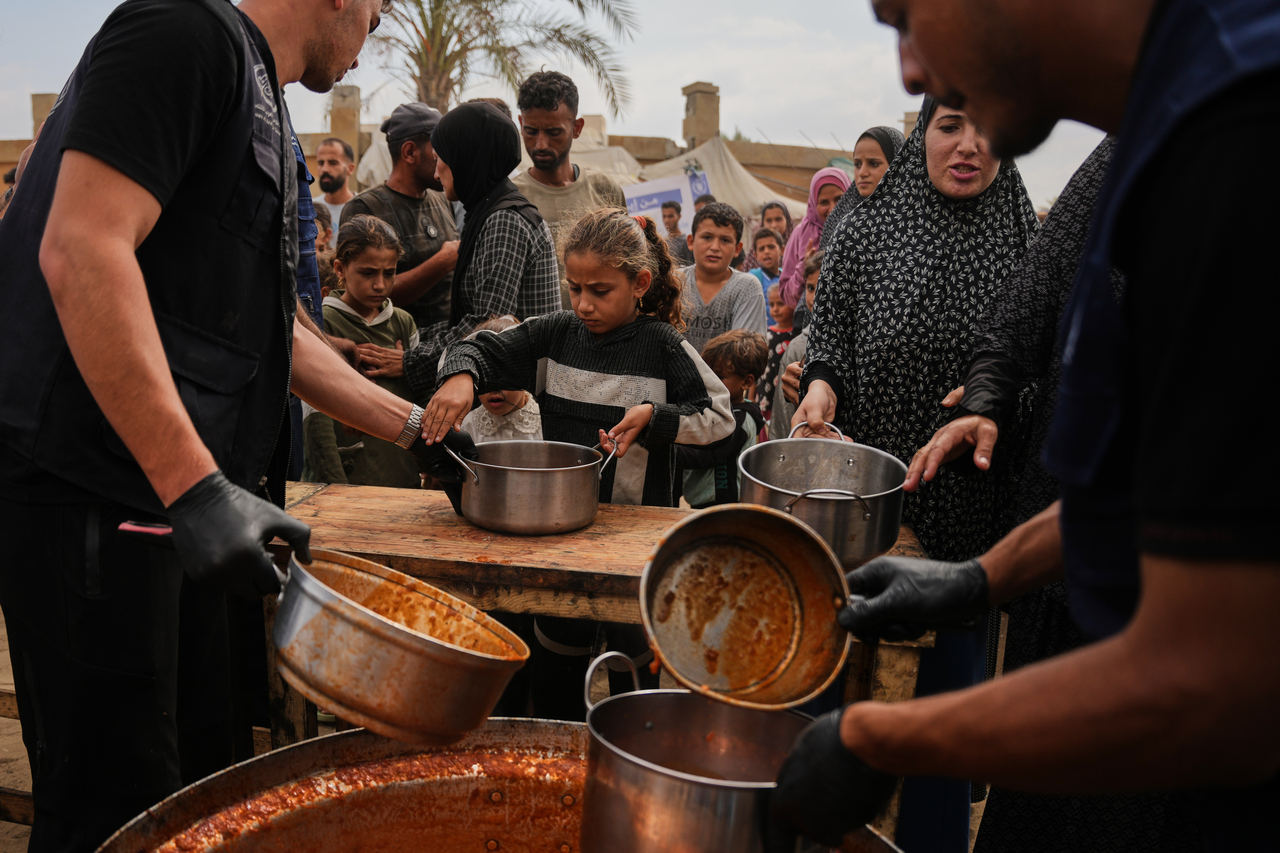
Monthly distributions of flour sacks and food parcels will drop from 1.1 million to 600,000 people. Hot meals served at communal kitchens will fall from 250,000 to 150,000 per day.
In some areas near the Israeli military's so-called Yellow Line, daily meal service will be cut to once every two days. The WFP earlier cut cash assistance to 375,000 people by 40 percent in July.
The WFP said its budget for Palestinian operations this year fell to less than half of previous years. It called for $450 million in urgent funding to sustain core operations over the next six months.
However, the agency said it would continue supporting bakeries that supply roughly one-third of Gaza's bread demand, as well as nutrition support for about 300,000 women and children and nutritional snacks for about 200,000 children.
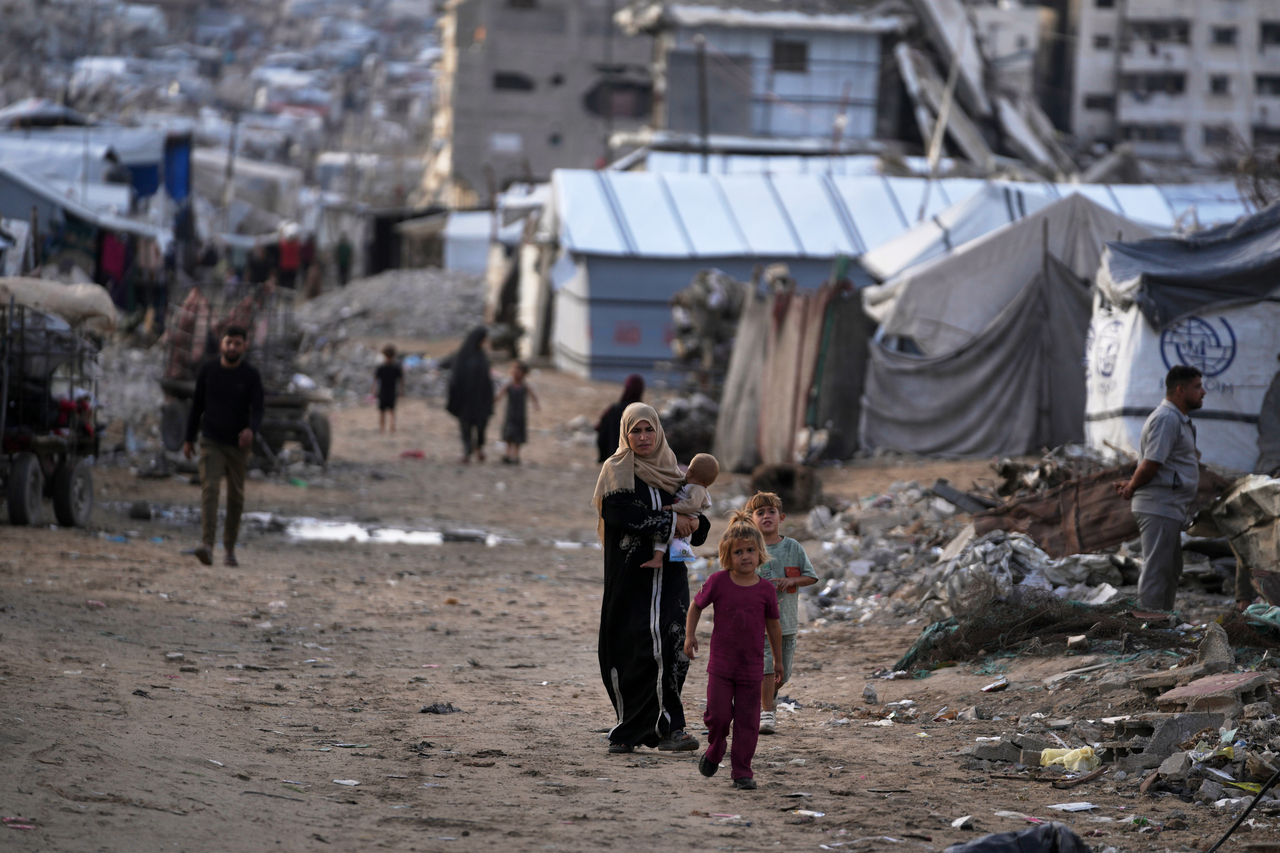
The cuts come as winter approaches Gaza. According to the WFP, about 1.4 million people — roughly two-thirds of Gaza's population — are experiencing food insecurity at crisis level or above. Nearly all of the territory's 2.1 million residents have been displaced.
WFP Acting Executive Director Carl Skau visited Gaza on Sunday and described conditions there as "devastating," saying "life has come to a standstill."
While markets have sufficient goods, more than 80 percent of residents are unemployed, leaving most dependent on humanitarian aid to survive.
Israel has maintained strict controls on the entry of goods into Gaza even after reaching a truce with Hamas a year ago.
With the Israeli government classifying cooking gas as a "dual-use" item that could be diverted for military purposes, most displaced families cannot obtain fuel to heat food. Firewood is too expensive, leaving children to gather cardboard boxes and plastic from the streets to bake bread.
dbsdn1110@heraldcorp.com