200 IU of vitamin E cuts ALT levels by 38% in fatty liver patients, trial of 200 finds
16 combined clinical trials also show liver enzyme improvement, but researchers warn against high doses
Effects on liver fibrosis and long-term outcomes remain unknown

'My checkup showed fatty liver — is there anything I can take?'
Fatty liver disease is the most common chronic liver condition. It is estimated to affect between one in five and one in three adults worldwide. Even without heavy drinking, fat can accumulate in the liver in people with obesity, diabetes or high cholesterol. In some cases, the condition progresses to inflammation and fibrosis, a hardening of liver tissue.
The standard approach to treatment is dietary changes and exercise. New drugs for fatty liver inflammation have come to market recently, but concerns have been raised that their high cost makes long-term use difficult.
One supplement that has long been discussed as an alternative is vitamin E. As an antioxidant, it is thought to reduce damage to liver cells.
Most research confirming its effectiveness, however, has used high doses of 800 IU or more per day, raising questions about the safety of prolonged use.
This year, several notable findings from international research have addressed that dosage question.
Even a quarter of the standard dose lowers liver enzyme levels
A research team from nine hospitals, including the Cleveland Clinic, published results in June in the international journal Hepatology from a clinical trial in which 200 fatty liver patients were given vitamin E at varying doses.
Participants had high liver fat content and elevated ALT levels of 60 or above. Their average age was 47.
The research team divided participants into four groups, giving them natural vitamin E at 200 IU, 400 IU or 800 IU per day, or a placebo, for 24 weeks.
ALT levels fell by 38 percent in those who took 200 IU, and by 36 percent in those who took 400 IU and 800 IU respectively. Those who took the placebo saw a 12 percent reduction.
Those taking the lowest dose of vitamin E, in other words, saw liver enzyme levels drop by roughly the same amount as those taking much higher doses.
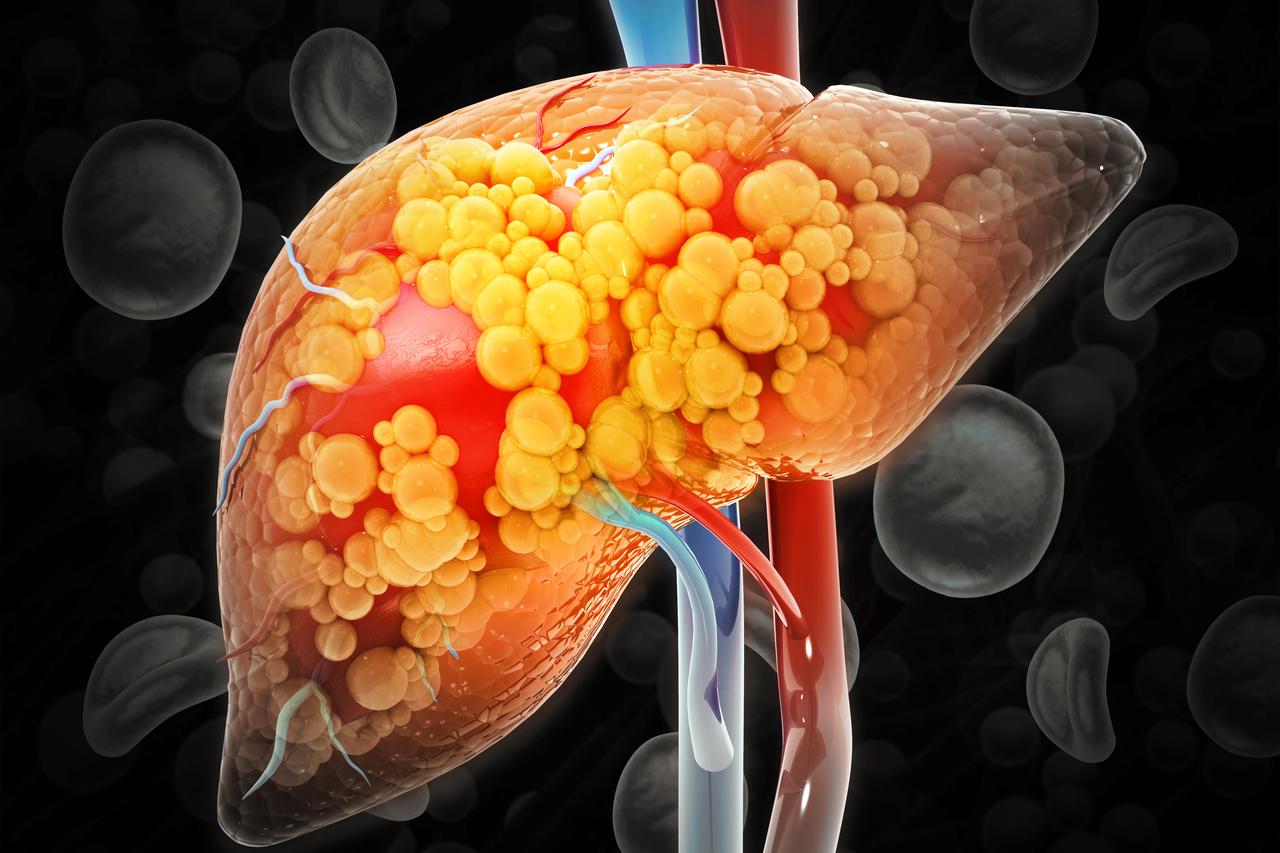
More participants in the vitamin E groups also saw their ALT return to the normal range. Among those who took 200 IU, 49 percent reached normal levels, as did 50 percent of those who took 800 IU, compared with just 22 percent in the placebo group.
When participants were monitored for 24 weeks after stopping the supplement, those who had taken vitamin E maintained ALT levels lower than at the start of the trial. Side effects were no different from those in the placebo group.
In the paper, the research team said the findings "challenge the conventional wisdom that doses above 800 IU are necessary for a therapeutic effect."
However, the research team said it was too early to conclude from these results alone that 200 IU is as effective as 800 IU.
Benefits confirmed, but high doses should be avoided
The finding that vitamin E lowers liver enzyme levels has been confirmed by other research as well.
A research team from Shahid Beheshti University of Medical Sciences in Iran and other institutions published results in June in the international journal Nutrition & Metabolism, combining data from 16 clinical trials involving fatty liver patients.
Participants who took vitamin E saw significant reductions across all four liver enzyme markers measured, including ALT. The effect was more pronounced in those who took it for more than 12 weeks and in those with obesity.
The research team also warned, citing existing analyses, that high-dose vitamin E of 400 IU or more per day should be avoided because it may increase the risk of death.
The same team had earlier published a separate analysis in May in the international journal Lipids, pooling data from 12 clinical trials involving 1,166 participants, finding that vitamin E lowered triglyceride levels in fatty liver patients. The reduction was greater when taken at relatively lower doses over a longer period.
Improved liver enzyme levels do not necessarily mean fatty liver disease has been cured.
The Iranian research team said the available evidence makes it difficult to determine what effect vitamin E has on the progression of liver fibrosis or on long-term liver health.
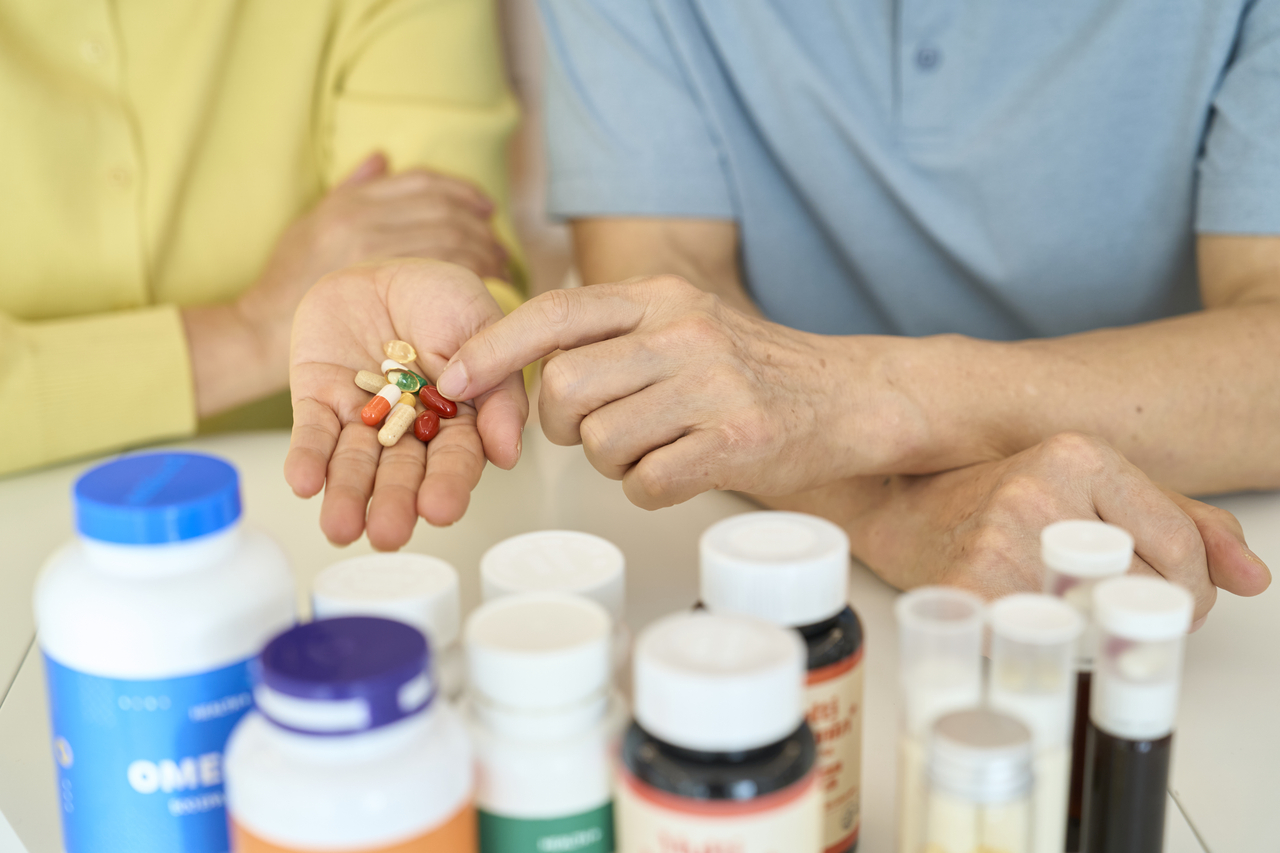
Natural vs. synthetic form also matters
The vitamin E used in the US clinical trial was the natural form, d-alpha-tocopherol.
The US research team noted that many products on the market contain the synthetic form, dl-alpha-tocopherol, which may be metabolized differently in the body, and said it remains unknown whether the synthetic form would produce the same effects.
The US research team excluded from the trial people taking blood thinners, those at risk of bleeding, and men at high risk of prostate cancer.
Both research teams also said vitamin E cannot replace dietary changes and exercise, and should be used only as a supplementary measure alongside them.
Reference papers
DOI: 10.1097/HEP.0000000000001797
Dasarathy S, Mitchell EP, Wilson LA, et al. Vitamin E dosing study (VEDS) in patients with metabolic dysfunction-associated steatotic liver disease with elevated aminotransferases: a multicenter, randomized, placebo-controlled trial. Hepatology. Published online June 9, 2026.
DOI: 10.1186/s12986-026-01158-5
Karimi M, Abidi M, Gholamian R, et al. Vitamin E administration reduces liver enzyme levels in patients with metabolic dysfunction-associated steatotic liver disease (MASLD): evidence from a systematic review and meta-analysis. Nutr Metab (Lond). 2026;23:105.
DOI: 10.1002/lipd.70042
Karimi M, Abidi M, Aghaei A, et al. Efficacy of vitamin E on lipid profile in patients with metabolic dysfunction-associated steatotic liver disease (MASLD): a systematic review and meta-analysis. Lipids. Published online May 6, 2026.
dbsdn1110@heraldcorp.com