Gaps remain over staffing, working conditions
Rush-hour service to run at full capacity even during strike
2,231 replacement workers to be deployed across 7 divisions
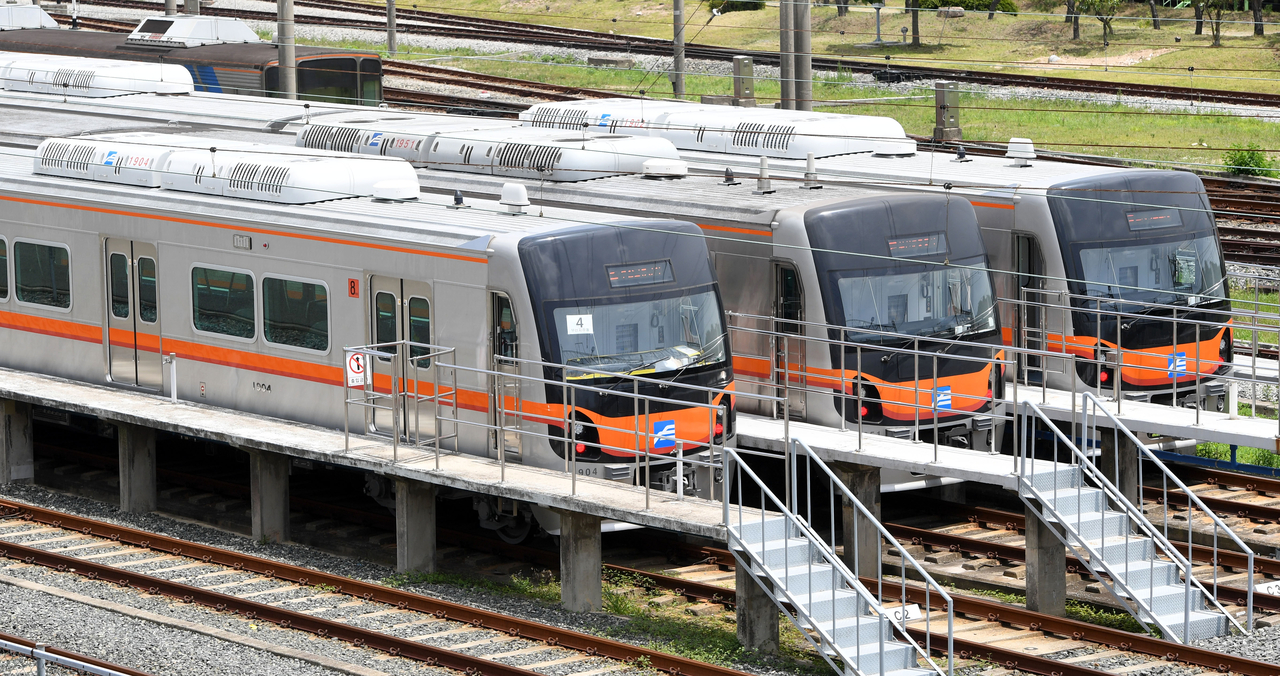
Busan Transportation Corporation announced Thursday it has activated emergency operations as its union prepares to strike beginning with the first train Friday.
The company and the union have held 18 rounds of negotiations since May but have failed to narrow differences on key issues, including staffing increases and improved working conditions for public-service workers, with a final round of talks still scheduled for Thursday.
The union is demanding a 3.5 percent wage increase, the addition of 328 safety personnel — including staff for the Line 2 extension — and 34 more public-service workers, along with improvements to the pay structure for public-service employees.
Management is also reviewing a 3.5 percent raise, the maximum allowed under government guidelines, meaning the two sides are not far apart on wages. However, the company says a large-scale hiring expansion is not feasible given a fiscal deficit exceeding 500 billion won ($377 million) and the need to operate efficiently.
The corporation activated an emergency response headquarters Thursday afternoon. It has drawn up contingency transport plans covering train scheduling and safety management, and says it will mobilize all available resources to minimize disruption to commuters during any strike.
Even if a strike goes ahead, the corporation said it plans to maintain train operations at 75 percent of normal capacity to avoid significant service disruptions. Rush-hour service — from 7:30 to 9 a.m. and 5:30 to 7:30 p.m. — will run at full capacity on all lines, while service on Lines 1 through 3 will be reduced to as low as 58 percent during off-peak hours. The driverless light-rail Line 4 will operate at full capacity regardless of the time of day.
To support that plan, the company will deploy the maximum number of replacement workers: 1,305 essential personnel across seven divisions — including train operation, traffic control, vehicle maintenance, electrical, signals, communications and track — along with 490 in-house staff and 436 external support workers, for a total of 2,231, equivalent to 44.5 percent of the current workforce.
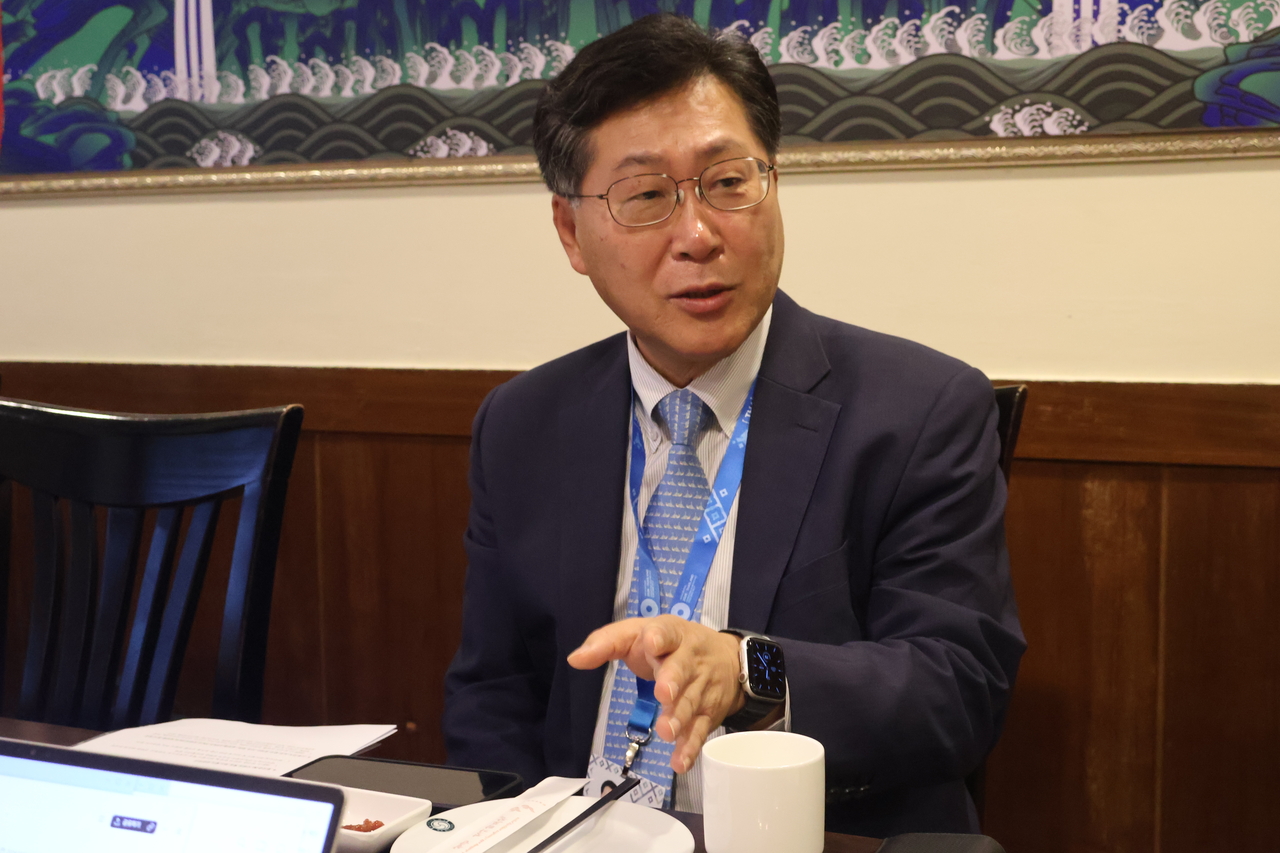
Newly appointed President Kim Tae-ho said stable metro operations remain the top priority under any circumstances. "I will engage in negotiations responsibly until the very end and work to reach a swift agreement," he said. Kim added that even if talks break down and a strike proceeds, rush-hour trains will run at full capacity under the emergency transport plan, and urged commuters to check train schedules in advance for off-peak hours.
kaf2002@heraldcorp.com