Final national audit session Friday to focus on exam cheating, proctor protections and system outage follow-up
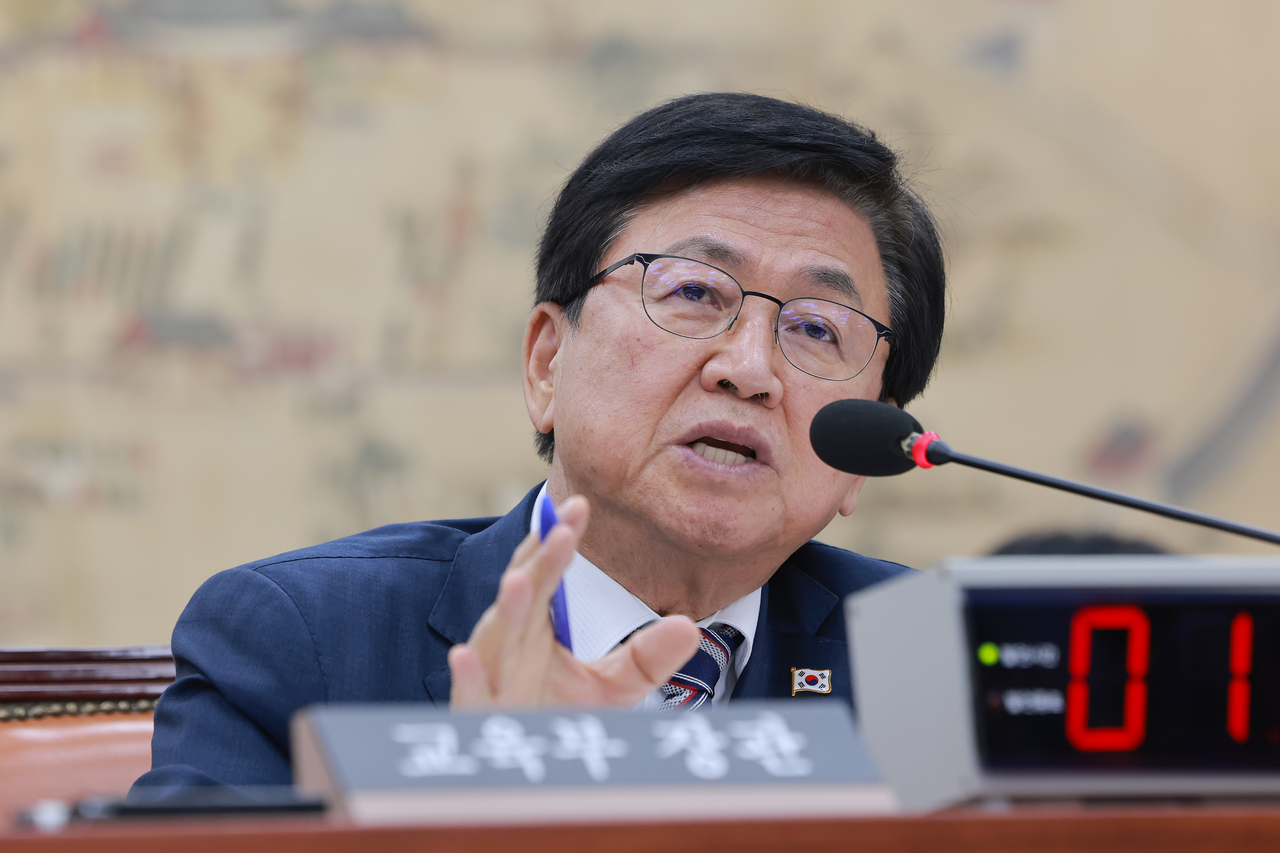
The Ministry of Education's response to cheating with AI-enabled smart glasses and the breakdown of the college application system during the early admissions round will be the central issues at the National Assembly Education Committee's final comprehensive audit session.
Concerns are mounting among College Scholastic Ability Test proctors, who are responsible for identifying smart glasses in exam rooms, and lawmakers are expected to press the ministry on how it plans to secure the stability of the application system before the regular admissions round opens.
The Education Committee will hold its final comprehensive audit of the Ministry of Education, the National Education Commission and other agencies on Friday. It marks the last session of this year's education committee national audit, which began Oct. 7.
The issue of AI glasses cheating has come to the fore following a string of incidents at university-administered entrance exams. Test-takers wearing smart glasses were caught at essay exams at the University of Seoul on Oct. 3 and at Yonsei University on Oct. 10. Whether the same type of cheating can be prevented at the CSAT, scheduled for Nov. 19, is now a pressing concern.
The Ministry of Education has distributed video guides and reference materials to help proctors identify the key features of smart glasses. Under the guidelines, if a test-taker is suspected of wearing smart glasses before an exam begins, proctors are to ask the person to remove the glasses and place them on the desk for inspection. If a determination is difficult, they are to consult with other proctors or the exam management headquarters. If a suspected case arises during the exam, proctors are instructed to wait until the session ends and answer sheets are collected before conducting a check.
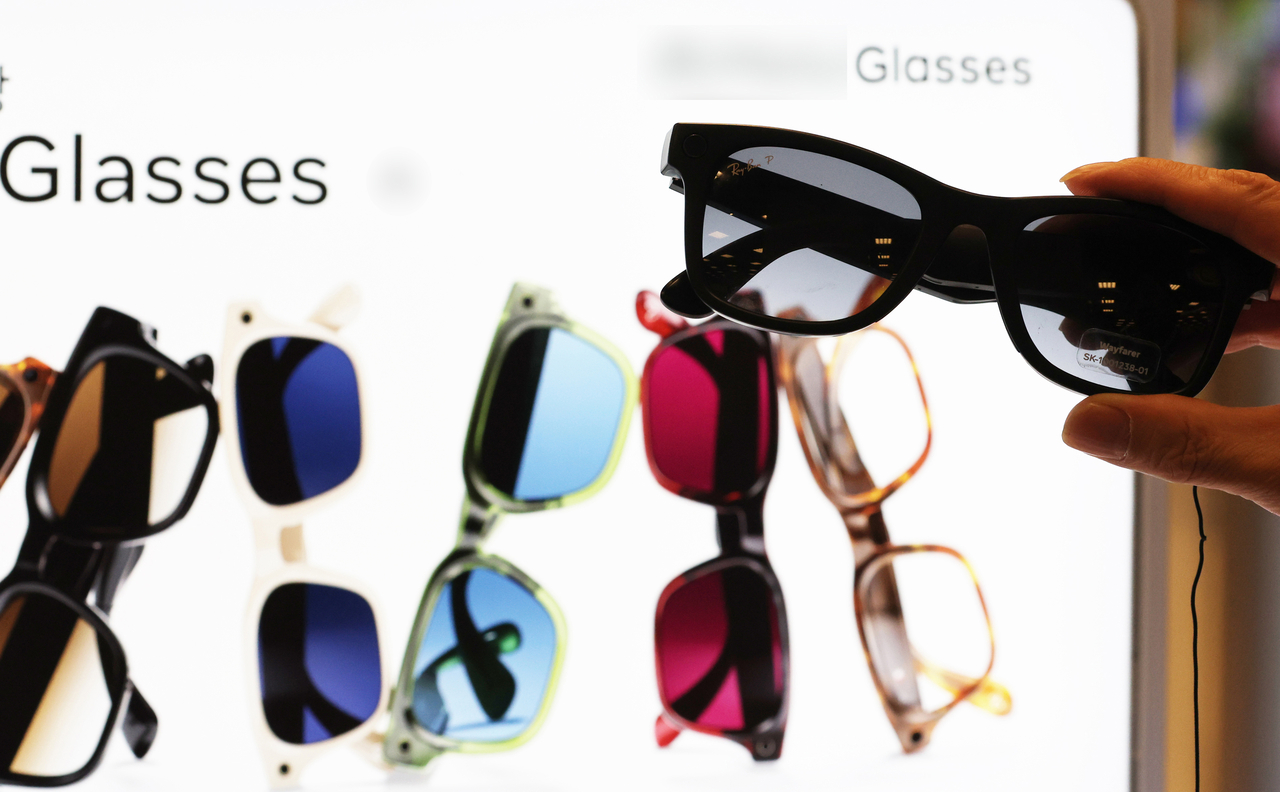
Teachers' organizations are calling for clear identification standards, a professional verification system and measures to protect proctors. Their concerns center on the risk of receiving complaints from test-takers whose ordinary glasses were inspected, and the burden of being held responsible if a cheating incident goes undetected. Whether the Ministry of Education will announce additional identification support and a dispute-response framework is expected to be a key point of contention at the comprehensive audit.
The investigation into last month's college application system outage and the follow-up measures taken since are also on the agenda. At the Oct. 12 audit session, Uwayapply CEO Seong Yun-seok said the company had changed the server operating system without conducting prior testing on the connected servers.
The supervisory responsibilities of the Ministry of Education and the Korean Council for University Education had also come under scrutiny at earlier audit sessions. Lawmakers discussed whether the response at the time of the outage was adequate and how to reform a system that relies on a private contractor. KCUE President Lee Ki-jung said the council would review not only whether to shift to a public system but also focus on system stability and accountability for outage response.
The Ministry of Education plans to revise its response manual and address contractual shortcomings before the regular admissions round opens, with an improvement plan to be finalized by November. The comprehensive audit is expected to produce specific proposals on the status of the outage investigation, system verification and stronger oversight of the private contractor.
brunch@heraldcorp.com