We see the world through food. Welcome to Midam — delicious stories. The day humans first held fire, the first chef was born. For more than a million years, they have woven culture into cuisine. These are the stories of the oldest artists in the pursuit of gastronomy: the chefs.
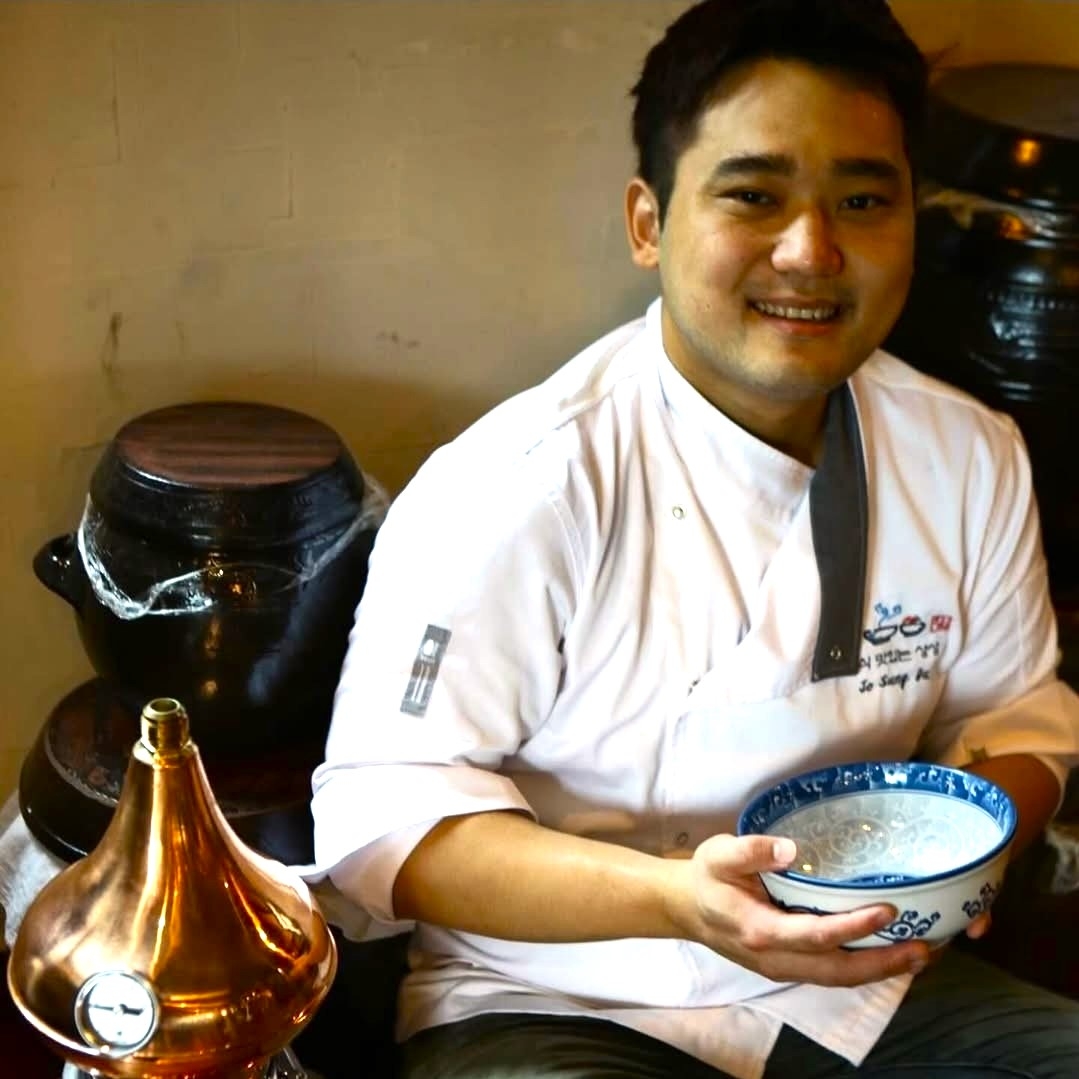
Interview with Eolssu Bistro chef Jo Seong-ju
Travels the country in search of exceptional Korean drinks
'We need openness and a willingness to try new things'
"Korean drinks need to fail more. Now is the time for that."
When people talk about Korean gastronomy, one area still draws a note of disappointment: alcohol. In a landscape where diluted soju in a green bottle stands as the face of Korean drinking culture, finding a Korean drink worth savoring alongside a meal remains no easy task.
For a long time, alcohol here was treated as a means to get drunk rather than something to enjoy for its taste, aroma, history and culture. Asking the world to recognize Korean drinks now, without having first built that culture at home, may be getting things in the wrong order. If the goal is to win over palates around the world, the foundation has to come first — a culture of making and appreciating Korean drinks properly.
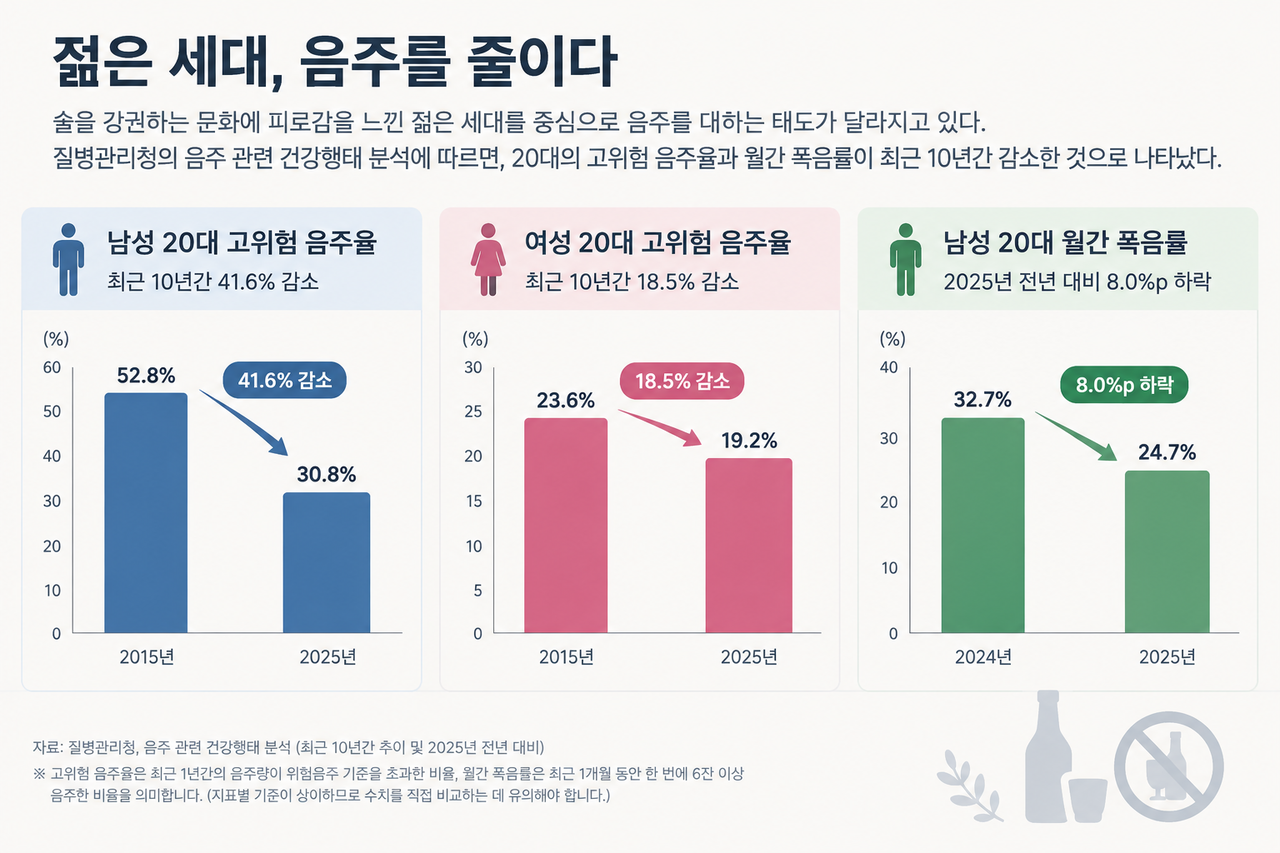
Signs of change are emerging. Younger generations, worn down by a culture of pressured drinking, are cutting back on alcohol altogether. According to a drinking behavior analysis by the Korea Disease Control and Prevention Agency, the high-risk drinking rate among men in their 20s fell 41.6 percent over the past decade. Among women in the same age group, it dropped 18.5 percent over the same period. The monthly binge-drinking rate for men in their 20s also fell 8.0 percentage points in 2025 from the previous year.
This shift does not have to be seen purely as a crisis. The weakening of a binge-drinking culture is precisely the opening for a move toward enjoying alcohol for its flavor rather than its volume. A growing number of consumers seek out quality drinks even when having just one glass, paying attention to the region, ingredients and brewing method behind what they drink. Alcohol is beginning to be seen not as a vehicle for intoxication but as an object of culinary appreciation.
The culinary world is also stirring. The movement is showing up not at large liquor companies but at small breweries and in the hands of those out in the field discovering new drinks. Some are reviving broken lines of traditional brewing; others are experimenting with new techniques or blending foreign methods with Korean ingredients and sensibility. The directions differ, but the goal is the same: to create Korean drinks that appeal both to today's consumers and to food lovers around the world.
A chef who scours the country in search of great Korean drinks
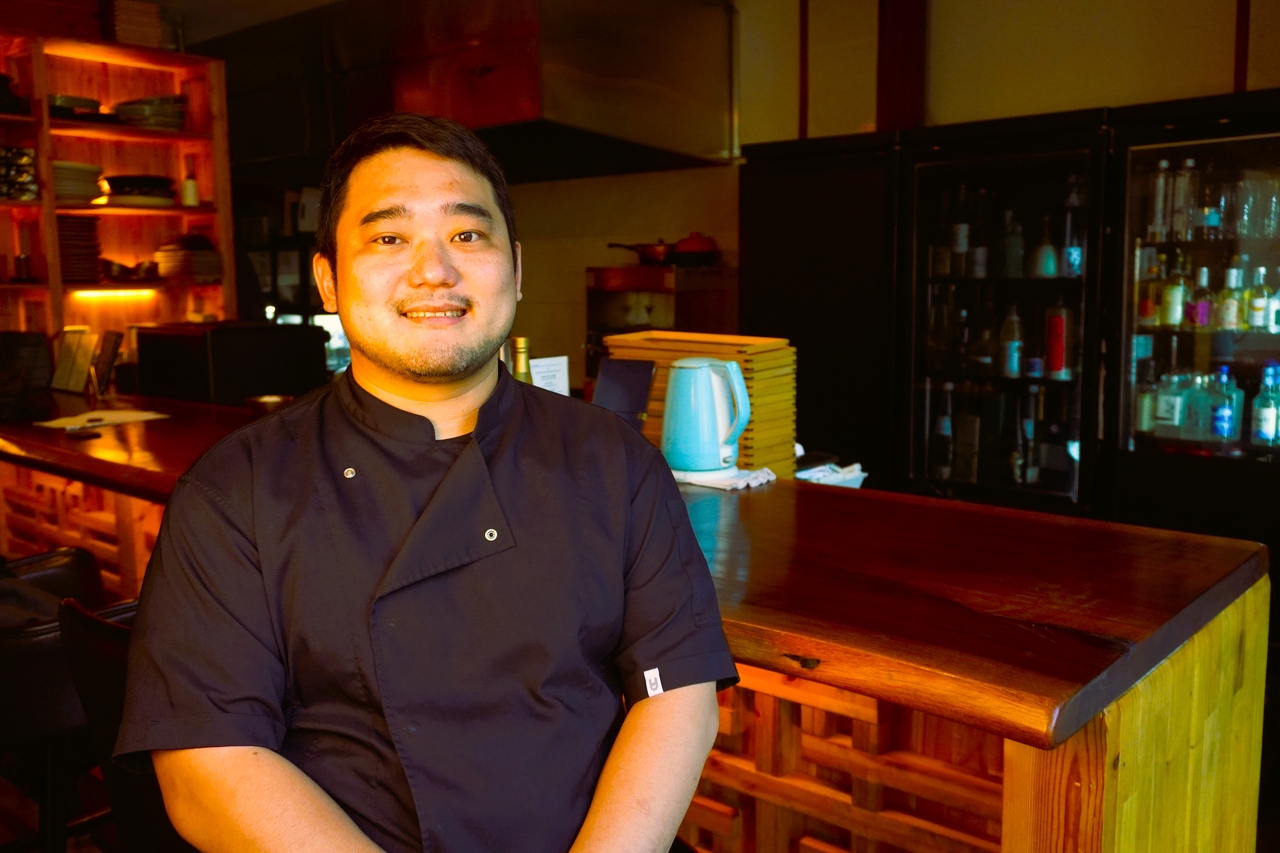
Jo Seong-ju, chef at Eolssu Bistro in Yeouido, is at the center of that movement. His role is to find exceptional Korean drinks and bring them to wider attention. Like a music producer who discovers talented artists and turns them into stars, Jo travels across the country seeking out drinks that have yet to find a broad audience — from mountain villages in Gangwon Province to Jeju Island. The drinks he uncovers come together with his cooking and take the stage as part of a full gastronomic experience.
"If there was good liquor to be found, there was nowhere I wouldn't go. I walked into a Buddhist temple to track down Songhwa Ilbaekju brewed by monks, and I once trekked deep into the mountains chasing a drink known only through word of mouth, only to be turned away at the door. Going through all of that is probably why I'm now able to work alongside the masters and experts who are keeping traditional brewing alive."
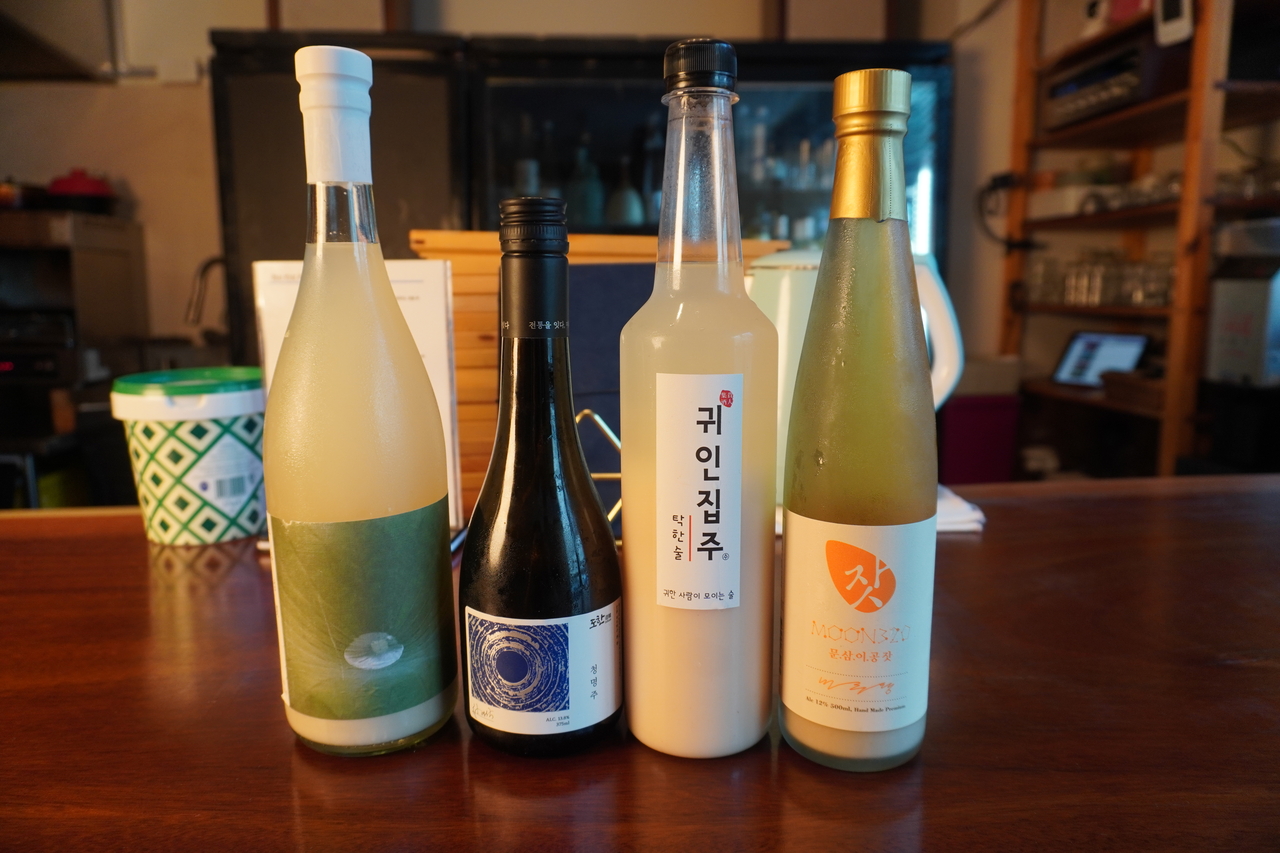
The growing interest in Korean drinks is welcome news. As the global popularity of Korean culture intersects with the efforts of the culinary world, opportunities to introduce Korean drinks abroad are expanding. According to data from the Korea Agro-Fisheries and Food Trade Corporation, exports of traditional Korean liquor rose about 60.3 percent, from $14.97 million in 2019 to $24 million in 2024.
Yet Jo argues that this is precisely the moment when Korean drinks need to experience failure. Failure only carries meaning when there is genuine ambition behind it. Without a clear sense of what needs to change and how far one wants to go, repeated setbacks amount to little more than trial and error. His view is that if Korean drinks are to stand alongside the world's finest, they cannot stay within familiar methods — they must constantly test new possibilities.
"Korean drinks need to fail a lot more. We are still at the beginning, and this is a time when countless attempts must be made. Attempts come with failure. It is through trying many things, failing, and sometimes receiving good feedback that we can inch our way toward success."
Don't get trapped in tradition — embrace diversity and openness, and keep experimenting
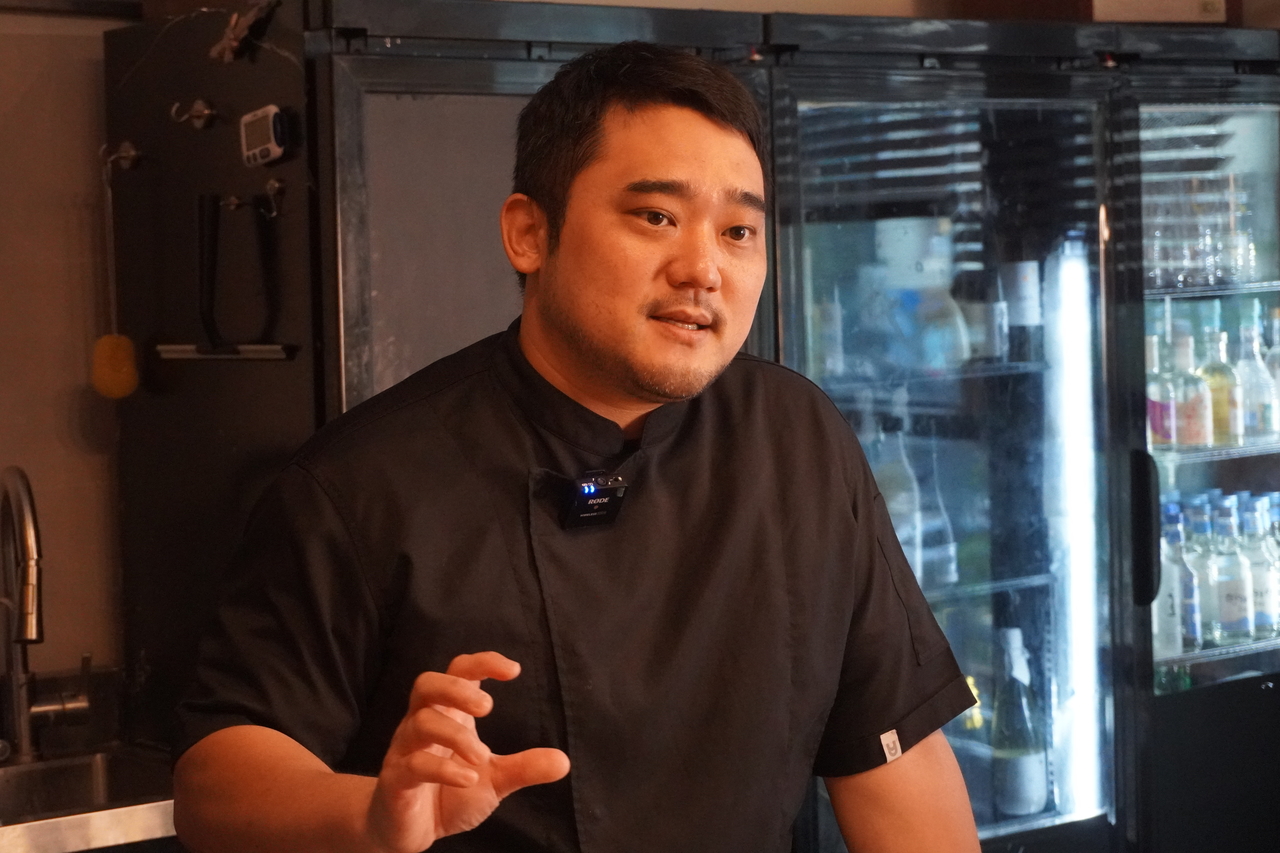
In the past, advancing Korean drinks largely meant restoring traditional recipes that had fallen out of practice. That picture is changing. There is now growing activity around adopting foreign brewing techniques and combining them with Korean ingredients and sensibility to create something new. Jo views these developments positively.
"To reach the standards of world-class gastronomy, I think we need to go beyond tradition and develop new drinks while also studying culinary trends. Recently there has been more collaboration with German brewing specialists and Japanese sake experts. Large-scale brewing facilities are also gradually increasing. If these changes continue to take root, I think Korean drinks could close the gap with the world's best quite quickly."
Jo did not set out from the outset with cooking and drink as his calling. He once worked as a mathematics tutor. He started because he enjoyed teaching children, but the reality did not match what he had envisioned. It was during a period of searching for what he truly loved that traditional Korean liquor took hold of him. He had been drawn to alcohol since childhood, but the more he studied and researched it, the deeper its appeal grew.
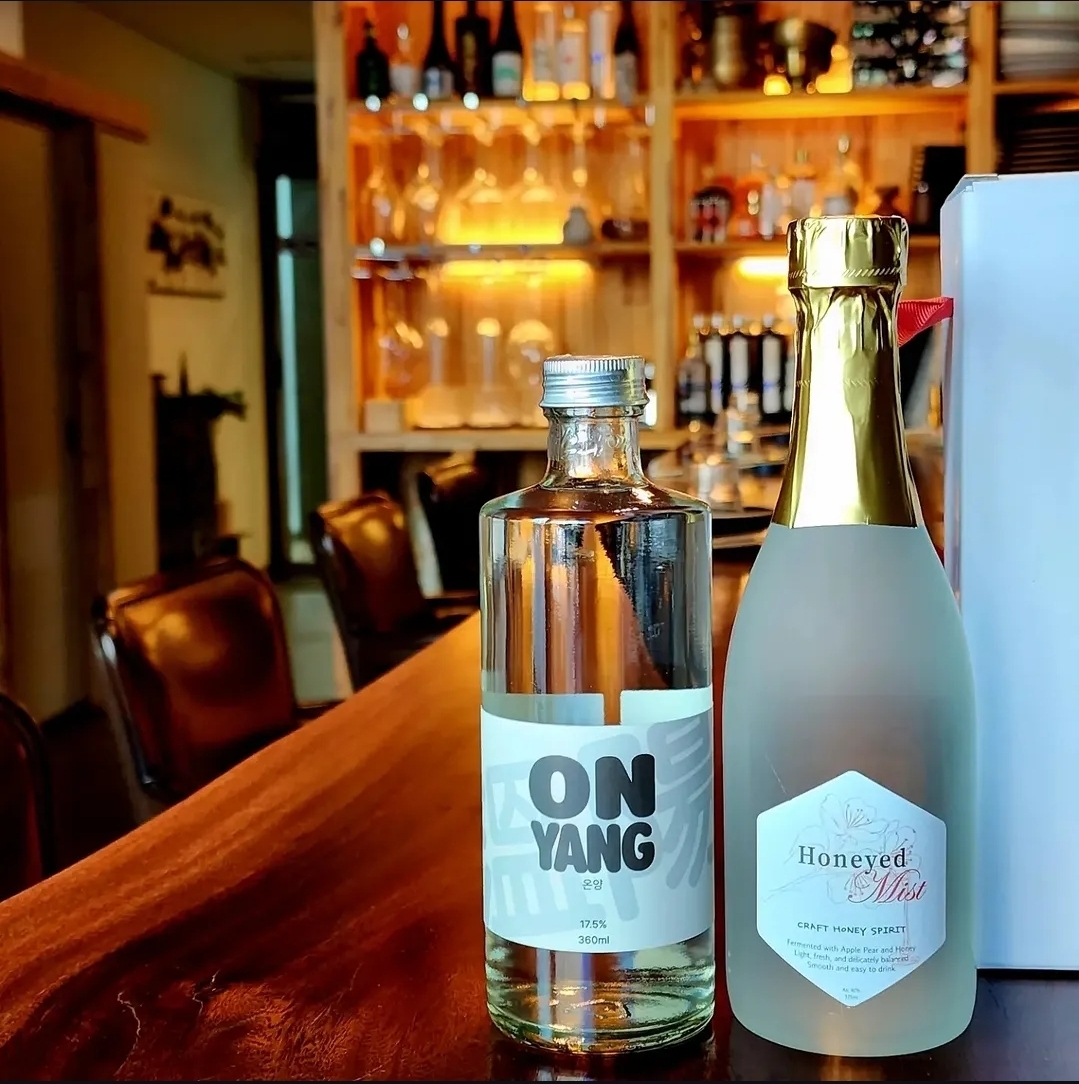
What particularly fascinated him was how a drink could change. Even when brewed the same way, the flavor shifted with the season, the weather and the fermentation environment. Some batches had a pronounced acidity; others carried a strong aroma of nuruk, the fermentation starter.
"What I found compelling about traditional Korean liquor was that the taste changes subtly depending on external variables like the season or the weather. A drink made in one season might have high acidity, while one made on a different day might carry a stronger nuruk aroma. Looked at another way, that means there is still room to develop the skill of fine-tuning flavor according to external conditions. Right now I'm trying to gradually address those variations while not losing the drink's essential character."
Jo's seasonal Korean cuisine meets traditional liquor, and gastronomy blooms
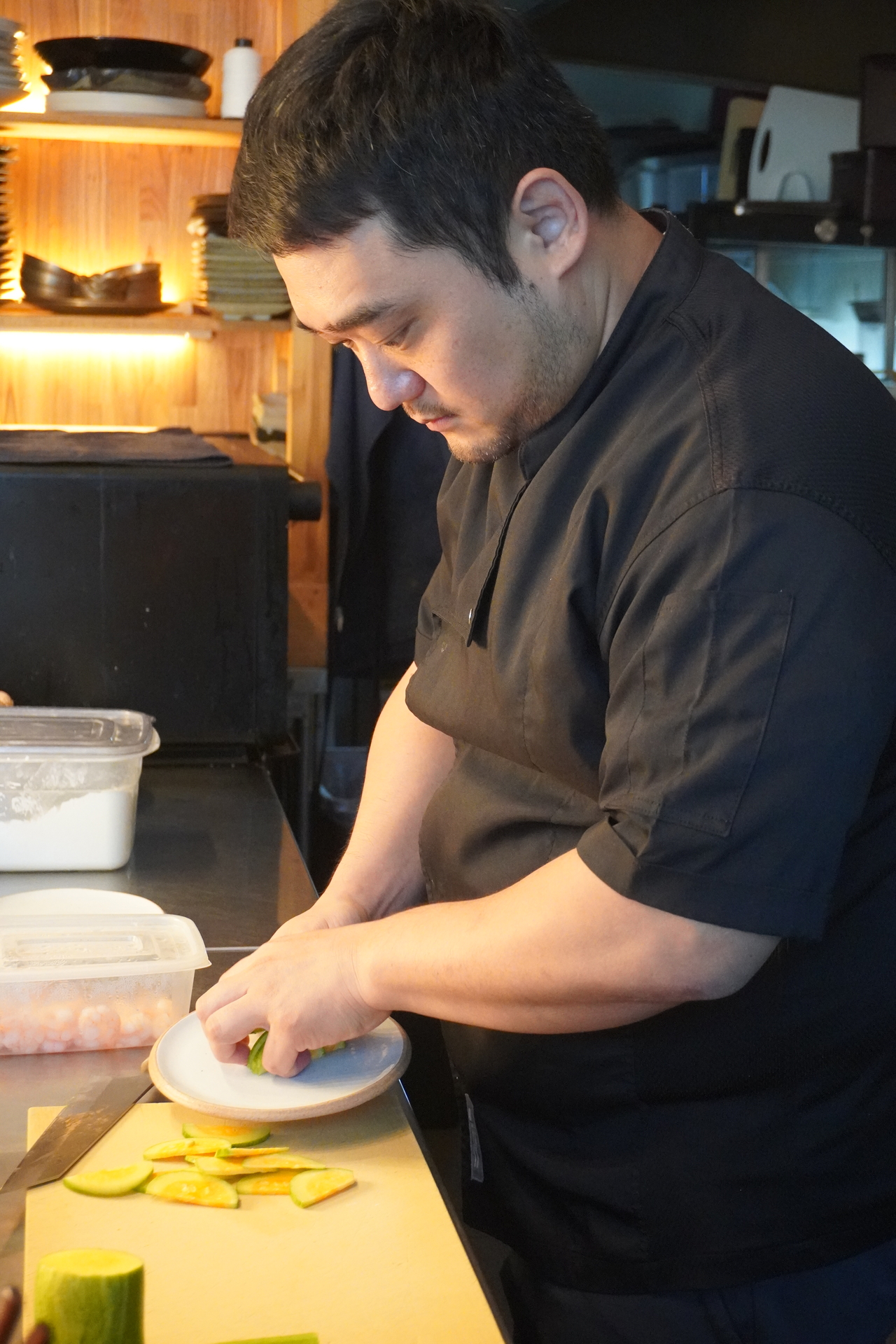
Jo's interests do not stop at drink. For nine years he has been studying seasonal ceremonial food under Lee Mal-sun, an adviser to the Korean Traditional Food Research Society, in search of dishes that pair well with Korean liquor. He interprets hansik through a refined sensibility suited to a modern drinking table, and he does not hesitate to draw on French techniques or contemporary cooking equipment. His one firm principle, however, is that no matter what new technology he uses, the identity of hansik must remain at the heart of the food.
"I cook traditional aristocratic Korean cuisine reinterpreted for a modern context. What I consider most important is the seasonal cycle. I try to capture the feeling of each season through ingredients, flavors and seasonal customs that reflect that time of year. The harmony with Korean liquor is also a very important dimension of flavor. I'm always thinking about which foods pair well with Korean drinks."
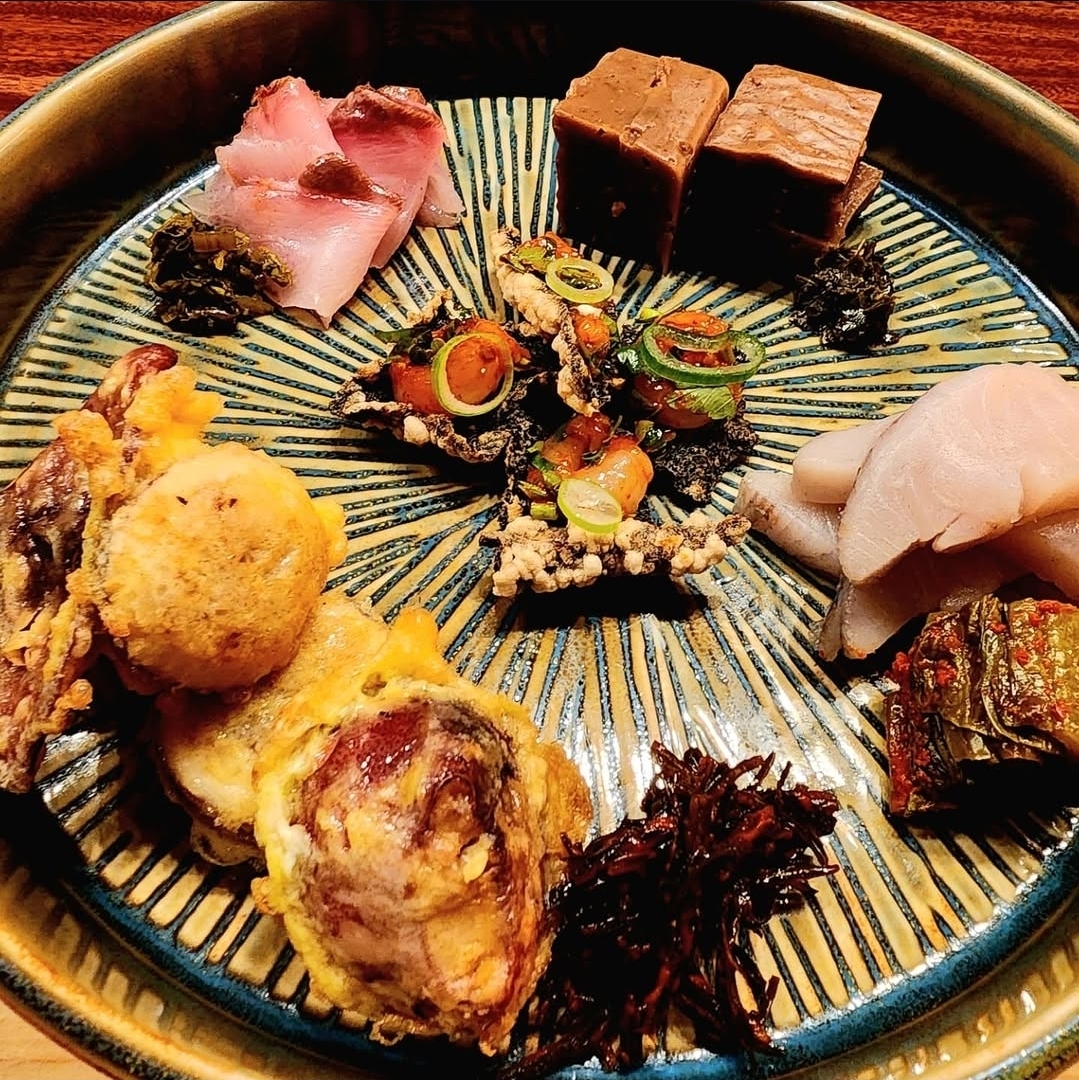
His approach of mastering traditional principles while searching for new forms of expression connects directly to how he thinks about Korean drinks. Reviving old recipes matters, but so does embracing new technology, experimenting with brewing methods from other cultures, and charting a direction for Korean drinks to move toward. Preserving tradition, in his view, is not about staying fixed in the past — it is about continually translating the principles embedded in that tradition into a language that speaks to the present.
Eolssu Bistro, which opened in 2014, is the space where these ideas take shape through food and drink. The kitchen follows the rhythm of the seasonal calendar, preparing traditional aristocratic dishes with ingredients at their peak, and carefully balancing each dish so it harmonizes with a Korean drink. Alcohol is not treated as a side note to the meal but as one of the pillars that completes the experience at the table. The drinks Jo has unearthed from breweries across the country find their full expression here, alongside his cooking.
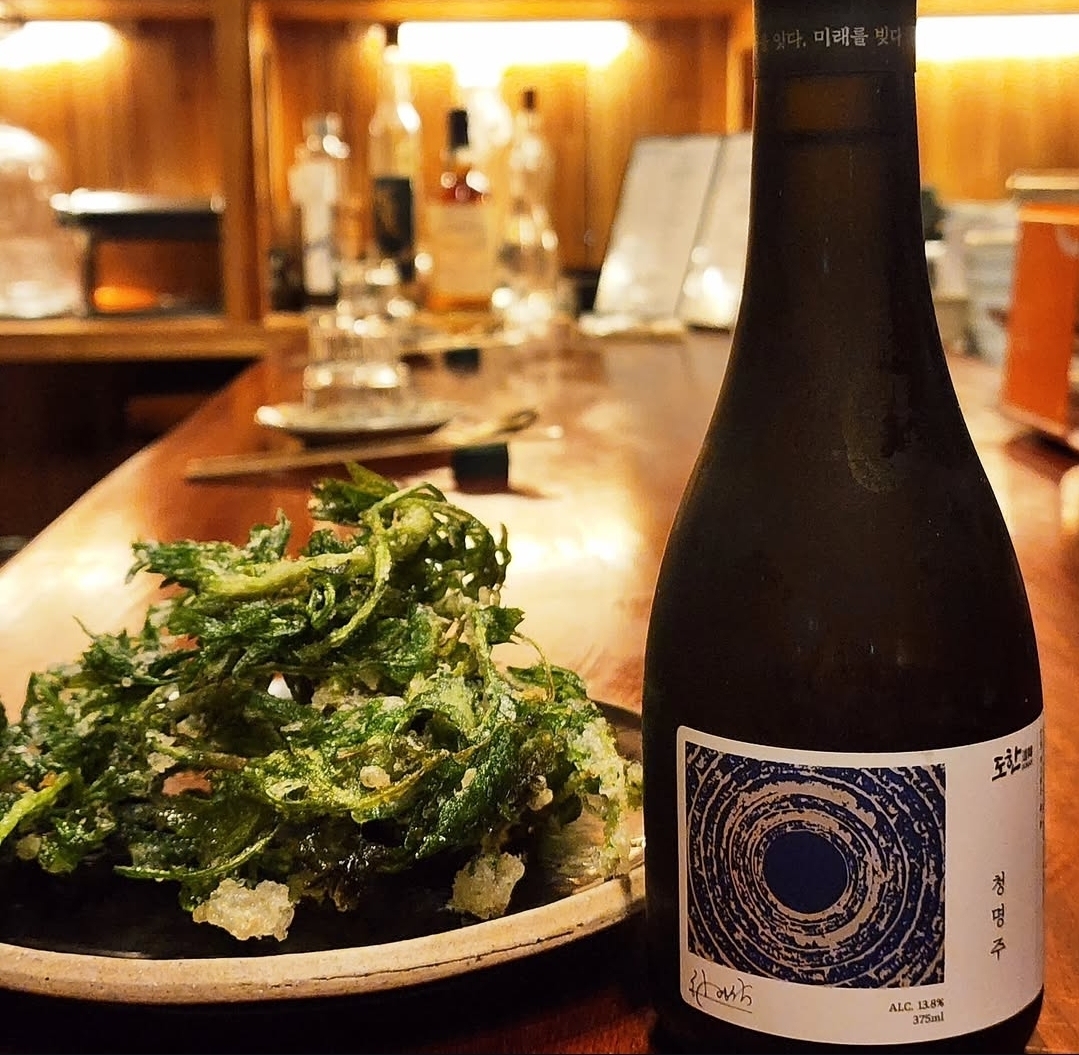
Korean drinks still have a long road ahead before they earn a place at tables around the world. Rising export figures and the popularity of Korean culture can signal the potential, but they alone do not produce a world-class drink. What is needed is a process of testing unfamiliar ingredients, attempting new brewing methods and accepting results that sometimes fall short of what the market expects.
The failure Jo speaks of is not another word for giving up. It is the necessary process of experimentation on the way to making better drinks. For those who want Korean drinks to earn recognition worldwide, the priority now should not be rushing toward success but preparing to absorb failure. The drink that will one day fill glasses around the world may well begin in that very place of failure.
123@heraldcorp.com