We see the world through food. Welcome to Middam, our column on the stories behind what we eat.
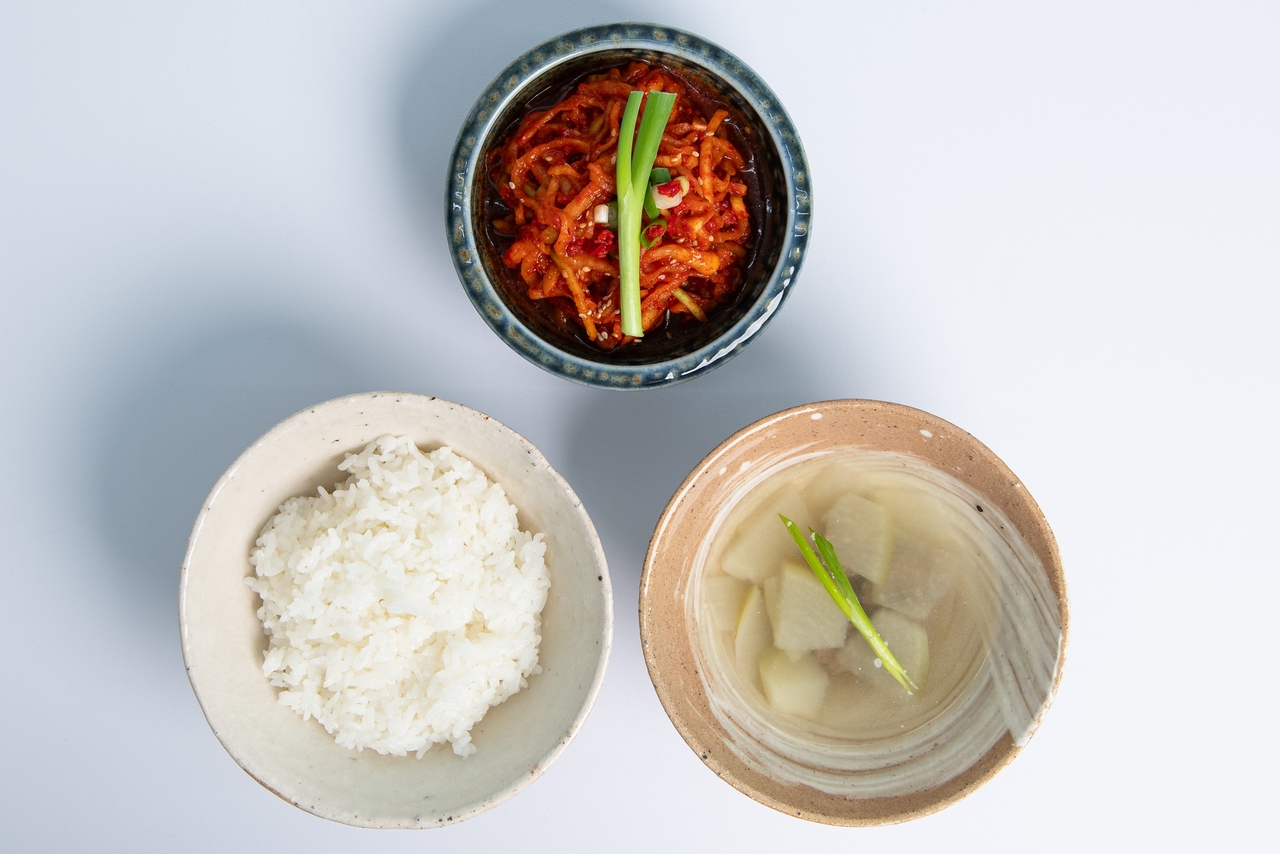
The morning of the College Scholastic Ability Test is a source of intense anxiety for test-takers and their parents alike. Families agonize over what to serve — worrying that the wrong meal could upset a stomach and derail months of preparation, while hoping the right one might sharpen the mind. The result is that some students end up eating unfamiliar foods on exam day, which can backfire. So what should a test-taker actually eat that morning?
Even if nerves have killed the appetite, skipping breakfast is not a good idea. After a night of fasting, the body needs energy to power through morning exams. That said, there is no need to overeat or seek out any special restorative dish.
The key nutrient is carbohydrates. The brain is one of the body's most energy-hungry organs, and its primary fuel is glucose. Carbohydrates found in rice, bread and potatoes are broken down into glucose during digestion and delivered as energy to the brain and other organs. Because the brain remains active even during sleep, breakfast serves as the moment the overnight fast ends and the day's energy supply begins.

Research supports the link between breakfast and cognitive performance. A systematic review published in the journal Advances in Nutrition in 2016 analyzed 45 studies involving children and adolescents. It found that eating breakfast, compared with fasting, can have short-term positive effects on certain cognitive functions — including attention, executive function and memory.
So what is the best breakfast on exam day? The foundation is rice. A moderate serving of plain white rice or the multigrain variety a student normally eats will supply carbohydrates for energy. Students who do not usually eat multigrain rice should not suddenly load their bowl with brown rice or oats: foods high in dietary fiber can cause bloating and gas in some people.
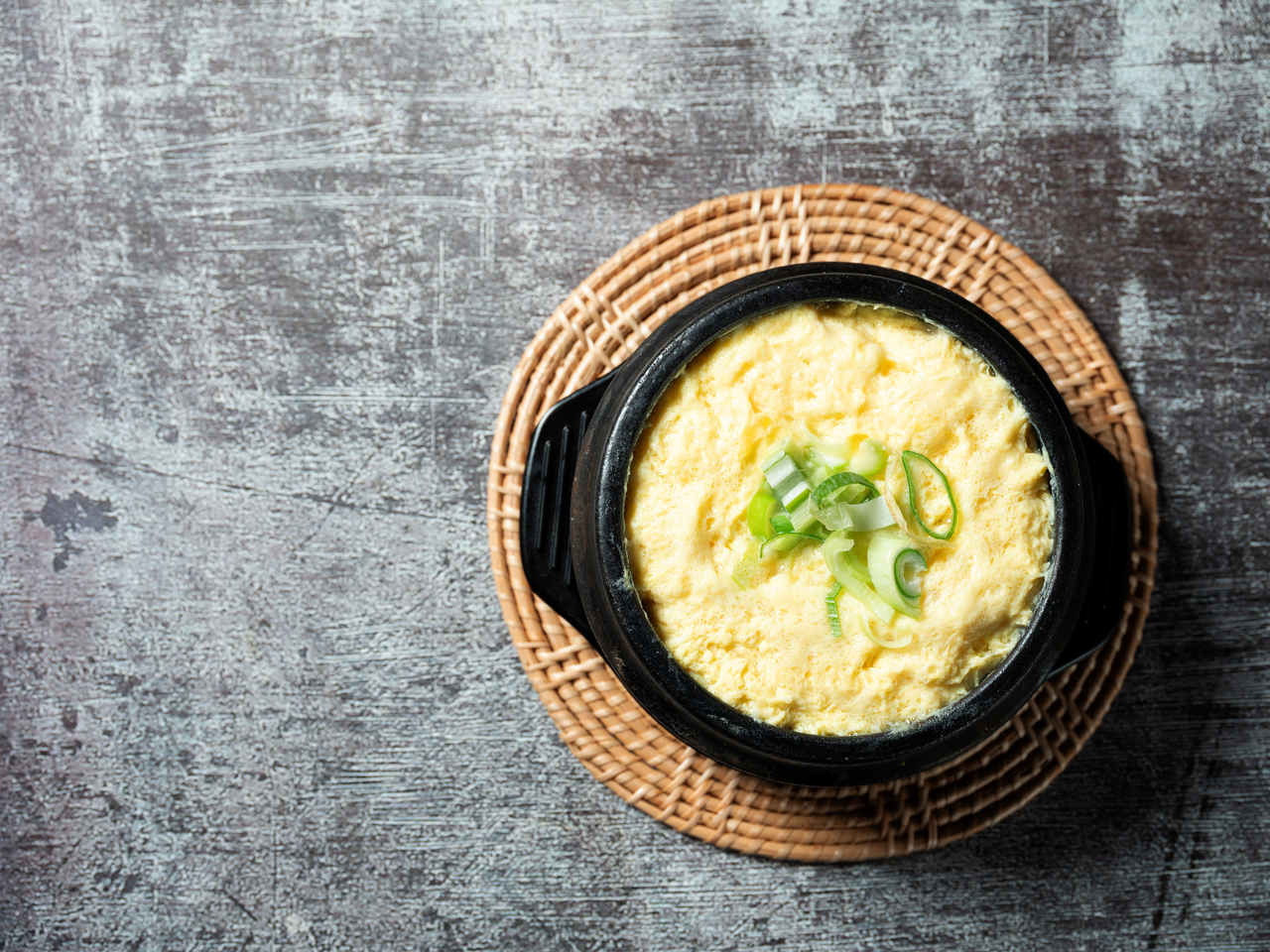
For banchan, steamed egg is a solid choice. Eggs contain protein and choline, a nutrient needed to synthesize acetylcholine — a neurotransmitter involved in neural functions such as memory and learning. Eating eggs will not produce an immediate boost in memory, but steamed egg is easy on the stomach and a convenient way to add protein to the meal.
Tofu is another good option, supplying plant-based protein in a soft, easy-to-eat form. A moderate portion of fish also pairs well with the meal. Oily fish such as mackerel and salmon are rich in the omega-3 fatty acids DHA and EPA, and DHA is a key structural component of brain and nerve tissue.
For soup, a light clear broth or a doenjang soup the student normally eats is preferable to anything heavily seasoned. Overly salty or spicy broths can trigger thirst, and drinking too much liquid risks the need for a bathroom break during the exam — so moderation is wise.

Packing a snack for the breaks between exam sessions is also a good idea. Bananas contain carbohydrates and potassium, making them a convenient energy top-up. Nuts supply unsaturated fatty acids and vitamin E, though their high fat content means a small handful is better than a large portion. Familiar fruits such as tangerines or apples can also work as snacks, as long as the student regularly eats them.
On the other hand, greasy and heavily spiced foods are best avoided. High-fat dishes like pork cutlets and fried chicken can be hard to digest. Students who normally experience stomach pain or diarrhea after drinking milk should steer clear of dairy products. Coffee and energy drinks also warrant caution: excessive caffeine can cause heart palpitations, anxiety and hand tremors. Starting red ginseng, herbal medicine or dietary supplements for the first time on exam day is equally inadvisable.
Above all, the meal should be built around foods the student eats regularly. Unfamiliar foods can cause unexpected digestive discomfort for an already-nervous test-taker. Students who do not normally eat breakfast should resist the urge to force down a full bowl; a small amount of something familiar — rice and egg, for instance — is far better than nothing.
123@heraldcorp.com