'Welfare budgets keep growing, but staffing stays flat — better treatment for civil servants is urgent'
Expanding headcount, clearing promotion backlogs and raising pay top the agenda
'It's heartbreaking to watch young civil servants leave because of heavy workloads and low pay'
Policy and logic over confrontation — 'We will drive real systemic reform'
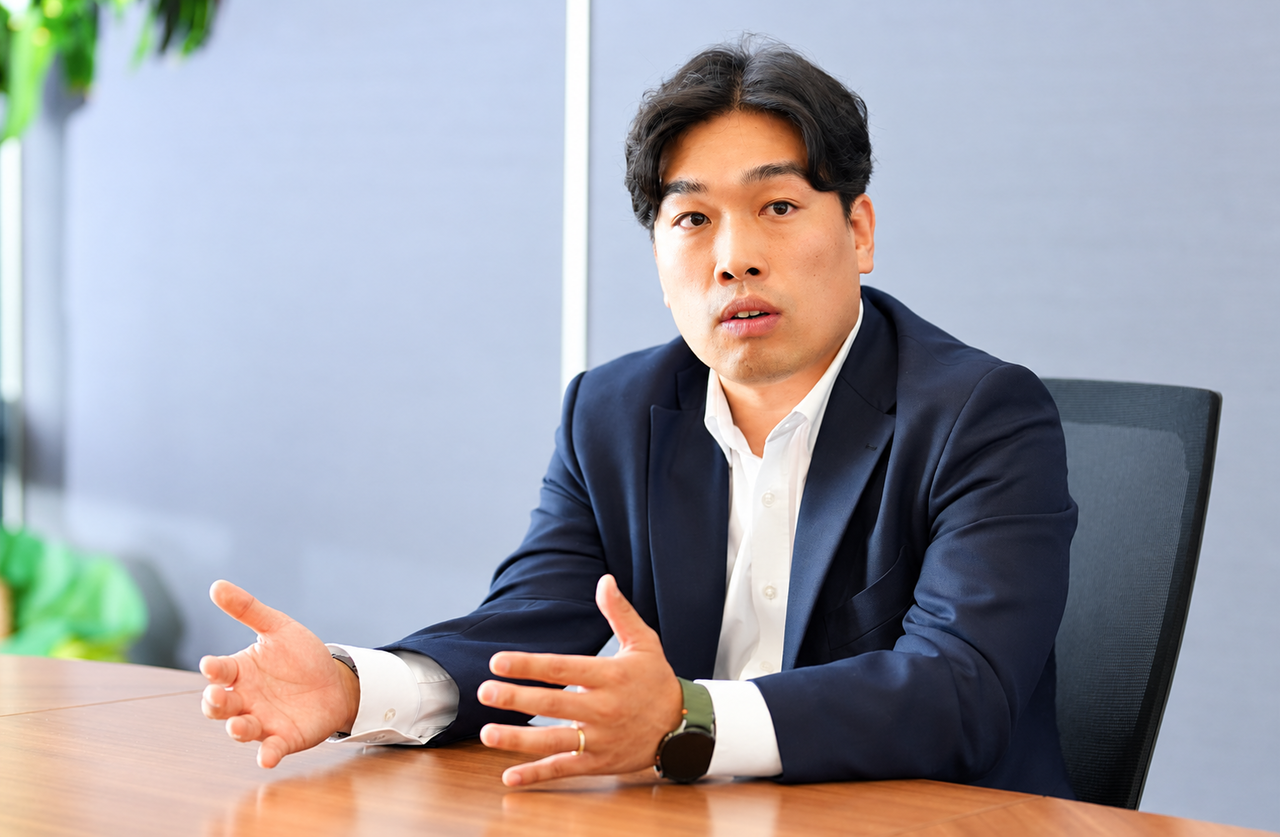
As health and welfare policy expands to cover aging, growing care demands, mental health and suicide prevention, government budgets and administrative workloads are rising fast. Yet the civil servant workforce responsible for designing and implementing those policies has not kept pace, critics say. There are growing calls to fix the structural concentration of work on specific departments and employees, and to overhaul how the public sector manages and compensates its staff.
Jung Seung-moon, chair of the Ministry of Health and Welfare Civil Servants' Union, said in an interview on Friday that expanding the civil servant workforce and improving working conditions are his top priorities for the new term. He outlined plans to translate frontline demands into concrete systemic reforms — clearing promotion backlogs, bringing pay and allowances in line with actual workloads, and building a proper response framework for abusive complaints.
Jung said the union's own role must also change. Rather than relying on rallies and confrontation, he said, he wants to build a union that persuades the government and the National Assembly with objective data and legal arguments, and delivers real policy change.
Welfare administration expands but staffing lags — headcount must reflect actual workload
The most urgent problem Jung identified is a structural shortage of staff. The scope and budget of health and welfare policy keep expanding, he said, but the workforce assigned to carry it out has not grown enough, leaving frontline employees buried in work.
Departments handling major programs such as the national pension and suicide prevention are particularly understaffed relative to their workloads, he said, with excessive work piling onto individual employees.
"The most urgent task is securing the right number of staff — in a way that reflects actual workloads and the specific characteristics of each agency and job category," Jung said. "When health and welfare responsibilities keep growing, there is a limit to how much can be absorbed by the personal dedication of individual civil servants."
Last year the union compared and analyzed workloads across central government ministries and conveyed the case for expanding headcount to the relevant authorities. Some organizational improvements followed, but they have not been enough to ease the staffing crunch on the ground.
Jung said workforce expansion must go hand in hand with better work distribution and streamlined administrative procedures. Keeping civil servants' working conditions stable, he argued, is ultimately the foundation for improving the quality of health and welfare services delivered to the public.
The staffing shortage in the public sector is also tied to the problem of early departures among younger civil servants.
Jung said the trend is visible not only among new recruits but also among staff appointed at the senior administrator level, some of whom are leaving the public service after a relatively short time. Heavy workloads, low pay and limited promotion opportunities are all factors pushing people out, he said.
He said the staffing structure and promotion conditions at each grade need close scrutiny, and unreasonable disparities between agencies and job categories must be addressed. Establishing a pay system that reflects the responsibility, expertise and actual working conditions of each role was also cited as a key task.
To that end, the union plans to expand consultations with the Ministry of Personnel Management and other relevant bodies to ensure that frontline demands translate into real improvements in personnel policy.
Jung also flagged the income gap that opens up between mandatory retirement and the age at which pension payments begin. He said options such as adjusting the retirement age or allowing continued employment after retirement should be explored, with full consideration given to the nature of each role and individual preferences.
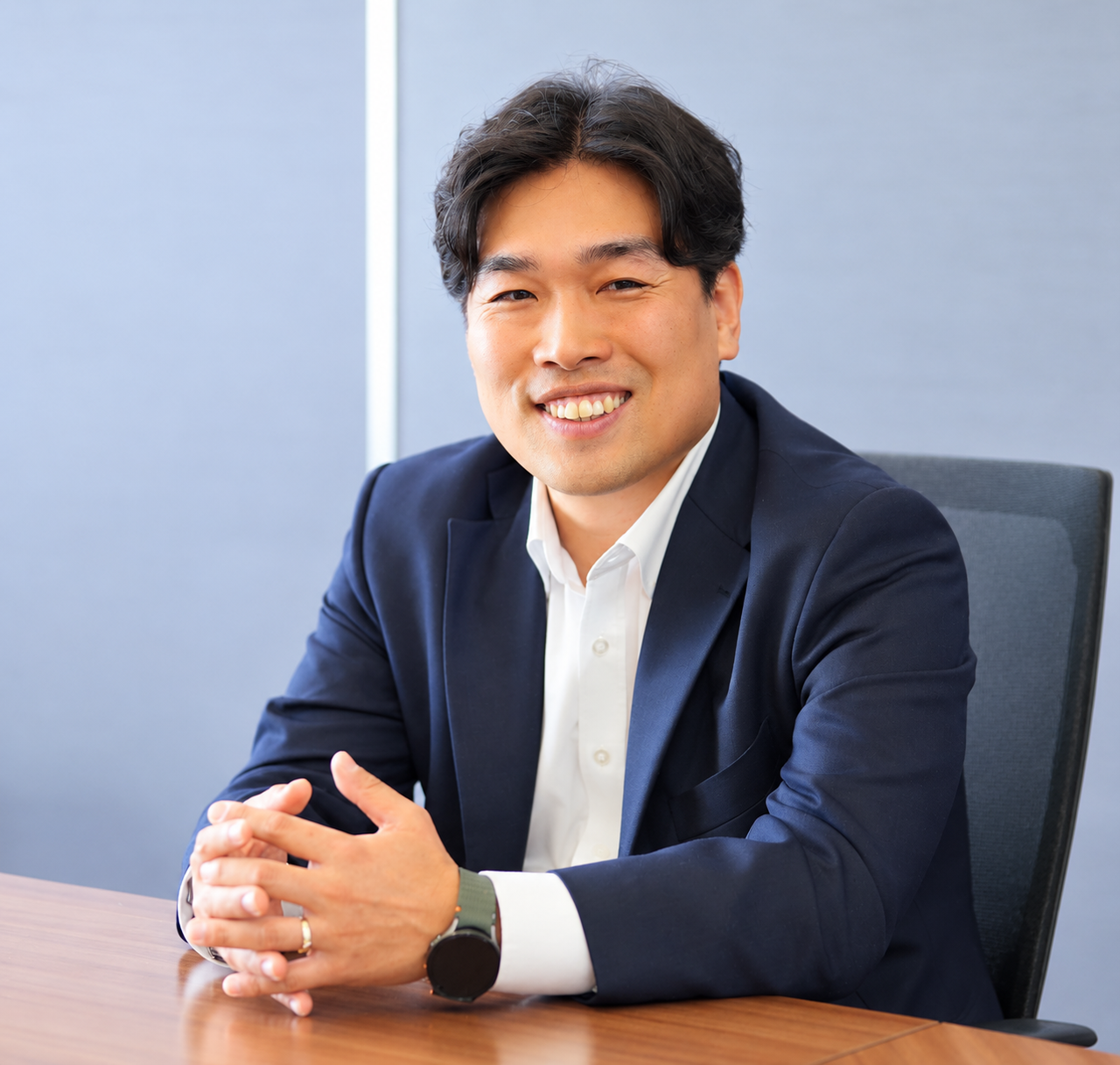
39% report difficulties with National Assembly work — union to step up response to abusive complaints and workplace gapjil
The union also plans to take a more active role in tackling unfair practices and improving the organizational culture that civil servants encounter on the job.
According to Jung, a union survey on National Assembly-related work found that 39 percent of the 83 respondents had experienced difficulties carrying out their duties. The survey also identified inefficient practices such as shouting, personal attacks and being required to wait late at night for written inquiries.
The union plans to push for reasonable standards governing National Assembly work — including delivery of written inquiries within business hours and handling of inquiries received at night through written responses.
Jung also stressed the need to build an institutional response framework to protect civil servants from abusive complaints.
"Friendly public service for citizens must not come at the cost of individual civil servants' personal sacrifice," he said. "When abusive complaints involving verbal abuse or threats arise, clear procedures must be in place so that employees do not have to handle them alone — and legal support and psychological recovery services must be available when needed."
On workplace gapjil and harassment, he said institutional safeguards are needed to protect those who report incidents and to prevent retaliation against anyone who raises a concern.
Jung identified policy- and evidence-based problem-solving as the central direction for running the union in the new term.
The union should go beyond simply conveying members' grievances, he said, and instead develop rational alternatives that relevant authorities can accept — backed by workload analysis, legal review and objective data.
Staffing shortages and pay issues in particular must be approached not as mere complaints but as policy challenges directly tied to the long-term sustainability of public administration, he said.
The union also plans to strengthen consultations with the government, the National Assembly and relevant ministries, and to build solidarity with other civil servant unions to make systemic reforms more effective.
Improving public perceptions of civil servants was also raised as an important task. Contrary to the common image of government work as a stable and comfortable career, Jung said, the reality on the ground involves considerable burdens — heavy workloads, handling public complaints and the pressures of driving policy forward.

7toy7@heraldcorp.com