Tour wraps up Tuesday in Seo-gu after visiting all five districts to share city vision and engage residents
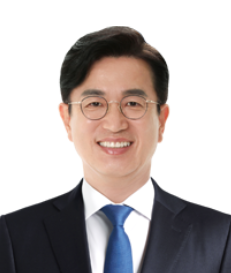
Daejeon Mayor Heo Tae-jeong wrapped up his first "Sangsaeng Gongam Tour" — a co-prosperity and community engagement tour — of the city's five autonomous districts Tuesday, concluding the series in Seo-gu.
During the visit, Heo inspected a site slated to become a future startup hub and held discussions with Seo-gu residents on local issues, reaffirming the city's commitment to supporting projects closely tied to residents' daily lives.
As his first stop, Heo visited the former Korea Racing Authority building, which is set to be converted into a technology-based youth startup space once the Defense Acquisition Program Administration relocates and vacates the premises.
The building currently houses KAIST Global Studio, Daejeon Hana Startup Park (H3), Daejeon Investment Finance and the Defense Technology Promotion Research Institute. Daejeon Innovation Academy is scheduled to open there Wednesday.
Once DAPA completes its relocation — planned for after June 2028 — the city intends to use floors 8 through 12 for technology-based youth startup spaces, offices for growing companies and startup-linked public institutions.
To that end, the city drew up a master plan for expanding startup space in the first half of 2027, with renovation work set for 2028 and tenant recruitment and operations slated to begin in 2029.
"After DAPA moves out, we will make efficient use of the space to extend the startup ecosystem from Gung-dong through to Wolpyeong-dong," Heo said. "We will actively support young people with strong technology and ideas so they face no obstacles when starting a business."
Heo then held a public forum at Gubongsan Hall in the Seo-gu district office, where he outlined the city's vision and key priorities for the current term before sharing plans to address major local issues and improve residents' living environment. More than 400 residents attended.
The city agreed to provide 1 billion won ($755,000) in special adjustment grants to fund an environmental improvement project at Seonyu Children's Park, which Seo-gu had requested.
Built in 1998, Seonyu Children's Park has long drawn complaints from residents over its aging play and rest facilities. The funding will be used to replace worn play equipment, resurface the ground with impact-absorbing material, repair pergolas and lighting, and install a floor fountain, creating a safer and more comfortable space for the community.
The city also agreed to strengthen cooperation with relevant agencies to re-establish the National Information Resources Service headquarters within Daejeon. The city has already proposed two candidate sites in Seo-gu — the reserve forces training ground in Gwanjeo-dong and the Pyeongchon Industrial Complex — and plans to work with the Ministry of Interior and Safety and local political circles to secure the relocation.
Residents at the forum also raised requests related to their daily lives, including expanding recreational sports facilities and upgrading aging infrastructure.
Heo pledged a total of 1.5 billion won in support: 700 million won for a park golf course in the Doma-dong area to meet growing demand, 500 million won to improve facilities at the Domasil National Sports Center, and 300 million won to renovate four aging clay walking paths in the Dunsan-dong area.
Discussions also covered other key local issues, including the construction of the third municipal library in Gwanjeo-dong and the development of a sports and culture theme park at Namseon Park. The library project has completed its preliminary administrative procedures, and the city said it will review specific construction plans in light of fiscal conditions.
On the Namseon Park sports and culture theme park, the city and district agreed on the need to ensure safety and improve the functionality of aging facilities. They also agreed to jointly apply for national government funding under the 2027 recreational sports facility expansion program to advance the project and secure financing.
"Seo-gu is the administrative heart of Daejeon, home to more residents than any other district, and it encompasses distinct communities — Dunsan, Doma and Byeondong, and Gwanjeo and Gasuwon — each with its own character," Heo said. "Through urban renewal and improvements to living conditions tailored to each area's needs, we will ensure that residents everywhere can share in the benefits of development."
"With Seo-gu, we have completed the Sangsaeng Gongam Tour of all five autonomous districts, but our communication with residents will continue," he added. "We will work together with the districts to resolve the issues identified on the ground, and we will keep following up to ensure residents' proposals translate into real policies and projects."
kwonhl@heraldcorp.com