67.7% of four-year universities raised tuition this year
Panels to review spending plans tied to fee increases
Expert members capped at four-year maximum tenure
Scholarship priority expanded to multi-child families, people with disabilities
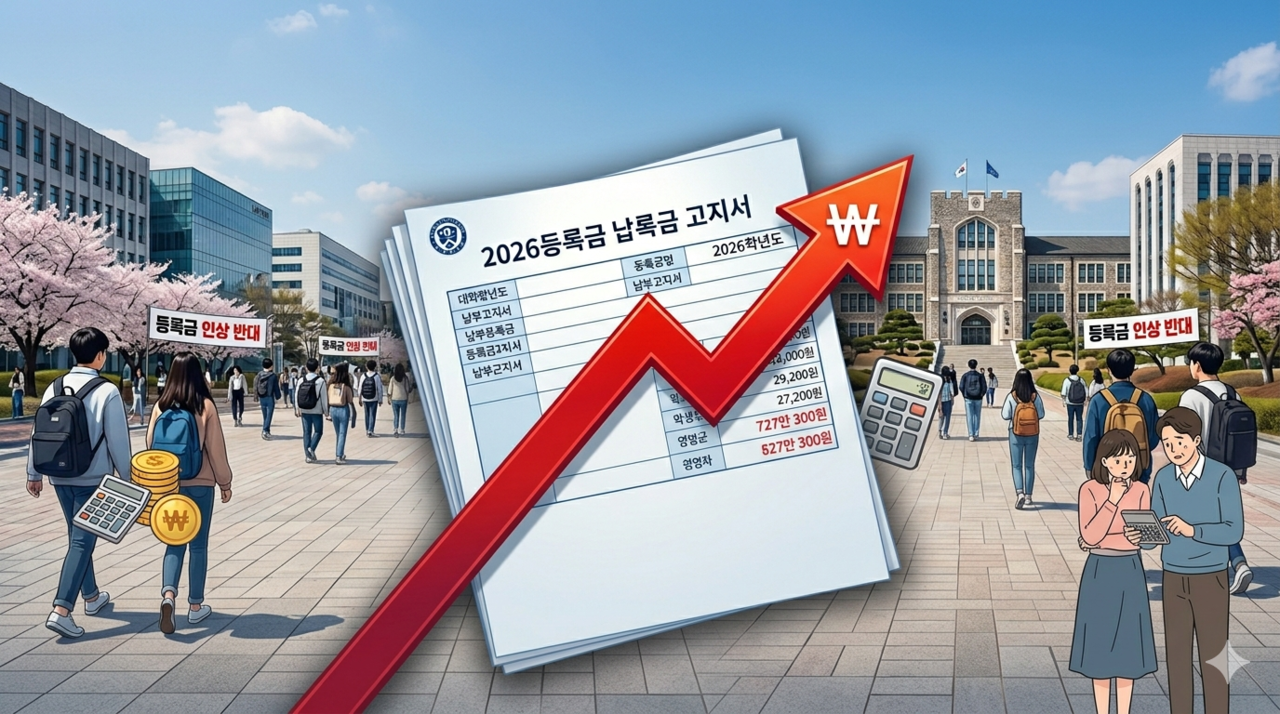
University tuition review committees will gain the authority to demand that schools disclose how they plan to spend revenue generated by tuition increases, under amendments the Ministry of Education announced Tuesday.
The ministry said it would open a legislative notice period for proposed revisions to the Enforcement Decree of the Higher Education Act and the Rules on University Tuition, running from Tuesday through Dec. 7. The government plans to finalize and promulgate the changes before the end of the year.
Tuition deliberation committees — bodies made up of faculty, staff, students and outside experts that review tuition levels — already have the power to request data on how universities calculate fees and manage their accounts. The amendments would add a new requirement: universities must also submit plans showing how they intend to spend any additional revenue from a tuition increase. The change means committees can scrutinize not only the justification for raising fees but also where the extra money goes.
The revisions follow the government's push to ease tuition regulations. In December last year, the Ministry of Education signaled it would scrap ancillary restrictions beyond the statutory tuition ceiling, citing universities' financial difficulties and the need for investment in emerging industries. It also flagged a full review of the Type II National Scholarship, which had been tied to tuition freezes. That policy shift has elevated the role of tuition deliberation committees, which are now expected to take on greater responsibility for assessing whether and by how much fees should rise.
Students are already feeling the strain. An analysis of university disclosure data published in April by the ministry and the Korean Council for University Education found that 130 of 192 four-year general universities and education universities — 67.7 percent — raised tuition this year. The average annual tuition per student rose 2.1 percent from the previous year to 7.27 million won ($5,500). The average at private universities was 8.23 million won.
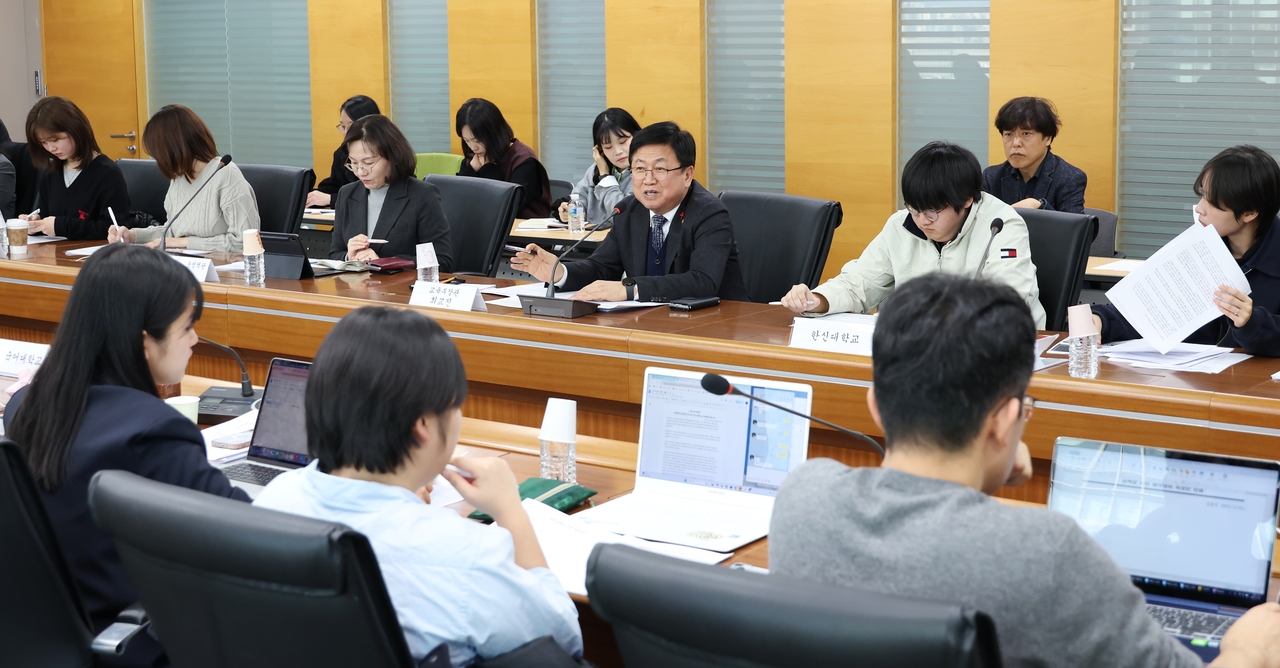
The amendments also overhaul how tuition deliberation committees operate. Expert members would serve terms of up to two years, renewable once, for a maximum of four years. The change addresses criticism that discussions have lacked balance because student members rotate almost every year while expert members can hold their seats indefinitely.
In addition, meeting minutes would have to be reviewed and confirmed by committee members before publication, ensuring that statements made and decisions reached during sessions are accurately recorded.
A new reporting requirement would also be introduced: after a committee vote, university presidents must draw up a follow-up action plan for any resolution requiring further steps and submit it to the committee.
The ministry is also revising the criteria for allocating in-house scholarships. Under current rules, universities must waive or reduce tuition equivalent to at least 10 percent of total tuition revenue, with at least 30 percent of that relief earmarked for financially disadvantaged students.
The amendments would broaden the categories of students eligible for that 30 percent share. In addition to low-income students, the pool would expand to include all children from families with three or more children and students with disabilities. Students whom a university president determines to be in urgent need of support — to prevent them from dropping out for financial reasons — would also qualify.
The ministry said it developed the proposals after gathering feedback through meetings with student council organizations and interviews with tuition deliberation committee members, reflecting strong interest from both schools and students in how the committees function.
brunch@heraldcorp.com