Oct. 29–Nov. 1 | Korean National Opera's 'Das Rheingold'
Two masters who have laid their necks on Wagner's altar
A craftsman who has played Alberich more than 100 times on European stages
A musty inn reeking of long-term occupancy. A man rents a forgotten room and lives there alone. Matted body hair, filth smeared across his skin, wearing nothing but underwear and a shower gown, he crouches like an animal and does not stir. A single low note vibrates the abyss — a four-minute overture that hauls the world up from the deep. The audience's gaze is utterly violated.
The romance of the Rhine has been stripped away. Two cameramen storm the stage, pressing close to capture the man's glistening sweat and the convulsions of his facial muscles. Shot from below, the dwarf's grotesque body swells on the screen behind the stage into a giant that devours everything. Bundles of cash tear through the air and scatter, and the man — robbed of his ring — slams his head against the floor and collapses in utter ruin. This is Alberich, the dwarf of the Nibelungs: the embodiment of greed wearing the naked face of capitalism.
"Alberich doesn't normally appear in the overture. Even for me, this is the first time I've come on from the very beginning." (Samuel Youn)
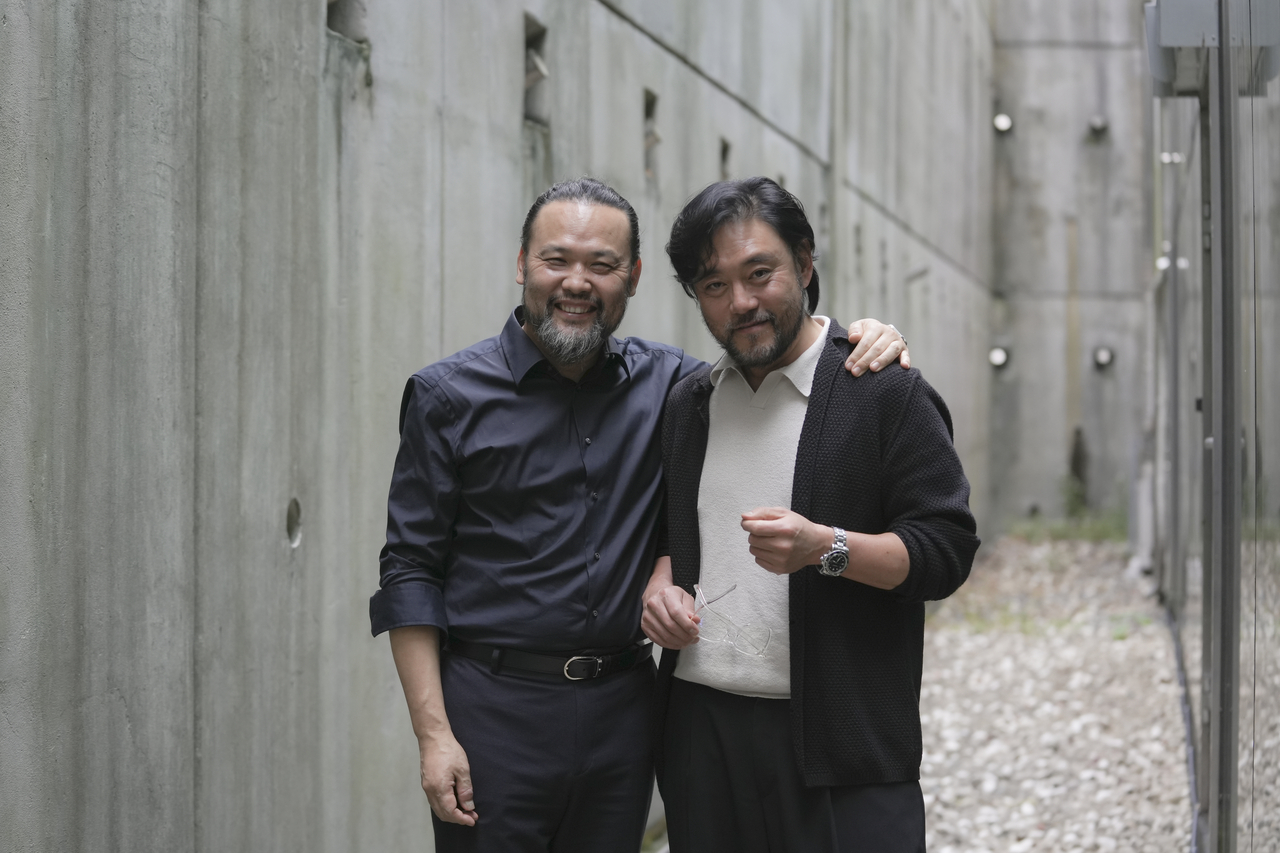
He has worn Alberich's costume well over 100 times. Yet Samuel Youn says that "among every production I have ever experienced, not one has come close to resembling this." Even for a singer who has commanded Wagner stages at the heart of Europe more times than he can count, much about this production is a first. Bass-baritone Samuel Youn and baritone Yang Jun-mo take the stage in "Das Rheingold" (Oct. 29–Nov. 1, Seoul Arts Center Opera House), the prologue to the Korean National Opera's historic Ring Cycle — a self-produced four-part project unfolding over four years through 2029. The dramatic weight of the work rests entirely on the dwarf Alberich, the role both men share. What the gods and heroes of the full tetralogy experience across four operas — rise, fall, and everything in between — Alberich confronts all at once within a single work. That is why Youn says "'Das Rheingold' is Alberich's opera."
'A role Germans never give to Koreans' — a record written in blood
"Germans never give Alberich to a Korean singer. Wotan is hard enough to get, but Alberich — they simply won't hand it over." (Samuel Youn)
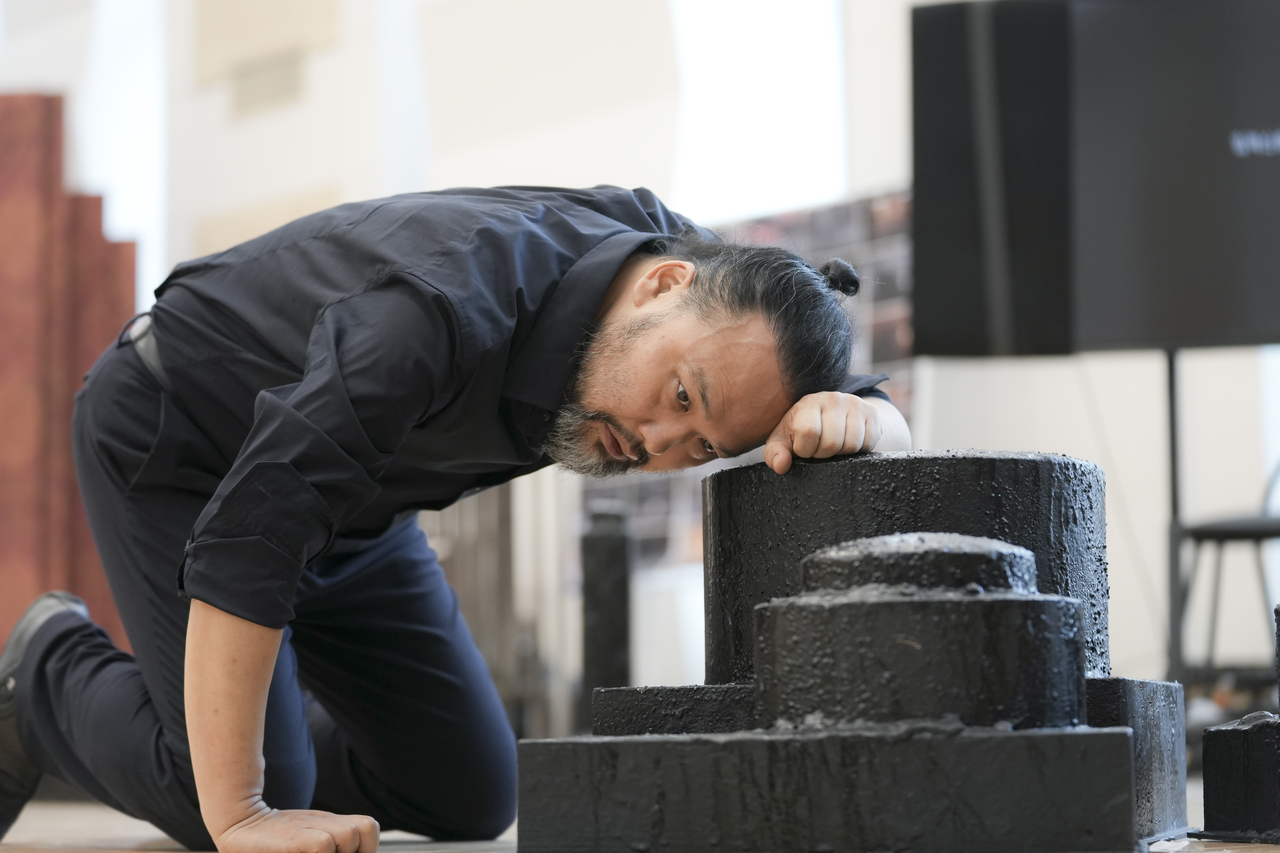
Alberich is a Nibelung dwarf who inhabits the subterranean realm of Nibelheim. In "Das Rheingold," the first opera of the tetralogy, he renounces love in exchange for the power to seize the Rhine Maidens' gold and rule over the Nibelungs. Alberich is a character governed as much by the percussive force of language as by singing. "Unlike Italian opera, which flows on the smoothness of vowels, Wagner's vocal writing only comes alive when the consonants of the German language tear through the audience's eardrums first," Yang explains.
That is even more true when the voice must ride atop a Wagner symphony built from nearly 100 layers of orchestral sound. "If you don't spit out the consonants with absolute clarity, the sound gets swallowed by the orchestra and disappears entirely," Yang said. Korean singers, widely praised for the beauty of their voices, hear one particular criticism over and over on European stages: "We can't hear you." Youn described Alberich as "a dangerous role where, if the feel for the language isn't in your bones, a singer's presence fades and the voice can simply fly away."
That is also why both men call Alberich "Wagner's grave." The bizarre laughter written into Alberich's score is a non-vocal madness that no normal breath can sustain. "After singing it once, it feels like someone has dragged a blade across your vocal cords," Yang said. He recalls that at the orchestra rehearsal for his debut in the role, his voice gave out as he moved from the first scene into the third.
For Yang, that first Alberich was not a matter of art — it was survival. It was the mid-2000s, just after he had finished his studies abroad. He had failed audition after audition, and his visa was about to expire, when he barely managed to debut in "The Barber of Seville" at a small theater in rural Austria. The production's director abruptly suggested he audition for Alberich. "I didn't even know what Alberich was," Yang recalls of that time. The score he had taught himself alone, on the edge of a cliff, was shattered by the conductor's cold verdict at the first rehearsal: "All wrong." The conductor held him back and taught him for a full month. Yang still opens that paper score today — taped over countless times where the pages tore from turning, stained deep with kimchi broth that dripped from his bowl during meals. "I truly love it, but it put me through so much. That's why it's a role I have a love-hate relationship with."
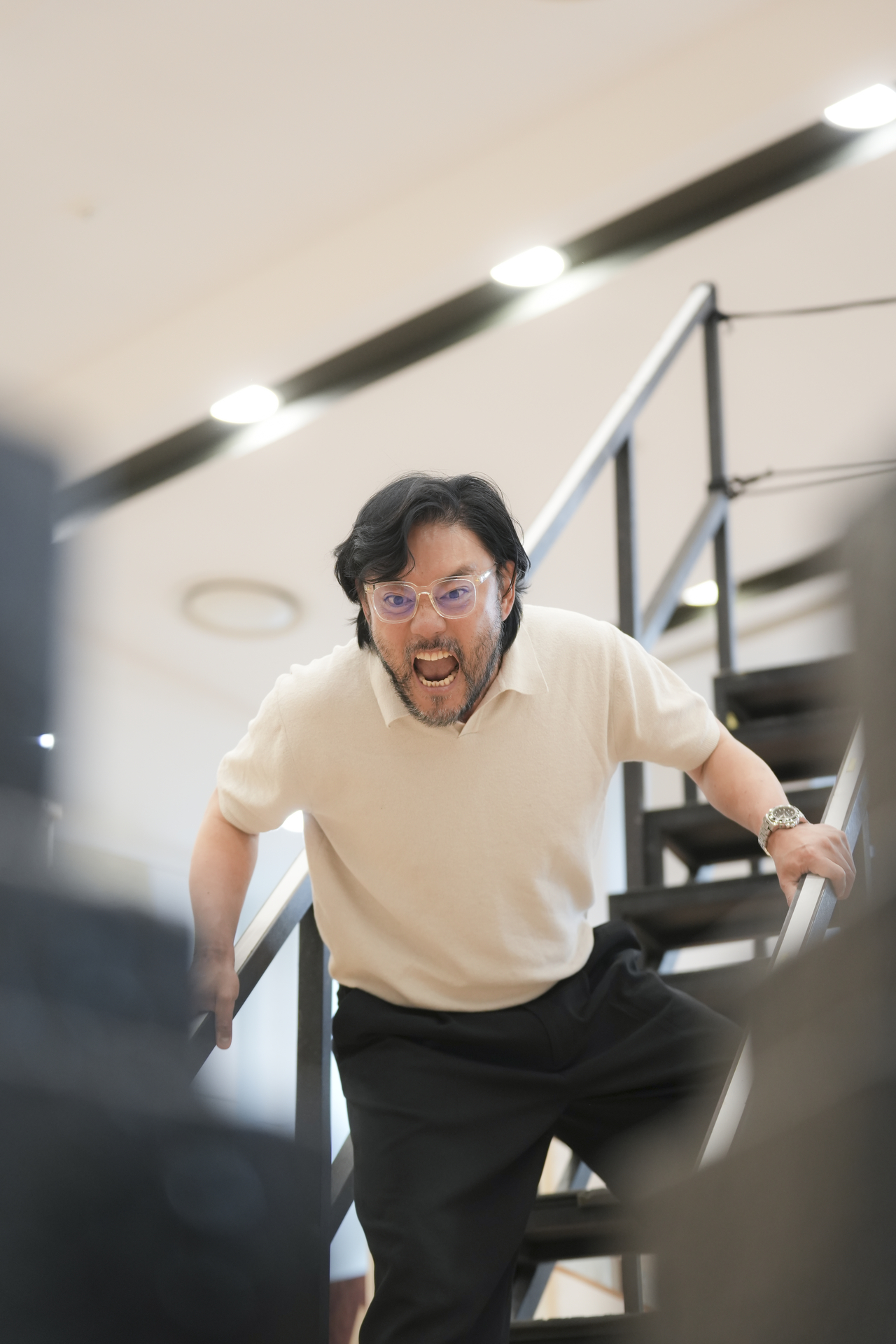
For Samuel Youn, Alberich was the escape that broke the chains binding him. After taking the stage as the Flying Dutchman at Bayreuth in 2012, opera houses around the world asked only for the Dutchman. He was condemned to wander the seas nearly 150 times. By the time he had grown weary of the five music coaches who descended on him after every Bayreuth rehearsal with their barrage of consonant corrections and their instruction to "stop singing like a singer," he was ready to run. Then the Lyric Opera of Chicago offered him Alberich. The 2016 production he stepped into thinking "I'll do just this one and be done with Wagner" brought a remarkable reversal.
"The urge to quit — Alberich blew it wide open. That was the first time I realized how much I had inside me, waiting to pour out." (Samuel Youn)
They wear the same role, but the two men's Alberichs differ in texture from the start. The bass-baritone's heavy low notes resonate from the depths; the baritone's high notes cut like a sharpened blade. Youn explains that Wagner "used a wider vocal range for the roles into which he most wanted to project his entire philosophy." Across that wide range, the contrast between the two singers comes into sharp relief. "Even within a single sentence, the word I give weight to and the word Mr. Yang emphasizes are different," Youn said with a laugh, adding, "You really must see both." Yang identified the biggest difference between them as the distribution of energy.
"He gives everything — 100 percent — every time he steps on stage. I hold back. I have to rest one day and go back on the next." Youn, sitting beside him, smiled and answered: "Same here."
Alberich, stripped of rest, passes the baton of violence
This production does not allow Alberich a single second to breathe. Live cameras roll without pause throughout the performance. The cameramen who share the stage pursue Alberich all the way backstage, capturing him even there. Fixed cameras at the front and rear of the stage leave no blind spot; every bead of sweat on the singer's face is pinned to the screen. "I need to duck backstage for even a sip of water, but the cameras follow me everywhere — there's no moment to do even that," Yang admitted.
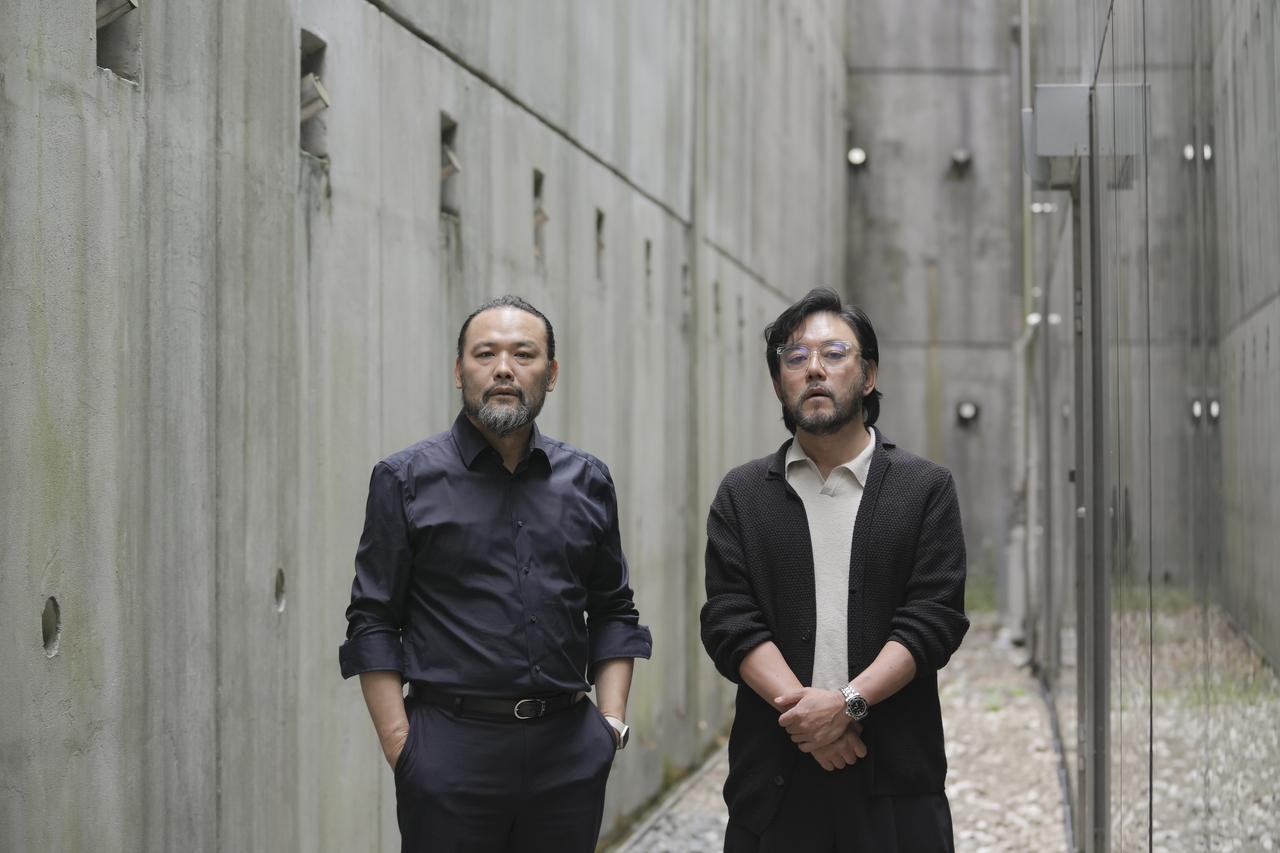
Neither man has ever performed in a live-video production demanding extreme close-ups that fill the entire screen, and this is a first for both. "Even abroad, this kind of directorial approach splits audiences exactly 50-50," Youn said. Whether the video amplifies the aura of the singing or simply scatters the audience's attention is something only opening night will reveal.
Yet because both singers are regarded as masters of physical performance, the intense emotion and eye acting that will reach the very back row of the 2,283-seat house through the giant screen is one of the production's most anticipated elements. The sweat that pours like rain when they sing Wagner, the spray that scatters like mist under the stage lights, the contorting facial muscles and burning eyes — these are expected to be the production's finest moments.
"When that desperate physical agony is broadcast on screen, perhaps the audience will think: 'Ah, so these singers really do work hard for a living.'" (Yang Jun-mo)
Both men have shed even the pretense of physical vanity for the role. They have both grown their beards out roughly. Youn, known for refusing wigs, has this time willingly blended a wig with his own hair. These days, two hours go into gluing fur and grime to every part of the body with adhesive, and another two hours into tearing it all off until the skin is raw.
Alberich's humor has been erased entirely. Even the moment of wit — when a triumphant Alberich transforms into a toad — is replaced in this production with cruelty and brutality. Many productions cut off Alberich's finger at the moment the ring is stolen; this one brings him to an even more wretched ruin. Yang sees the production's decision to push Alberich's desire and violence to the very limit as "laying the groundwork to pass that baton to Wotan later." The scene in the fourth act where Wotan, king of the gods, utterly crushes and violates Alberich is, he argues, the moment the supreme deity inherits the full weight of human greed and violence.
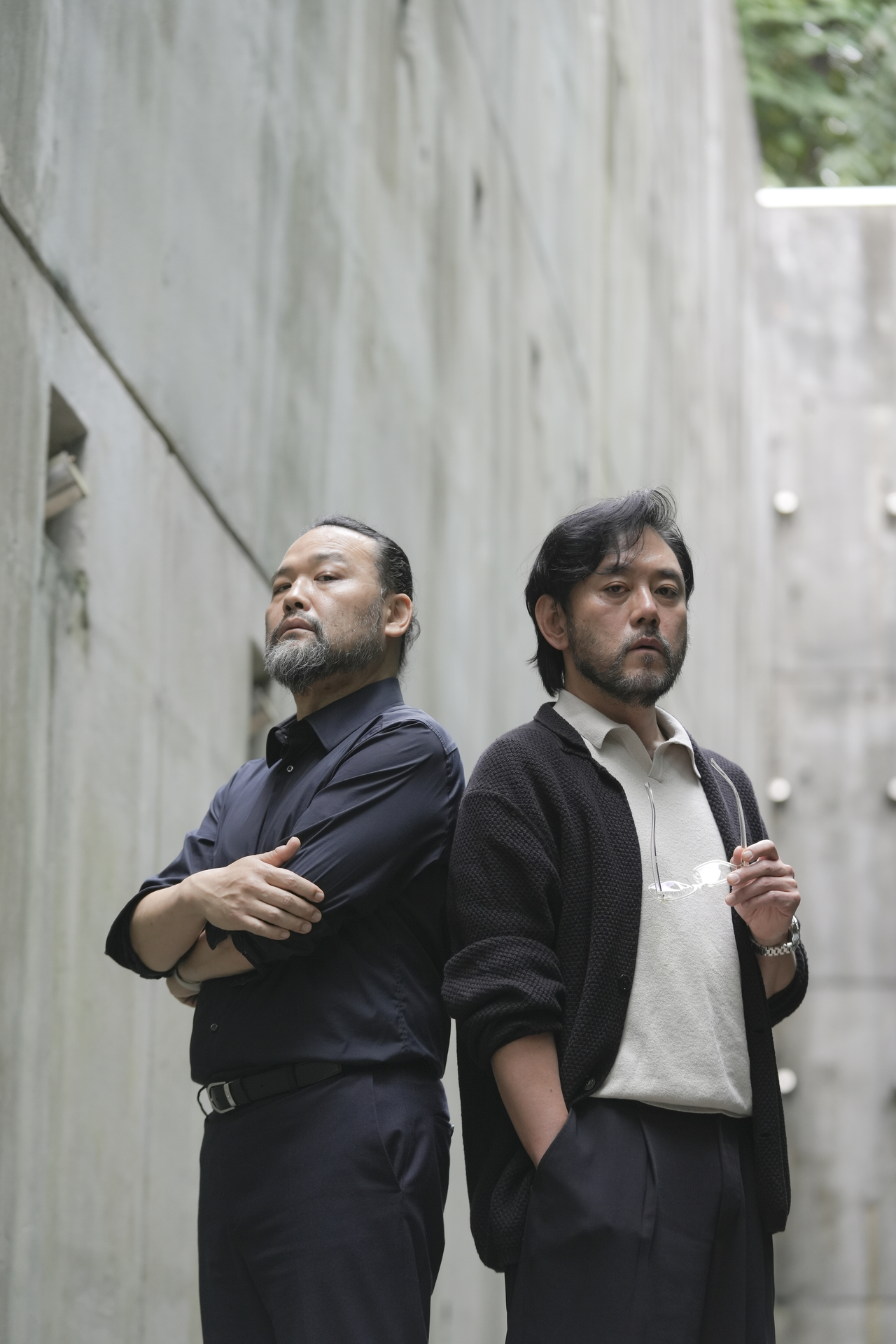
The run spans four nights — Thursday through Sunday — and the two men alternate on stage each day in a grueling schedule. "This role is five times harder than any other opera and three times harder than Mephistopheles," Youn said. Mephistopheles is the devil in Gounod's opera "Faust," a role Youn has sung many times. European repertory houses protect their singers by slotting lighter comedies between heavy Wagner productions and spreading performances over a month, giving audiences the chance to see both Alberichs two or three times each. But opera production in Korea moves at a sprint. Without a dedicated venue, the Korean National Opera pours its collective soul into every production under tight constraints. Youn called the situation "truly unfortunate."
Even so, what pulls the two spent men back onto what they call "the stage from hell" is Wagner's music itself. Yang says that sitting inside "the vast four-hour symphony Wagner has laid out," a singer need only share a meal — but adds, "the spoon is extraordinarily heavy." Even lifting a single bite is no easy journey. While the makeup comes off, they mutter to themselves, "Why am I doing this?" — but the moment the symphony erupts from the orchestra pit like an earthquake and swallows the stage whole, reason shuts down.
"When that hellfire of a cursed score rings out, I think: I'm so glad I did this. This is the thrill that makes me chip away at my own lifespan to keep going. Wagner is like a drug." (Samuel Youn)
The path these two men walk is both a signpost and a stepping stone. "If we lay the foundation and clear the road, the younger singers working in Europe will follow it well," Yang said. Seeing two masters who have willingly placed their necks on Wagner's altar alternate as Alberich on the same stage is itself a first. A privilege that once belonged only to audiences abroad has now come to Korean opera audiences.
"We will pour everything we have into this — body and soul. When will you ever get to see our Alberich in Korea again? (Laughs)" (Samuel Youn)
shee@heraldcorp.com