Labour polling at 29%, ahead of Conservatives and Reform UK
Cost-of-living measures anchor domestic agenda
Inflation at 3.5%, growth slowing as economy strains
First budget and EU reset loom as defining challenges
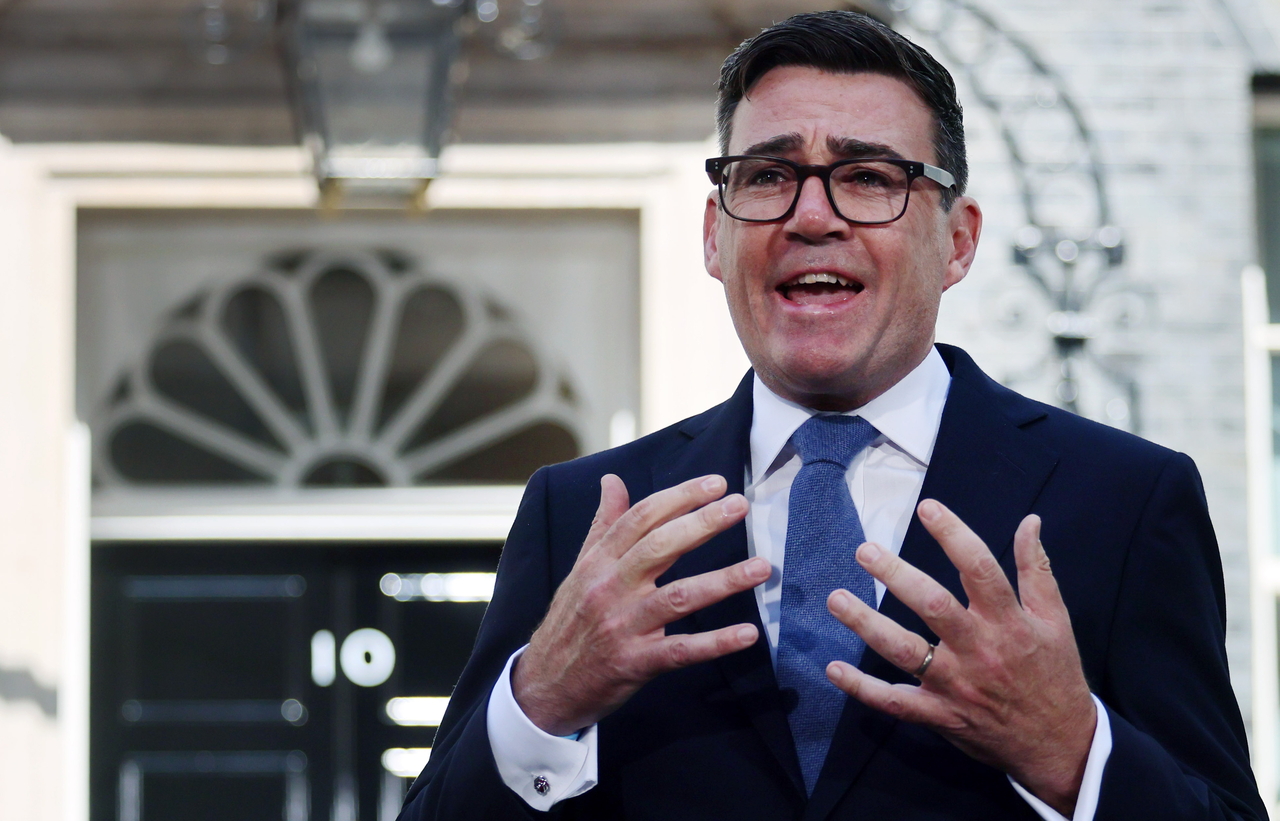
British Prime Minister Andy Burnham marked 100 days in office Tuesday (local time), with analysts crediting him with a notable political turnaround: the ruling Labour Party, once trailing the far-right Reform UK by double digits in the polls, has climbed back to first place. However, persistent inflation, sluggish growth and the challenge of resetting ties with the EU mean the real test is whether Burnham can translate early popularity into concrete policy results.
Burnham took office on July 20, succeeding former Prime Minister Keir Starmer. Having served three terms as Greater Manchester mayor since 2017 and kept his distance from Westminster politics, he emerged as the frontrunner for the top job after Labour suffered a heavy defeat in this year's local elections. As Starmer's approval ratings collapsed and pressure within the party for a leadership change mounted, Burnham rose to the premiership in short order.
The most striking shift since he took office has been Labour's polling recovery. According to polling trends tracked by The Economist, Labour now stands at 29 percent — ahead of the main opposition Conservative Party at 22 percent and Reform UK at 21 percent.
That marks a significant reversal from late last year, when Labour trailed Reform UK by as much as 10 percentage points.
With Labour back on top, speculation has grown that Burnham could call an early general election. Under British law, the next general election must be held by the summer of 2029 at the latest.
Analysts say Burnham's rise in the polls has been driven largely by a domestic-focused policy agenda. After pledging on his first day in office to "give people room to breathe in their daily lives," he directed his government's energy toward cutting energy bills and transport costs and tackling homelessness.
He has also moved quickly on decentralization. In keeping with his campaign pledge to shift power away from London to the regions, he established a Northern Prime Minister's Office in Manchester.
Immigration figures have also improved compared with his predecessor's early tenure. According to The Daily Telegraph, nearly 14,000 migrants crossed the English Channel in the first 100 days after Starmer took office; the figure is estimated to have fallen to around 8,500 in the equivalent period under Burnham.
Some analysts caution, however, that the decline reflects years of tightening immigration enforcement by successive governments rather than any specific achievement of the Burnham administration.
Burnham has also benefited from the unpopularity of his predecessor. The Starmer government's early-release scheme, introduced to ease prison overcrowding, drew fierce public backlash. Burnham has since reviewed the policy and reduced the number of prisoners eligible for early release, drawing a clear line between his government and the last.
Yet as the so-called honeymoon effect fades, pressure is growing on Burnham to show real results. According to The Times, one internal government critic said: "He is getting credit for being bold when he hasn't actually done anything bold."
The first major test comes Wednesday, when Finance Minister John Healey presents Burnham's first regular budget. Local media expect the statement to largely maintain existing policies rather than introduce sweeping tax reforms or major new spending measures.
Measures under discussion include a minimum wage increase, tax relief for company-car drivers, the removal of tariffs on some food products, a freeze on fuel duty and two weeks of paternity leave for self-employed men.
The backdrop, however, is a difficult economic environment.
Consumer prices rose 3.5 percent last month, well above the Bank of England's 2 percent inflation target. GDP grew just 0.1 percent in August. HSBC on Tuesday cut its UK growth forecast for next year from 1.2 percent to 1.1 percent.
With inflation still elevated and growth losing momentum, analysts say Burnham's pledge to ease the cost-of-living burden on ordinary people may face significant constraints.
Redefining Britain's relationship with Europe after Brexit also ranks among his most pressing challenges. Ahead of talks with EU leaders next month, Burnham has called for a national debate on how to reset ties between the UK and the bloc.
He has gone further by putting EU membership and freedom of movement back on the table as topics for discussion, reviving politically sensitive issues that many in his party had hoped to leave behind.
Electoral reform — specifically changes to the first-past-the-post system — and an overhaul of the social welfare system, both flagged at last month's Labour Party conference, are also expected to carry considerable political costs as they move forward.
The BBC said Labour MPs had "found a new energy" over the past 100 days and that the Burnham government had changed both in style and in substance from its predecessor — but added that "a series of difficult economic and political decisions and choices now lie ahead."
sjy@heraldcorp.com