EU to launch safeguard probe this week
Chinese imports to be cut from 800,000 to 350,000 units
Country-specific quotas to apply to South Korea as well
Hyundai Motor, Kia sales strategy in Europe faces disruption
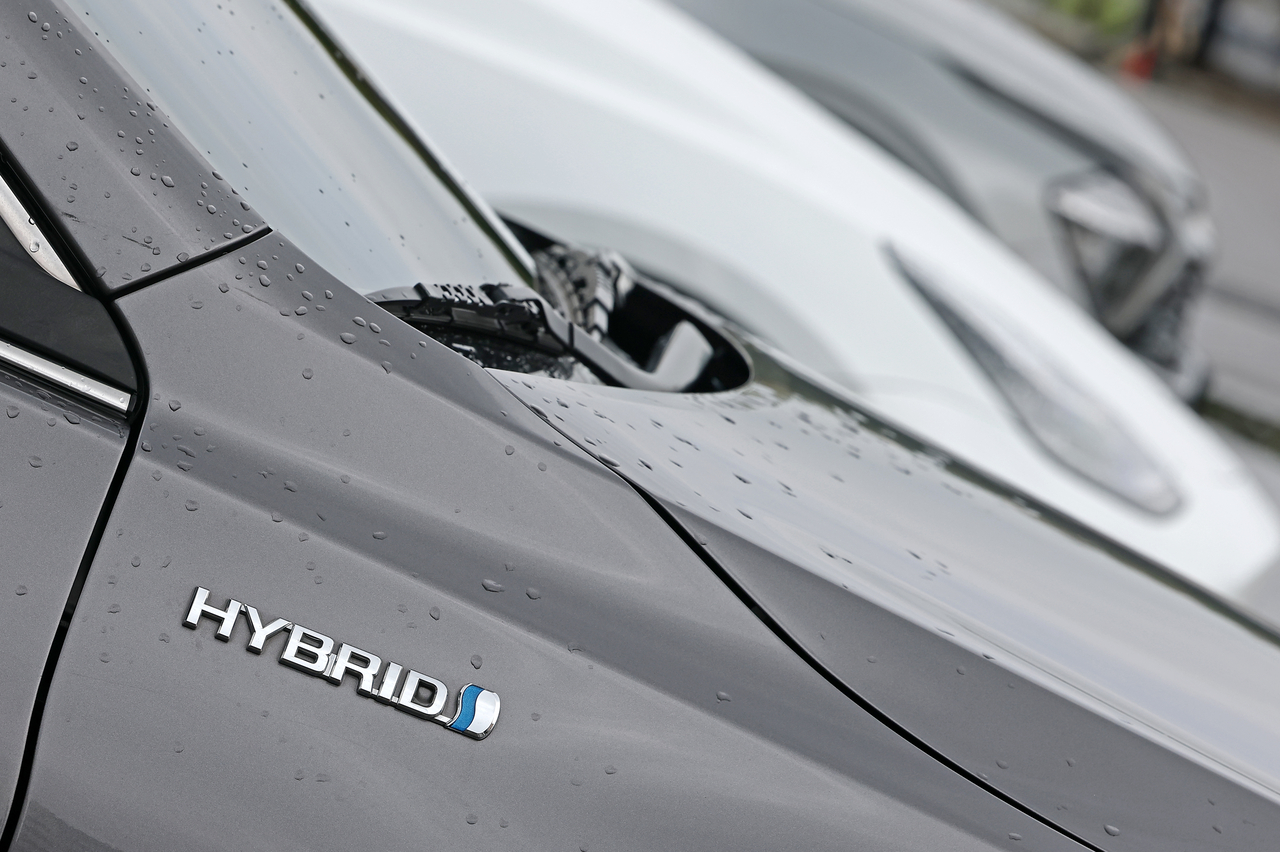
South Korea's auto industry is on alert as the EU moves to sharply curtail imports of Chinese-made hybrid vehicles through an emergency safeguard measure. Although the action targets China, country-specific import quotas are set to apply to South Korea and other major exporters as well, raising concerns that Hyundai Motor and Kia could face setbacks in their European market push.
According to diplomatic and industry sources in Brussels, where EU headquarters are located, the European Commission plans to launch a safeguard investigation into hybrid vehicle imports this week (local time).
The EU recently reached an agreement with China to sharply reduce the surge in Chinese hybrid vehicle imports. Under the plan, annual imports of Chinese-made hybrids — projected to reach about 800,000 units this year — would be capped at 350,000, a reduction of roughly 56 percent from the expected volume.
The problem is that the measure will not apply to China alone. Under World Trade Organization rules, safeguards must in principle apply to all countries of origin without discriminating against a specific nation. As a result, the import restrictions aimed at Chinese vehicles will also affect other major exporters, including South Korea and Japan.
According to European trade publication Borderlex and other sources, the European Commission intends to assign country-specific quotas to major hybrid vehicle exporters — including South Korea, Japan, Turkey, the United Kingdom and the United States — through the investigation. The quotas are expected to be calculated based on each country's recent hybrid vehicle export volumes to the EU.
The measure is set to operate more forcefully than a standard tariff increase. Rather than imposing additional duties on vehicles that exceed the quota, the EU would bar them outright from clearing customs and return them to their country of origin.
The European Commission has said it does not expect export volumes from countries other than China to fall significantly. At a recent briefing, a Commission official said the rapid increase in hybrid vehicle imports into the EU market was "mainly due to Chinese products," adding that quotas assigned to other countries "are not expected to be reduced as much as China's."
The official also suggested that automakers from South Korea, Japan and other countries could benefit from a rebound in market share as Chinese vehicles are squeezed out.
The mood within South Korea's domestic auto industry, however, is different. Industry officials warn that country-specific quotas would impose a ceiling on export volumes, constraining future sales growth.
Hyundai Motor and Kia are particularly exposed. Both companies have been intensifying their European push with electric and hybrid vehicles in response to high fuel prices and rising demand for eco-friendly cars, making them vulnerable to the new restrictions.
Hyundai Motor and Kia sold about 181,000 hybrid vehicles in Europe from January through August this year, meaning roughly one in four vehicles sold was a hybrid. Of those, 34.8 percent were produced in South Korea and exported to Europe.
Both companies also operate production facilities in Europe, including in the Czech Republic and Slovakia. While some hybrid models — such as the Hyundai Tucson and Kia Sportage — are manufactured locally, others including the Hyundai Kona, Santa Fe and the Kia Niro and Sorento hybrids are built at domestic factories and exported to Europe.
If the quota allocated to South Korean hybrid vehicles proves insufficient, sales growth for some models in Europe could be disrupted.
Shifting domestic production to European plants is also not a problem that can be solved quickly. Industry officials note that European factories are optimized for their current model lineups and production volumes, and that converting vehicles previously built in South Korea to local production is difficult once supply chain considerations are factored in.
The fact that South Korea and the EU have a free trade agreement does not appear to guarantee any preferential treatment in quota allocation. With observers noting that the EU is unlikely to assign more generous import volumes to FTA partners, South Korean industry groups are calling on the government to respond actively.
Time for negotiations is short. The European Commission has indicated it intends to implement the safeguard as early as December, leaving little more than a month to negotiate country-specific quotas.
The South Korean government plans to press the European Commission on the contribution Hyundai Motor and Kia make to European production, employment and supply chains, in a bid to secure adequate quotas. Officials also intend to draw on experience gained in June, when South Korea secured more favorable terms than competing countries during EU steel import quota adjustments.
The EU's push to tighten import restrictions may not stop at the auto sector. The bloc says it is running a trade deficit with China of about 1 billion euros ($1.12 billion) per day due to a flood of low-cost Chinese goods, and that its industrial base and jobs are under threat.
The EU is also considering extending safeguard measures to other industries, including chemicals and machinery.
The EU's drive to correct its trade imbalance with China is emerging as a new variable for the export environment of South Korea and other major trading partners.
sjy@heraldcorp.com