Cho Seong-jin meets Beethoven's Piano Concerto No. 4 with the Vienna Philharmonic on Sunday
"B–B–B–B–C–A–G–F#———G–"
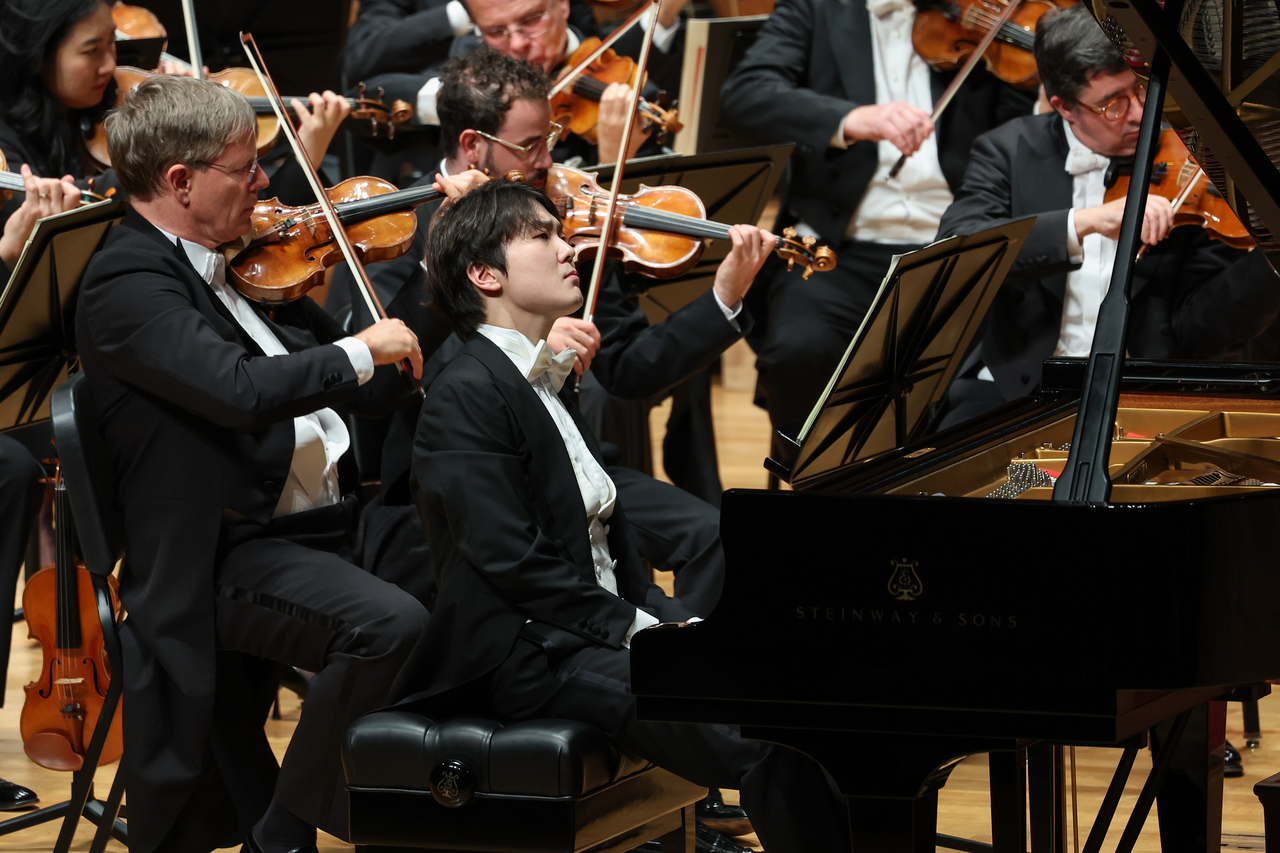
The piano did not rush. It did not raise its voice. G major, common time. Allegro moderato. The notes descended quietly, carefully, as if venturing a tentative word.
Beethoven's Piano Concerto No. 4 opens with an act of revolution: instead of the orchestra presenting the theme, the soloist speaks first — alone, for five measures. Cho Seong-jin has begun those five measures countless times over a long career, yet the introduction heard Sunday was unlike any that came before. There was no flash of virtuosity, no bid for attention. The melody moved with the unhurried, almost deferential tenderness of someone falling into step beside a companion — humble, warm, unwilling to impose.
As the gently descending line dropped onto the first beat of the third measure — an F# held deep and still — the clear tone ceased to be mere sound and became something felt in the chest, wrapping itself around the hall. Cho pressed the note as though drawing it down into the very bed of the keys rather than letting it dissolve into the air. The preceding notes had quietly cleared a path; the last one lingered a moment longer, leaving an emotional footprint that refused to fade. It was over in an instant. Before the orchestra had played a single note, the audience already belonged to Beethoven.
Sunday at Seoul Arts Center Concert Hall — this was the moment created by the meeting of pianist Cho Seong-jin, 32, back in white tie after a long interval, and the Vienna Philharmonic Orchestra.
The connection between Cho and the Vienna Philharmonic traces back to 2022, in the immediate aftermath of Russia's invasion of Ukraine. Conductor Valery Gergiev and pianist Denis Matsuev were unable to take the stage for a March performance at Carnegie Hall in New York, and the orchestra urgently needed replacements. The two who stepped in were conductor Yannick Nézet-Séguin and pianist Cho Seong-jin. Cho received the call the day before the concert, practiced late into the night in a hotel lobby, and delivered a complete performance of Rachmaninoff's Piano Concerto No. 2. That first encounter led to another: when the Vienna Philharmonic toured Korea in 2024, Cho again shared the stage — that time performing Beethoven's Piano Concerto No. 3.
In some music, the sound, texture and tempo of the opening note set the context for everything that follows. The character of Beethoven's Fourth was established in Cho's first five measures. After the piano's quiet soliloquy, the Vienna Philharmonic's velvet strings followed with enveloping warmth. The pauses between the orchestra's notes were narrower than those of the piano, so the afterimage of those opening five measures cascaded forward in a chain. Before the resonance had faded, the piano's transparent tone fell again, drop by drop. The density of each stroke — dispersed into the air yet never disappearing — and a touch that was clear yet weighty kept reaching out to the audience, refusing to let go.
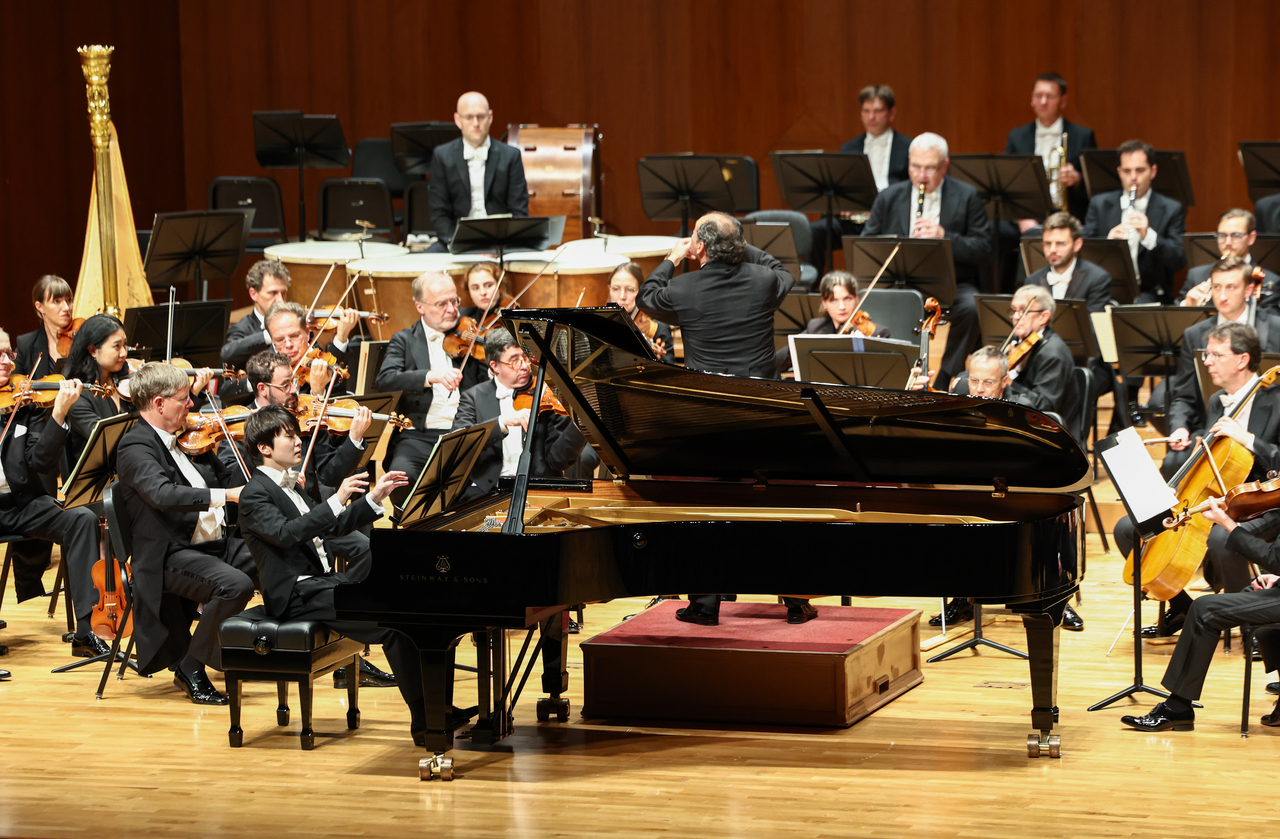
Cho and the Vienna Philharmonic were well matched. Neither rushed to define the relationship. Moment by moment they created scenes in which different voices received what the other offered, stepped back, then revealed themselves — breathing tension into the music. Conductor Tugan Sokhiev moved between ensemble and soloist with lucid gestures, returning his gaze to Cho again and again, watching Cho's hands and eyes as the music locked together like puzzle pieces and meshed like gears.
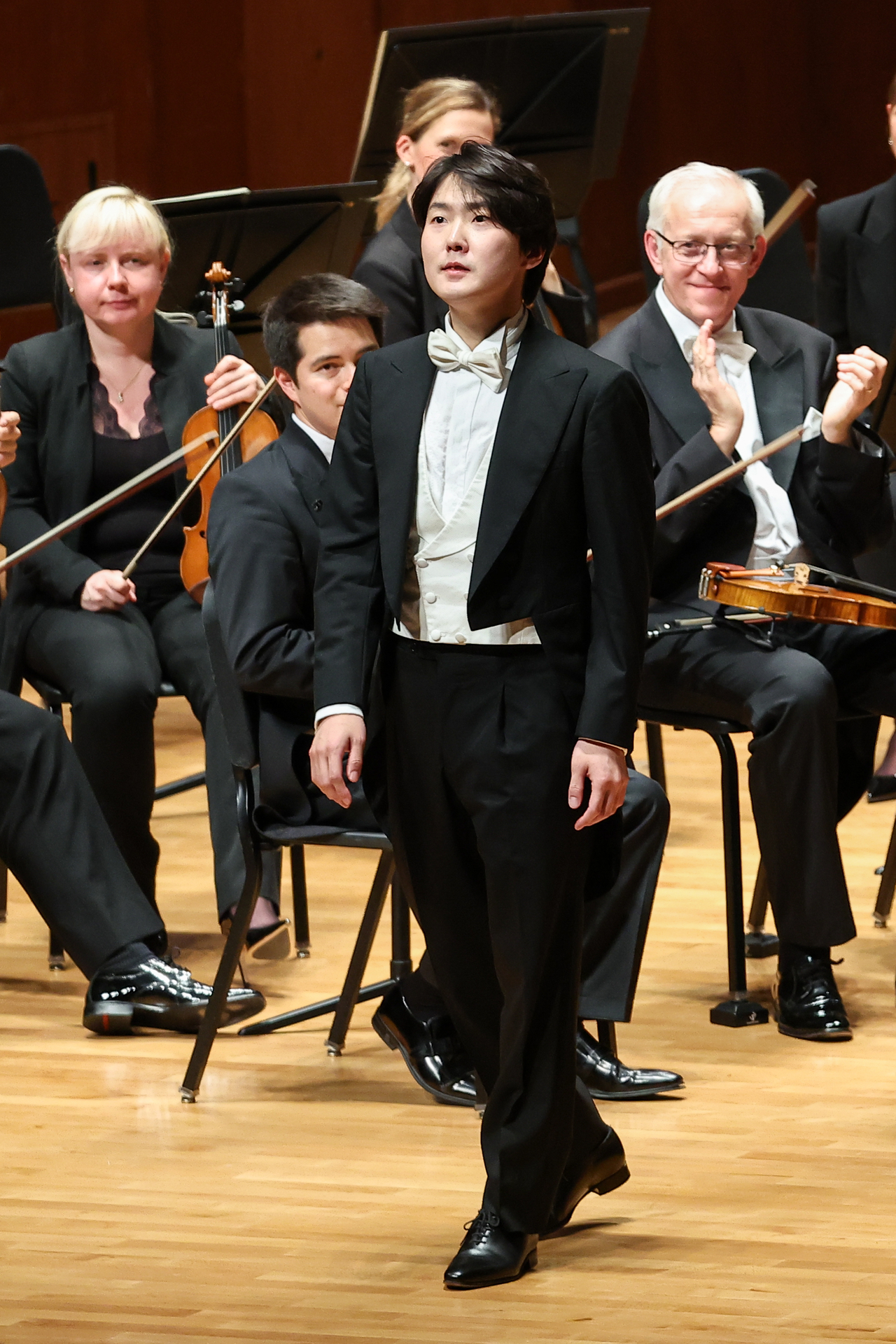
Cho did not confine himself to the role of soloist. Cho was evolving into someone who governs the entire forest of Beethoven — a co-creator of the music. Rather than striving to prove himself within the sonic landscape of one of the world's great orchestras, Cho lowered the volume, left space, and walked deeper into the heart of the music.
Musical restraint was, in fact, an active choice. Instead of competing with the orchestra, Cho yielded space and invited listening. Emotion was never pushed. Notes were simply embroidered into the silence between sounds, and the audience was allowed to come of its own accord. An extreme, refined clarity and the resonance of a weighty inner pulse moved through the heart. The most sublime form of consolation — the kind reached precisely by not exaggerating sorrow — was the remarkable landscape the first movement created.
In the cadenza, Cho's technique and structural instinct shone. Even in passages of rapid flight, the outline of each note never blurred. Staccato leapt with crisp surprise; legato flowed with supple continuity. The waves of arpeggios did not scatter into mere display. Beneath the fast notes, the skeleton of the music held firm, and the melody moved freely above it. The playing was precise yet alive, overflowing with vitality.
As the music quieted into the second movement, emotions that had been in hiding began to surface. When the strings pressed forward with resolve, the piano answered in a soft, restrained voice. Cho never exaggerated feeling or pleaded for pathos. By finely calibrating the length and weight of each note and the space between phrases, Cho drew out the emotions that had settled within the music. The notes left the keys and followed one another like footsteps — slow, deliberate, each one pressing a seal of sound into the keys. Cho was a poet at the piano, and on every step a transparent dew clung that could not be shaken off.
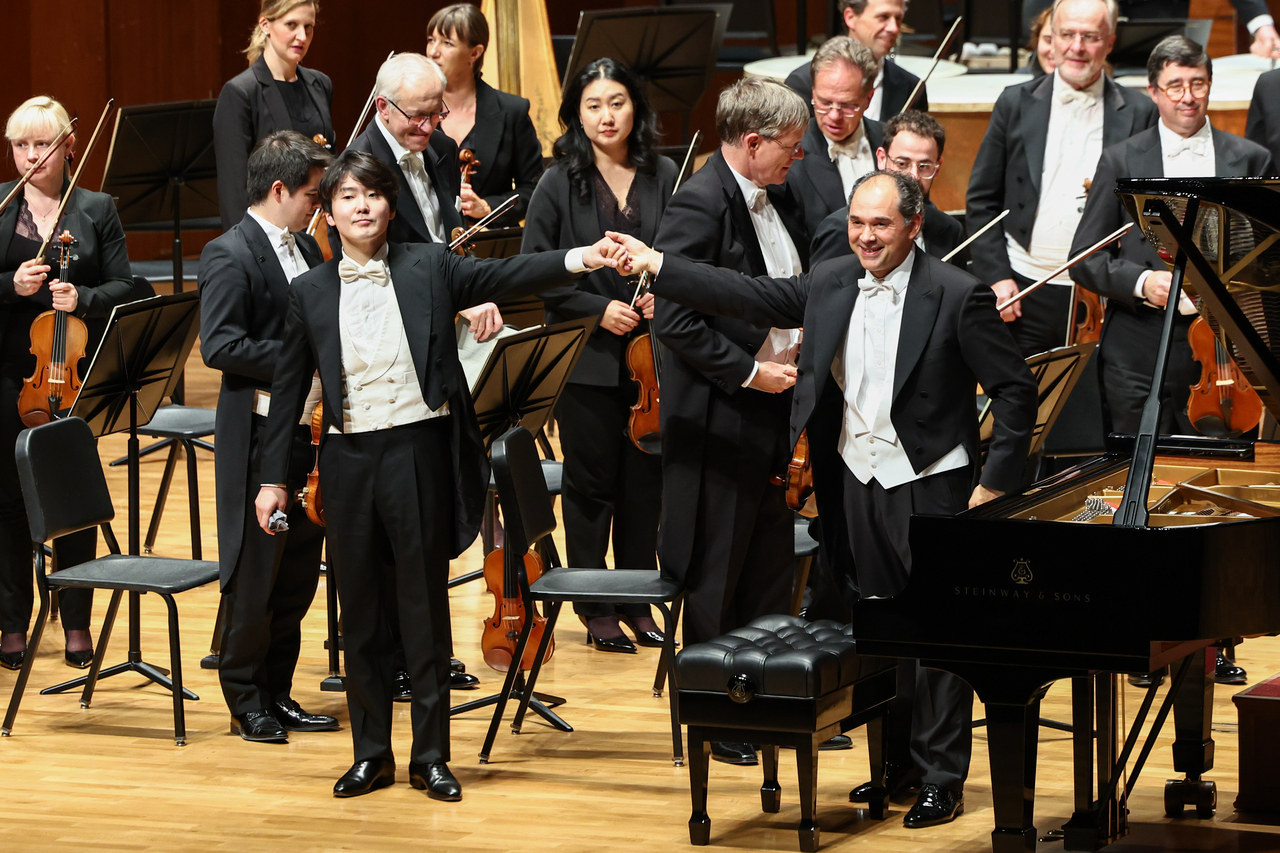
By the third movement, the earlier contemplation had given way to buoyant motion and wit. Cho's fingers were light and nimble; the Vienna Philharmonic supported every move with elastic energy. The music was no longer an interior monologue — it was a conversation of quick glances and shared laughter. Humor and vitality never ceased, even within precise control. The two traded playful exchanges, passing the lead back and forth, and through the most furious passages Cho maintained a transparent articulation in which not a single note was smudged.
The restraint and control drawn from Beethoven grew freer still in the two Chopin waltzes Cho chose as encores. Exquisite contrasts of dynamics and rubato — that expressive freedom with time — seemed to hold a note and then release it, to lift a melody and then let it drift loose. Cho's individual voice came through with vivid clarity, and the tension built note by note through Beethoven was at last allowed to unwind.
The Vienna Philharmonic's main course was Brahms — a perennial autumn choice, though Brahms carries a particular bond with this orchestra. The Second Symphony heard Sunday first came into the world on Dec. 30, 1877, in a Vienna Philharmonic performance conducted by Hans Richter.
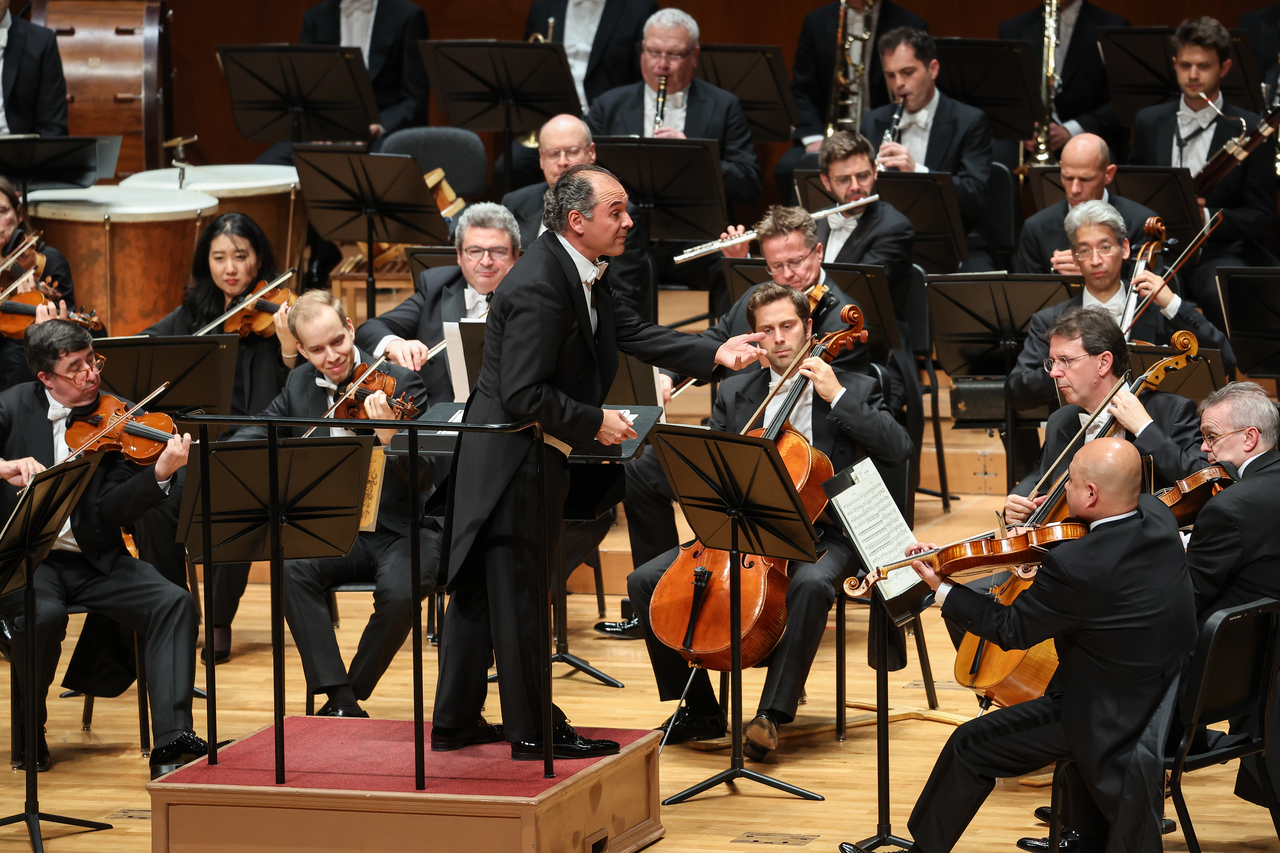
Sokhiev wove the orchestra together with meticulous craft and no wasted gesture. Over the same fluent strings that had so warmly enveloped the piano in the first half, woodwind and brass melodies blended in naturally. In place of Brahms's characteristically dense, brooding palette, Sokhiev painted a transparent, warm pastoral landscape — carrying the audience into a golden field where soft autumn sunlight broke and scattered brilliantly.
As the strings climbed and descended their winding staircase, Sokhiev shaped each section into an organic ensemble. The structure of what Arnold Schoenberg famously praised as Brahms's "developing variation" emerged with clarity, and the music became an intellectual pleasure — a taut tug-of-war between reason and feeling.
When a fully persuaded audience erupted, the Vienna Philharmonic and Sokhiev answered with three encores that refused to let the evening end: Josef Strauss's waltz "Delirien" (Delirium) and "In Flight" polka, and Johann Strauss II's "Éljen a Magyar!" polka. After the final note, the musicians raised their bows and called out "Éljen!" — "Hurrah!" in Hungarian — and the concert hall ignited into a festival atmosphere. The restraint of Beethoven and the lyricism of Brahms had met the waltzes and polkas of Vienna, and the result was a jubilant release.
shee@heraldcorp.com