Seat count drops from 344 to 326, a 5.2% reduction per aircraft
New lightweight cabin carpet cuts fuel use and carbon emissions
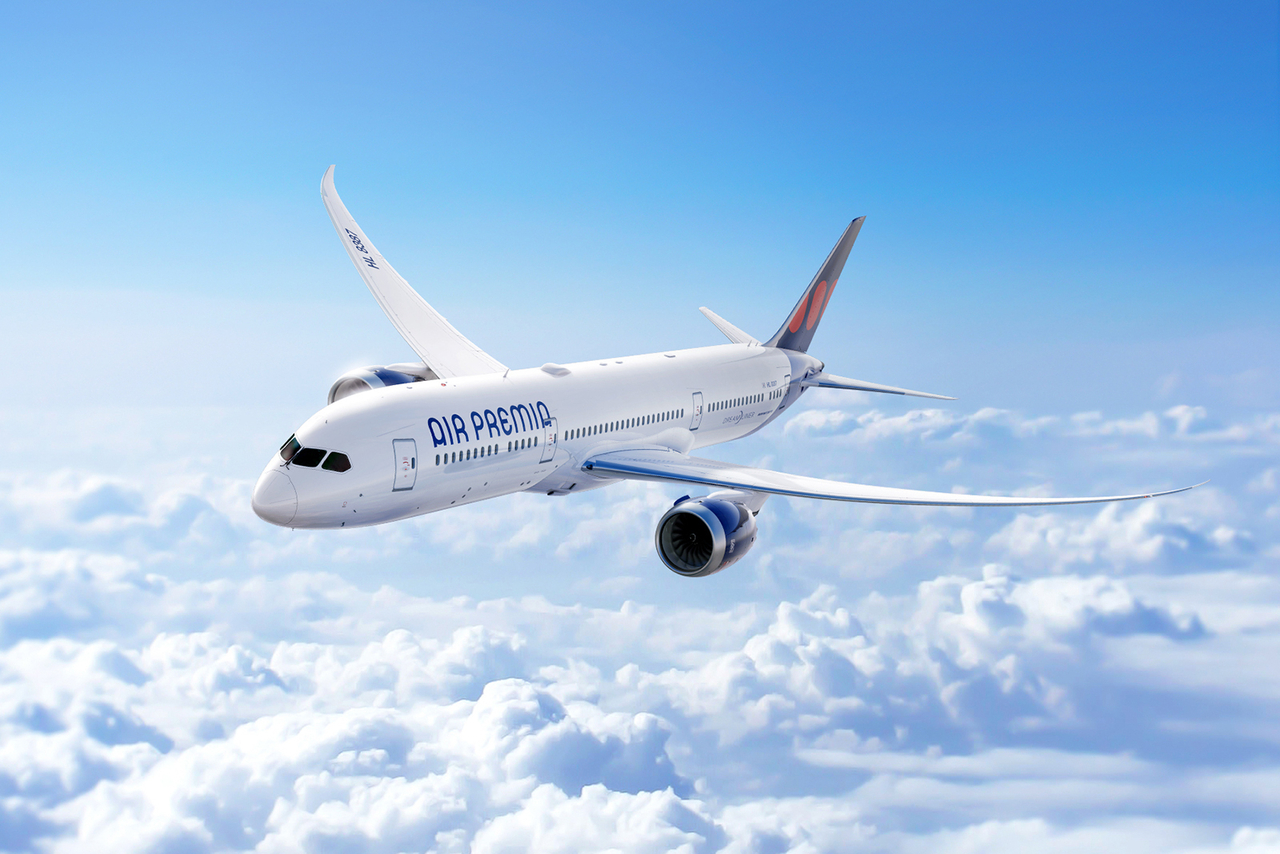
Air Premia said Monday it has widened economy class seat pitch and upgraded its cabin environment.
The airline expanded the economy class seat pitch on its HL8703 aircraft from 31 inches (about 79 centimeters) to 33 inches (about 84 centimeters), a gain of 2 inches. The reconfiguration work began in mid-October, and the aircraft entered service Saturday.
The adjustment reduced total seating on that aircraft from 344 to 326, a decrease of 18 seats, or about 5.2%. The company said it weighed both seat supply and passenger comfort, and chose to prioritize the additional legroom on long-haul flights even at the cost of fewer seats.
Along with the seat changes, Air Premia replaced the cabin carpet with a new design produced using digital printing technology to reflect the airline's brand identity. The new carpet is lighter than its predecessor, reducing aircraft weight, and the company said it expects the change to lower fuel consumption and carbon emissions.
Air Premia has been gradually widening economy seat pitch across its fleet, starting with two aircraft in 2024 and continuing through March this year and now the HL8703. The carrier currently operates nine aircraft in total, configured as follows: three at 309 seats, two at 320 seats, three at 326 seats, and one at 344 seats. The remaining 344-seat aircraft is scheduled for reconfiguration in the first half of 2027, subject to overseas maintenance scheduling.
"On long-haul routes, passengers spend a significant amount of time on board, so seat space and the cabin environment are important factors in the travel experience," an Air Premia official said. "We will continue to improve seating configurations and the cabin environment with passenger comfort in mind."
Meanwhile, Air Premia last month conducted a company-wide emergency response drill at its Seoul headquarters, simulating an aircraft accident to review response procedures and inter-departmental coordination.
The drill covered the full sequence of events from an accident occurring through follow-up measures. The company said it verified step-by-step protocols and departmental responsibilities across all phases — from initial response, including recognizing an emergency, disseminating information and mobilizing personnel, through passenger support, accident management and coordination with relevant authorities during an investigation.
eyre@heraldcorp.com