NYT uses AI to analyze speeches, social media and interviews from 2015 to 2026
Profanity rises from 6 to 15 instances per 10,000 words over 10 years; absolute expressions up 19%
Off-topic tangents during rallies 2.5 times more frequent than in 2016 campaign
When a single word from Donald Trump can shake global markets, keeping up with the flood of Trump news is no easy task. The Herald Business international desk, on the move from 5 a.m., curates the essential Trump stories — from Wall Street closing figures to market-moving developments — so you can catch up in just one minute.
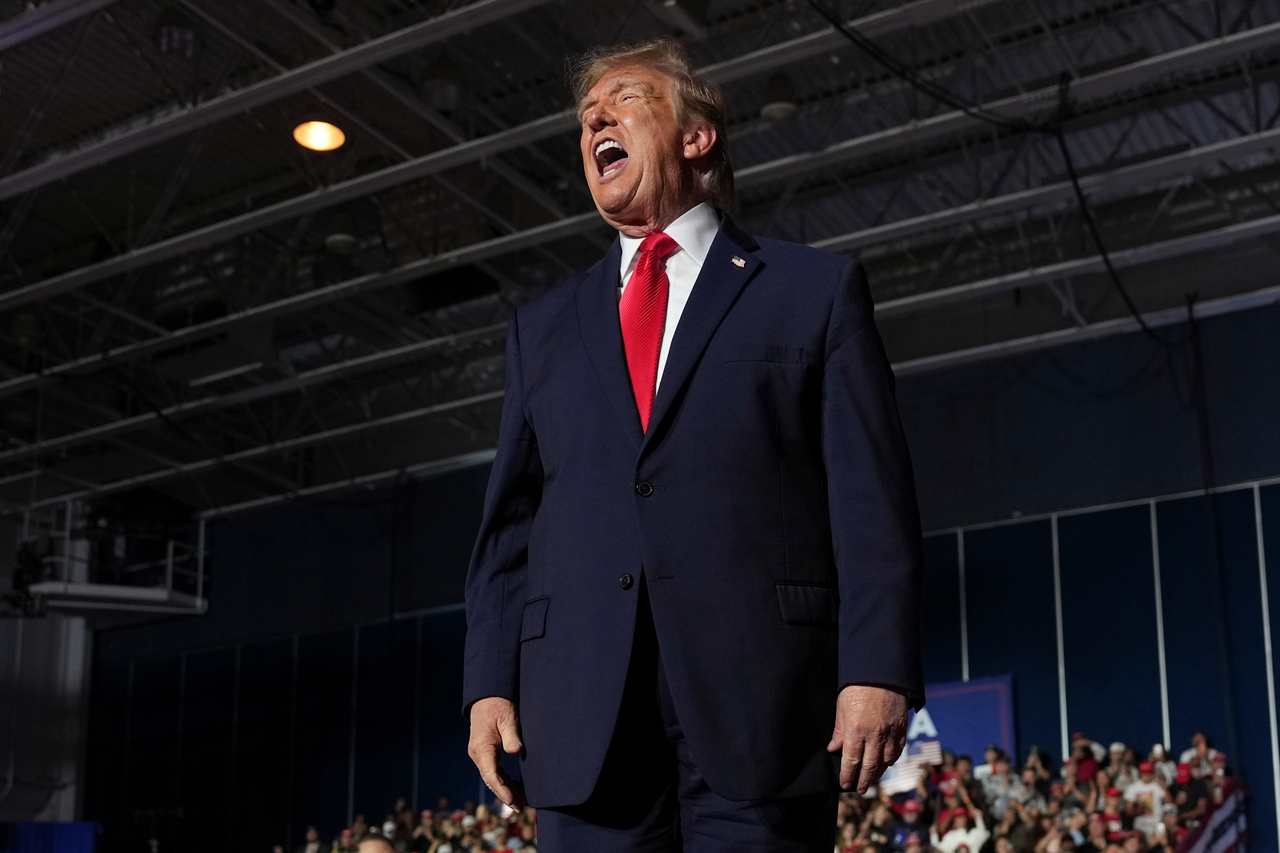
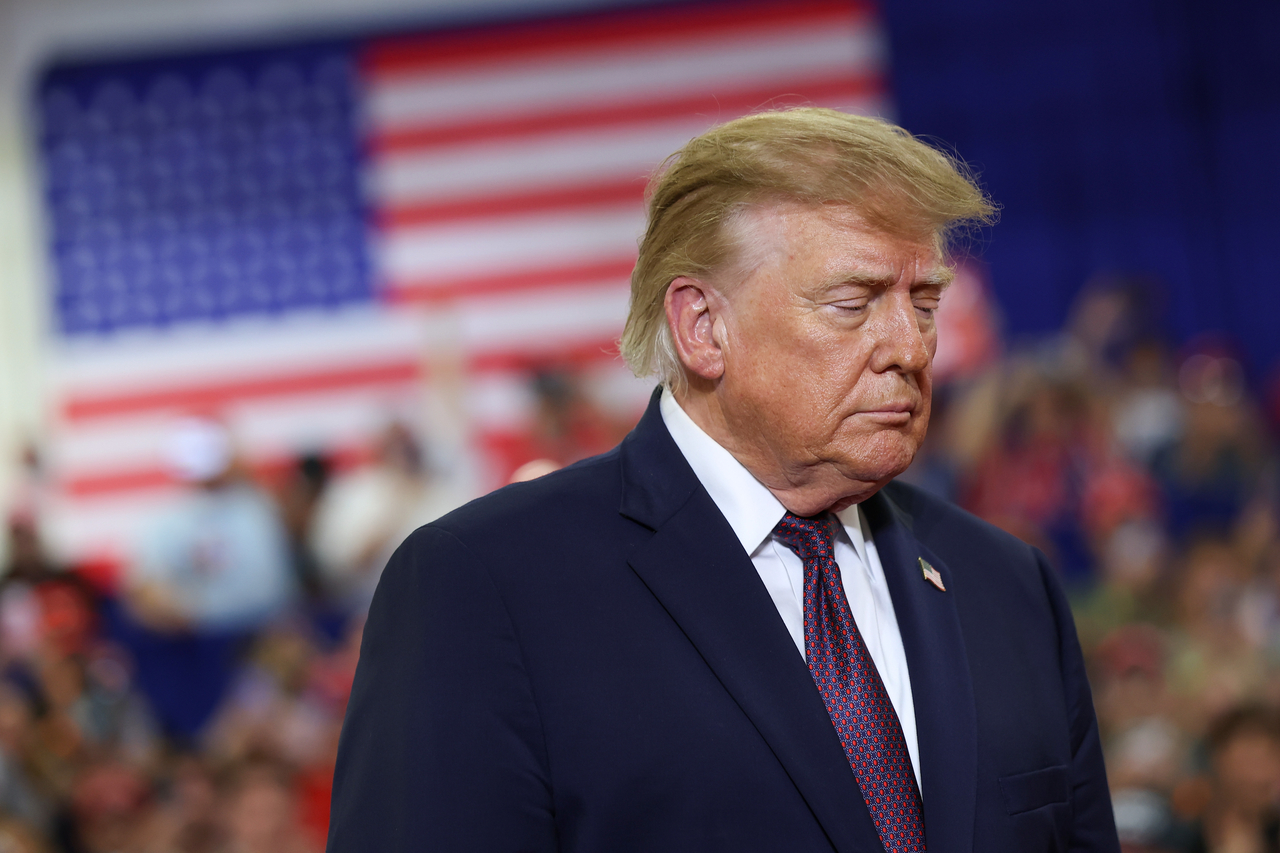
US President Donald Trump uses profanity and extreme language more frequently than he did when he first ran for president a decade ago, and his remarks have grown more rambling and incoherent, according to a new analysis. The New York Times reported Sunday (local time) that as Trump, now 80, campaigns across the country ahead of Tuesday's midterm elections, the shift in his speaking style is reigniting debate over his age and cognitive fitness.
The Times used AI to analyze Trump's speeches, rallies, social media posts, interviews and remarks at public meetings — comparing statements from his first presidential campaign in 2015, when he was 69, through Thursday. The findings showed that his public speech has grown coarser, more unrestrained and less coherent than it was 10 years ago.
The most striking change is in profanity and crude language. Trump used roughly 6 instances of profanity per 10,000 words a decade ago; that figure climbed to 14 in 2024 and to about 15 in his second term. The Times said the pattern is consistent with "disinhibition" — a phenomenon in which the ability to suppress impulses and restrain speech weakens with age.
Rambling has also increased. The frequency with which Trump veers off topic into lengthy or disjointed tangents during rallies and speeches is 2.5 times higher in his second term than it was during the 2016 campaign, though it is roughly on par with 2024. The use of absolute expressions — "always," "never," "everything," "totally" — that allow for no exceptions has also risen 19 percent in second-term rallies compared with a decade ago.
Experts say black-and-white thinking is one of the traits that can accompany aging or cognitive decline, though they caution that linguistic patterns alone are not sufficient to assess an individual's cognitive health.
Similar moments have surfaced on the campaign trail. At a recent rally in Greenville, North Carolina, Trump brought up the Willie Horton case — which damaged Democratic presidential candidate Michael Dukakis in 1988 — and then raised the same story again roughly 30 minutes later before the same crowd, repeating some of the same phrases. On both occasions, he got the facts of the case wrong.
Inflammatory remarks have continued as well. Referring to construction sites without safety barriers, Trump said only Hispanic workers could survive such falls. He said he wanted to ban immigrants from Norway because the country had not given him a Nobel Prize. He said he did not "care at all" if he appeared to value oil company profits over struggling workers. He also mispronounced the Strait of Hormuz, calling it the "Hormone Strait."
Ahead of Tuesday's midterm elections, Trump told supporters to "cheat like hell" and said people who leak military secrets "should be shot." He also repeatedly made comments praising men's physiques.
The Times said Trump, who was never bound by traditional presidential norms, now makes statements in public that no previous president would have made openly. His conduct at fall rallies and at the White House has renewed questions about his age, cognitive fitness and mental stability. Trump himself at times appears surprised by his own words and the crowd's enthusiastic response. At a recent rally in Clarksville, Tennessee, he told supporters, "Even if I say the dumbest thing in the world, you're going to clap" — then added, "But we say things that make sense."
Provocative rhetoric has long been Trump's trademark. He calls his stream-of-consciousness style of weaving between topics "the weave" and has described it as a superior form of communication. But the Times found the technique has grown increasingly convoluted and disjointed. Former Republican Rep. Francis Rooney of Florida said Trump "always did, but now much more so, says stupid things and outrageous, offensive things," adding, "I've never seen a president use language like this."
Some things have not changed. Trump's vocabulary level and the reading difficulty of his remarks showed little variation over the decade. His speech consistently tested at a fourth- to fifth-grade reading level — compared with an average of roughly eighth grade for modern US presidents.
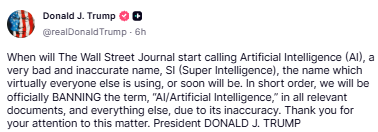
Trump's public schedule has shrunk compared with his first term. He averaged 2.1 public events per weekday during his first term but just 1.3 in his second. His average daily online posts, however, rose from 13 in 2016 to 21 in his second term — though that is down from a daily average of 34 in 2024. Trump, who is known to stay up late, posted 30 percent of his nighttime content between midnight and 5 a.m., and on 240 occasions posted 10 or more items within a single hour.
mokiya@heraldcorp.com