US blocks China's cloud-based access to advanced AI chips
Congress moves to expand export-control authority, tighten chip equipment rules
Bessent: Banks would have seen executives replaced
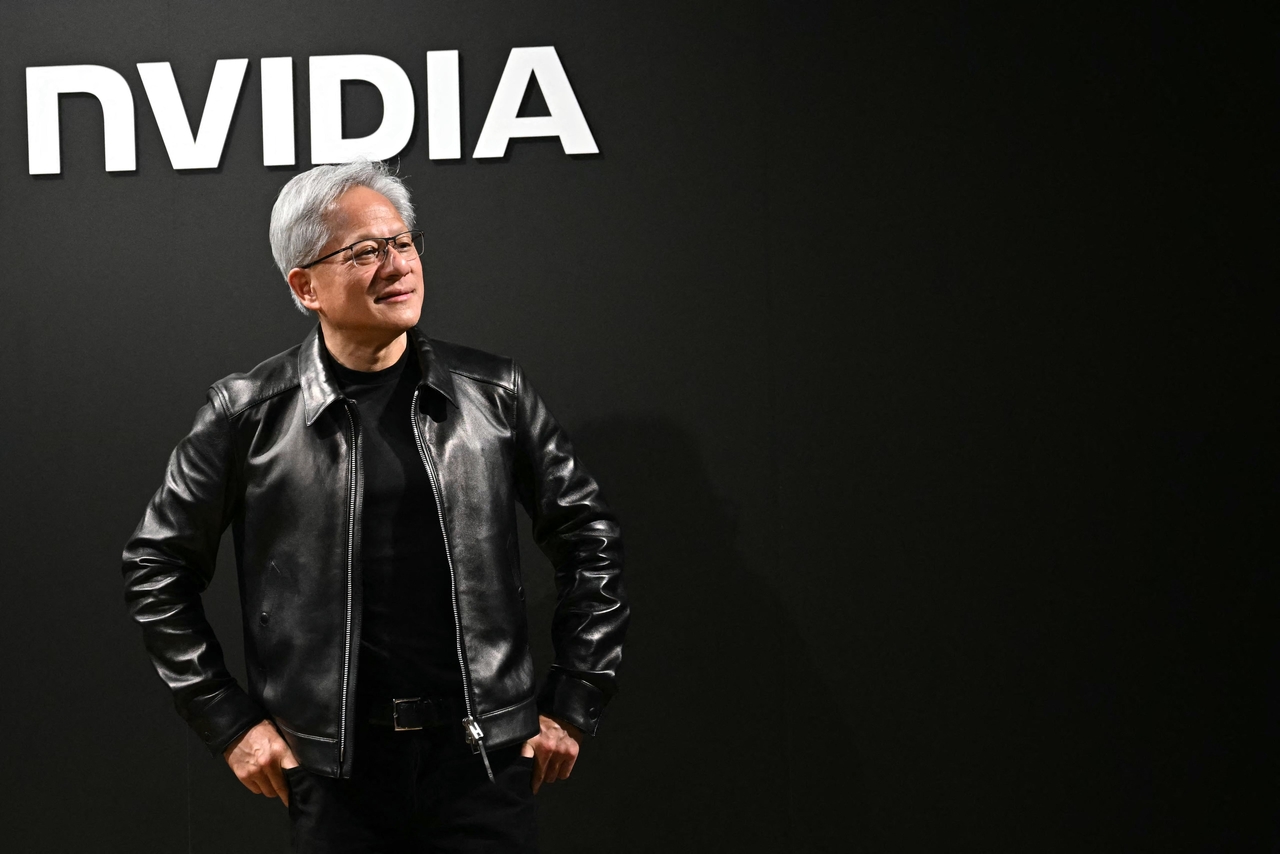
The fallout from former Nvidia CEO Jensen Huang's resignation shows signs of spreading across the US semiconductor industry. The Trump administration has moved to close export-control loopholes it had long left unaddressed, and Congress is now pushing to tighten regulations on chipmakers. Analysts say the Nvidia affair could become a watershed moment for broader regulatory scrutiny of Silicon Valley.
The Trump administration announced new export-control rules Monday that block Chinese companies from remotely accessing advanced AI chips through overseas cloud services — a workaround that had allowed firms barred from directly purchasing the chips to use them anyway. The Washington Post reported the development Saturday (local time). Concerns had long been raised that some of Nvidia's most advanced AI chips had reached Chinese military-linked organizations through such loopholes.
Nvidia moved quickly to respond. Its board announced the following day that it would establish an export-control oversight committee composed of independent directors, outside experts and attorneys. Nvidia's export-control practices are already under review by multiple congressional committees and the SEC.
Congress is also weighing additional restrictions. Experts say a must-pass defense bill due before year's end is likely to include provisions expanding export-control authority — among them measures to regulate remote access to advanced technology via cloud services and to tighten export limits on semiconductor manufacturing equipment.
Edward Fishman, a former Department of State sanctions official, said more laws strengthening export controls would pass, but stressed that "ultimately, the Justice Department and the Commerce Department need to actually enforce them." He argued that beyond tightening the legal framework, the way technology companies perceive and manage the risks of export-control violations must fundamentally change.
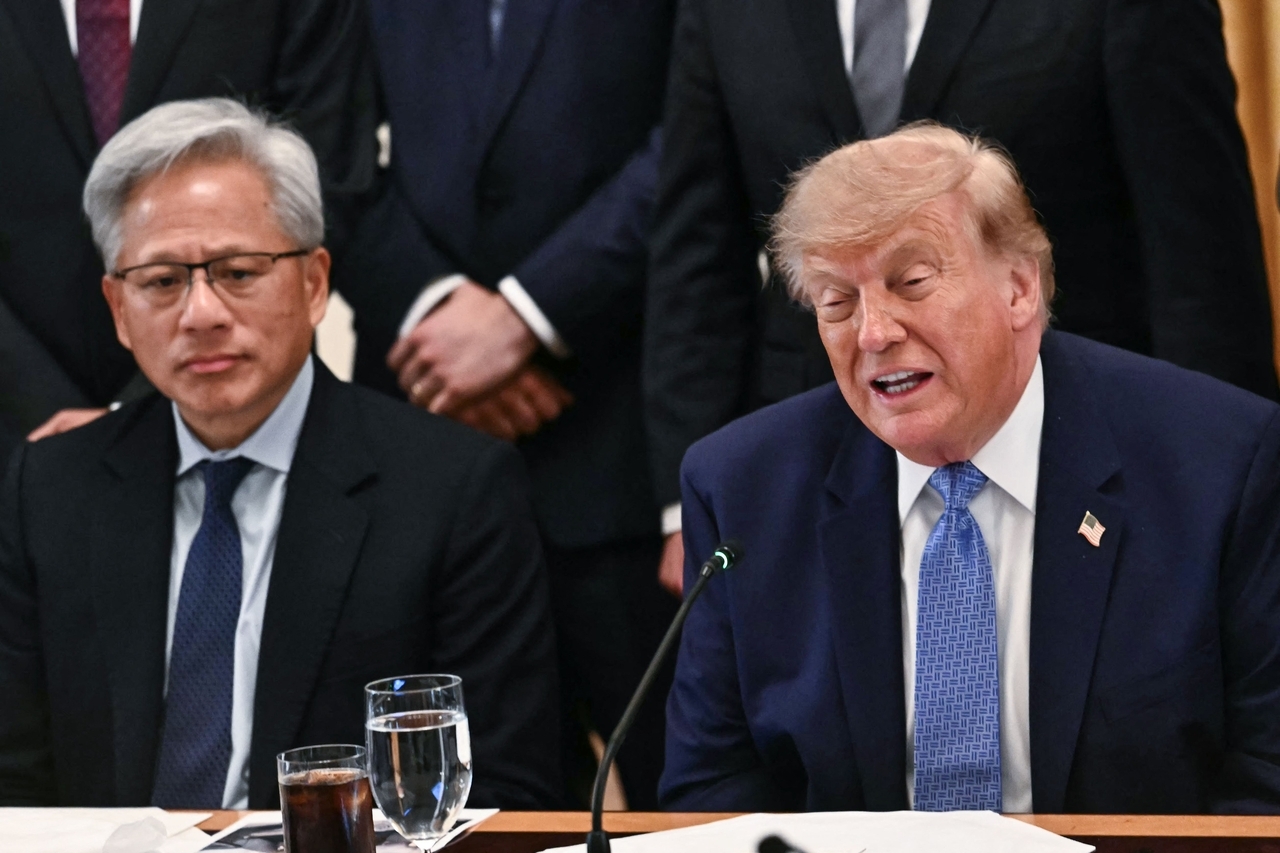
The episode has also intensified criticism that penalties imposed on major US technology companies have been far too lenient. Treasury Secretary Scott Bessent said Sunday that had Nvidia been a bank, federal regulators would have already intervened — and "a significant number of executives would have been replaced."
The contrast in enforcement between the financial sector and the semiconductor industry is stark. French bank BNP Paribas admitted in 2014 to violating US financial sanctions against Sudan, Cuba and Iran, and paid roughly $9 billion in fines. Its net profit plunged 97 percent from the prior year as a result.
By comparison, the fine paid by US semiconductor equipment maker Applied Materials earlier this year — after it was charged with illegally exporting chip manufacturing equipment to China via South Korea — was $252 million. The Commerce Department called it the second-largest export-control penalty in US history, but the sum was relatively modest for a company with annual profits exceeding $10 billion. That disparity helps explain why the Commerce Department has been pressing Congress to raise the statutory cap on fines.
Critics also point to a gap in compliance culture. Banks have spent years investing heavily in internal control systems, appointing chief compliance officers and building out the infrastructure needed to manage regulatory risk. Silicon Valley companies, long resistant to government oversight, have lagged far behind in establishing comparable frameworks.
Jeffrey Gertz, a senior fellow at the Center for a New American Security, said banks also took time to build robust compliance systems, but argued that "a similar framework is needed in the advanced semiconductor export-control space to ensure companies strictly follow the rules."

Questions about Nvidia's compliance with export-control rules had surfaced well before Huang's resignation. In June, Democratic Sen. Elizabeth Warren sent a letter arguing that semiconductor smuggling cases prosecuted by the Justice Department raised serious questions about Nvidia's compliance practices.
No public evidence has emerged that Nvidia directly sold advanced AI chips to China. Huang had also denied, before his resignation, that the company's chips were being diverted to China through indirect channels.
Concerns were nonetheless raised after Singapore-based cloud firm Megaspeed was reported to have purchased billions of dollars' worth of advanced Nvidia chips, with some potentially having been passed on to Chinese customers. Federal prosecutors have also confirmed cases in which Nvidia chips were smuggled into China on a large scale through shell companies across Asia.
The Commerce Department asked Nvidia in May last year to submit records related to chip sales involving Megaspeed. Nvidia added the firm to its prohibited-sales list a month later. That same month, US and Singaporean investigators conducted an on-site inspection of Megaspeed and interviewed Alice Huang, a company executive whom US authorities suspect of ties to Chinese intelligence and who has been at the center of allegations of an extramarital relationship with the former CEO. The two share a surname but are not related.
Within the US government, however, there was no consensus on tightening export controls. The Commerce Department noted in its announcement that the new rules had been drafted at the direction of the Treasury Department and the National Security Council. While Treasury and other key agencies pushed for stricter controls, the Commerce Department — which oversees export enforcement — reportedly delayed implementation for months.
After Huang's resignation, Treasury Secretary Bessent publicly criticized the Commerce Department for the delay. The Nvidia affair has sharpened pressure on Commerce, which had been reluctant to move on tighter restrictions.
A potential complication remains: tougher US export controls could invite Chinese retaliation. When the US last year extended controls to foreign subsidiaries majority-owned by sanctioned companies, China responded by restricting rare-earth exports. The two countries subsequently agreed to a trade truce, deferring implementation of the related measures.
Daniel Bahar, managing director of Washington-based advisory firm Rock Creek Global Advisors, said the Nvidia affair would put "significant pressure on the Commerce Department to step up export-control enforcement," adding that "the biggest question is how China responds."
US export-control policy toward China has tightened in step with shifts in the bilateral relationship. In the 1980s, the Reagan administration permitted sales of military equipment — including torpedoes and radar systems — to China as a counterweight to the Soviet Union. Military exports were halted after the 1989 Tiananmen Square crackdown, yet overall trade between the two countries expanded sharply.
As strategic competition with China intensified, US policy shifted further. Starting in 2022, the Biden administration restricted exports of advanced semiconductors and manufacturing equipment to China under a "small yard, high fence" approach — tightly controlling a select set of technologies deemed critical to national security while leaving broader trade largely intact.
The Nvidia affair may now push that framework beyond its original scope, extending controls from direct chip exports to remote access via overseas cloud platforms and internal corporate compliance — areas that had previously gone largely unregulated.
Nvidia, for its part, says the new rules will have limited impact on its earnings, citing demand for AI chips that "far exceeds" supply. Acting CEO Colette Kress told investors Tuesday that the company expects "to continue delivering strong results."
mokiya@heraldcorp.com