KDB played a key role in reshaping the aviation industry during the COVID-19 pandemic
Bank took equity stake — not just loans — to anchor the restructuring
Its 10% holding in Hanjin Kal could prove decisive in the control dispute
KDB expected to retain its stake even after the integrated Korean Air launches
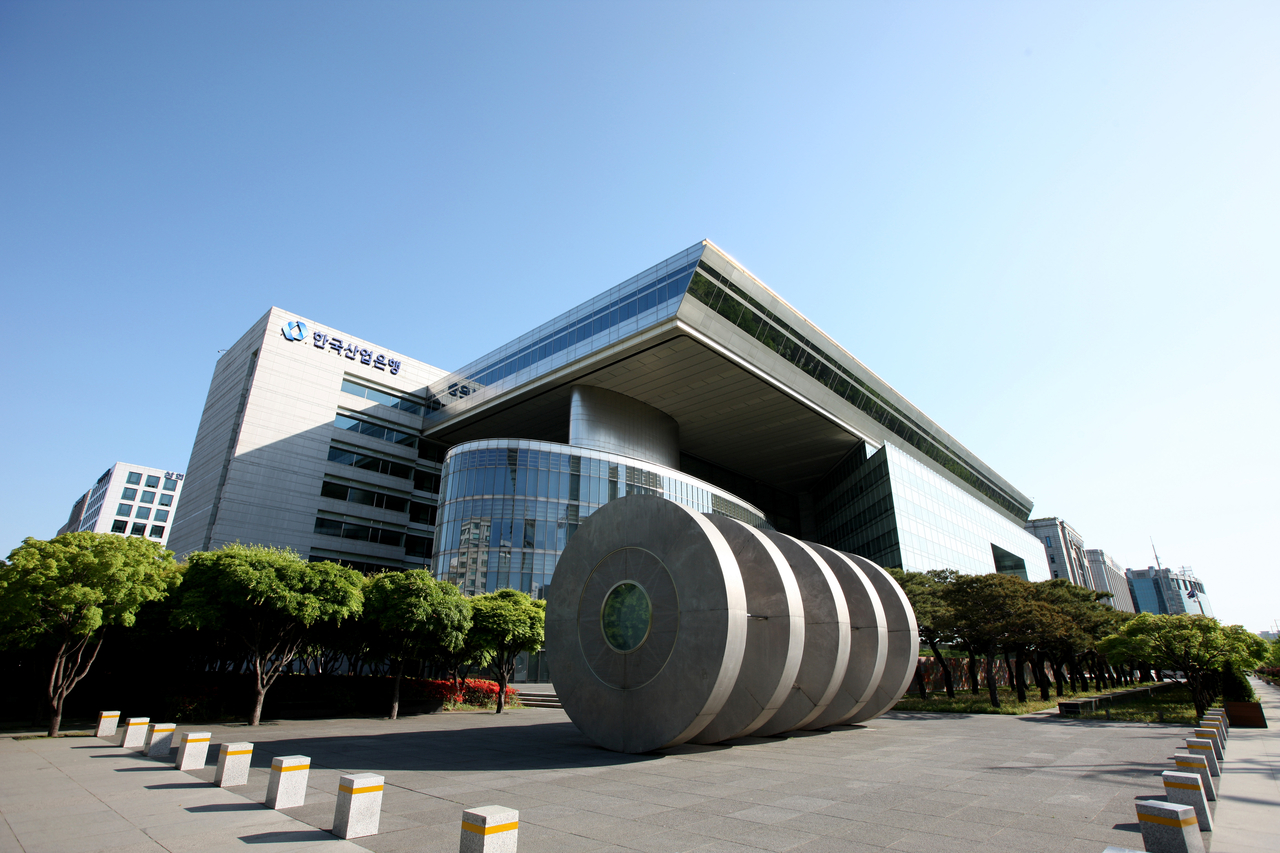
As Hoban Group's additional purchase of Hanjin Kal shares reignites a battle for control with Hanjin Group Chairman Cho Won-tae, Korea Development Bank — which holds more than 10 percent of Hanjin Kal — is finding itself at the center of attention once again. KDB acquired its Hanjin Kal stake during the COVID-19 crisis to rescue the domestic aviation industry, and it now stands at another inflection point that could determine the sector's future.
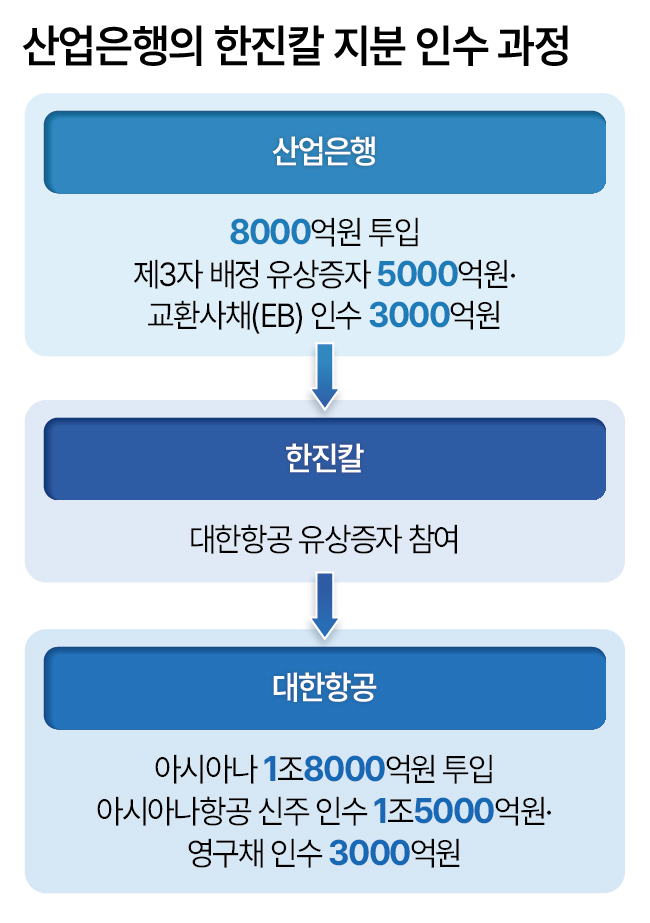
According to financial industry sources Tuesday, KDB injected 800 billion won ($597 million) into Hanjin Kal in November 2020. Of that, 500 billion won went toward a third-party allotment rights offering, while the remaining 300 billion won was used to acquire exchangeable bonds backed by Korean Air shares.
With those funds, Hanjin Kal participated in a roughly 2.5 trillion won rights offering by Korean Air, which in turn used the capital raised to put 1.8 trillion won toward its acquisition of Asiana Airlines.
KDB stepped in as COVID-19 savior, becoming key architect of aviation restructuring
KDB's 800 billion won injection into Hanjin Kal came as the prolonged COVID-19 pandemic sharply curtailed travel demand, pushing domestic carriers into severe financial distress.
With massive public funds already committed to both Korean Air and Asiana Airlines, the added shock of COVID-19 fueled widespread concern — across government and industry alike — that further support would amount to pouring water into a bottomless jar.
Against that backdrop, merging the two carriers emerged as an alternative. The thinking was that launching a single national carrier with global competitiveness would achieve economies of scale, improve profitability and strengthen the country's standing in international markets. The plan also envisioned a broader restructuring of the aviation sector, including the low-cost carriers under each airline. KDB stepped up as the instrument to carry out that government vision.
What made the move particularly notable was KDB's choice of an equity stake over conventional financial support. While working-capital loans provide only temporary liquidity relief, becoming a direct shareholder would allow KDB to engage in governance and ensure the policy goal of aviation restructuring was actually carried out.
At the time, KDB said it needed to "participate as a direct shareholder of Hanjin Kal to faithfully support the successful implementation of the restructuring and serve as a watchdog for sound and ethical management."
KDB's 10% stake puts it at another crossroads — but an immediate sale looks unlikely
With Hoban Group's additional share purchases raising the prospect of it becoming Hanjin Kal's largest shareholder, attention is turning once more to KDB, which played a pivotal role in the earlier aviation restructuring.
Chairman Cho announced Monday a plan to acquire an additional 0.48 percentage point stake in Hanjin Kal. Once completed, the combined holdings of Cho and his allied shareholders would rise from 20.57 percent to 21.05 percent.
The move followed earlier reports that Hoban Group's additional purchases had pushed its stake slightly above the combined total held by Cho and his allies.
Market observers generally believe an immediate shift in the control structure is unlikely, given that Cho's allied shareholders include Delta Air Lines and other related parties. Even so, the market is watching closely what KDB — which holds a 10.58 percent stake — will do next. As an institution that effectively represents the government's position, how KDB handles its shares could tip the balance.
With the merger of Korean Air and Asiana Airlines expected to be completed by year-end, marking the formal conclusion of the aviation restructuring, industry watchers have long speculated that KDB would move to sell its Hanjin Kal stake.
However, even after the merger closes, an immediate disposal of KDB's stake is unlikely. Selling to either side would expose the bank to accusations of picking a winner in the ownership dispute. Such a move could also undermine the credibility of KDB's stated commitment to aviation restructuring, and the bank would need to assess how the integrated carrier and the low-cost carrier reorganization play out. A government official said KDB "does not need to put itself at the center of controversy" and that "it does not appear likely to decide on the direction of the stake disposal anytime soon."
When KDB acquired its Hanjin Kal stake in 2020, it also rejected claims that the move was designed to protect Chairman Cho's control, saying it "understands better than anyone the significance and importance of a fundamental restructuring of a key national industry as a policy financial institution, and bears responsibility for it." On Monday, in response to questions about how it would handle its Hanjin Kal stake following Hoban Group's additional purchases, KDB said it had "no plan to sell until the aviation industry restructuring is complete."
hyuk@heraldcorp.com