People's Bank of China to lift foreign-currency deposit reserve ratio by 2 percentage points from Nov. 15
First adjustment in 3 years and 2 months since September 2023
Yuan up more than 5% this year; authorities move to slow the pace
Yuan falls 0.37% immediately after announcement
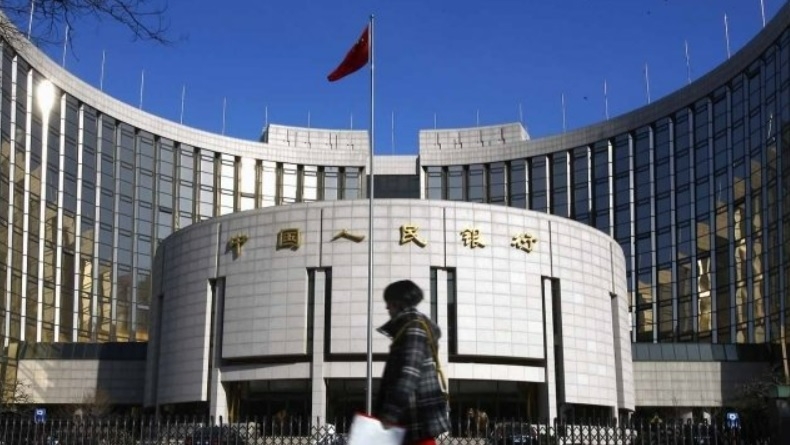
China's central bank will raise the foreign-currency deposit reserve ratio for financial institutions for the first time in more than three years, moving to rein in the yuan's sharp appreciation. The People's Bank of China announced the measure after the yuan strengthened more than 5 percent against the dollar this year, aiming to reduce dollar liquidity in the market and stabilize the exchange rate. The move is estimated to absorb about $24 billion in foreign-currency funds from financial markets.
According to state-run Xinhua News Agency, the People's Bank of China will raise the foreign-currency deposit reserve ratio for financial institutions by 2 percentage points — from the current 4 percent to 6 percent — effective Nov. 15.
The central bank said the measure was intended "to strengthen financial institutions' management of foreign-currency liquidity."
The foreign-currency deposit reserve ratio is the share of foreign-currency deposits that banks and other financial institutions are required to hold with the central bank. A higher ratio reduces the amount of foreign-currency funds, such as dollars, that banks can freely deploy.
By shrinking the supply of dollars in the market, the measure can raise the relative value of the dollar and ease the pace of the yuan's rapid appreciation.
China last adjusted the foreign-currency deposit reserve ratio in September 2023 — more than three years ago. At the time, the People's Bank of China cut the ratio from 6 percent to 4 percent to counter yuan weakness.
Raising the ratio marks the first such move since December 2021, about five years ago. Unlike then, the central bank has now shifted policy in the opposite direction — tightening the ratio to curb yuan strength rather than support it.
The yuan has been on a strengthening trend in recent months, buoyed by China's robust exports and a large trade surplus.
According to Reuters, the yuan has risen more than 5 percent against the US dollar this year, posting one of the highest gains among major Asian currencies.
Demand from Chinese companies to convert foreign-currency holdings into yuan has also been cited as a factor supporting the currency's strength. Analysts say export companies converting dollar earnings into yuan have increased demand for the currency, adding downward pressure on the exchange rate.
Chinese authorities must also weigh the risk that an excessively rapid rise in the yuan could weigh on the price competitiveness of export companies.
The reserve ratio increase is seen as a move to drain dollar funds from the market and moderate the pace of the yuan's appreciation.
Reuters estimated the measure would absorb about $24 billion in foreign-currency liquidity from China's financial markets.
The yuan weakened in foreign-exchange markets following the People's Bank of China's announcement.
In China's onshore foreign-exchange market, the yuan fell as much as 0.37 percent against the dollar to 6.6728 yuan per dollar — its lowest level since Oct. 23.
However, some market observers say the measure may help slow the yuan's rapid rise but is unlikely to reverse the broader strengthening trend.
That is because the factors underpinning yuan strength — including China's trade surplus and corporate demand for foreign-currency conversion — remain firmly in place.
With Chinese authorities deploying the foreign-currency reserve ratio as a policy tool, attention is now turning to how the yuan's exchange rate will move and whether additional measures to stabilize the foreign-exchange market may follow.
sjy@heraldcorp.com