GC Biopharma wins 170 billion won low-interest loan for US-bound 20% SCIG production and clinical trials; direct biotech approvals reach 825 billion won across five companies; Alteogen's 200 billion won indirect investment counted separately
The National Growth Fund, a policy finance vehicle established by the government and financial sector to nurture advanced strategic industries, is channeling large-scale funding into the domestic biotech sector's core production infrastructure and drug development pipelines.
Starting with Btigen (formerly STgen Bio) as its first biotech recipient in April, the fund has since extended support to SK Bioscience, LigaChem Biosciences, Kyongbo Pharmaceutical and now GC Biopharma — each cleared by the fund's investment review committee — pushing the cumulative total of directly approved biotech support to more than 800 billion won ($597 million).
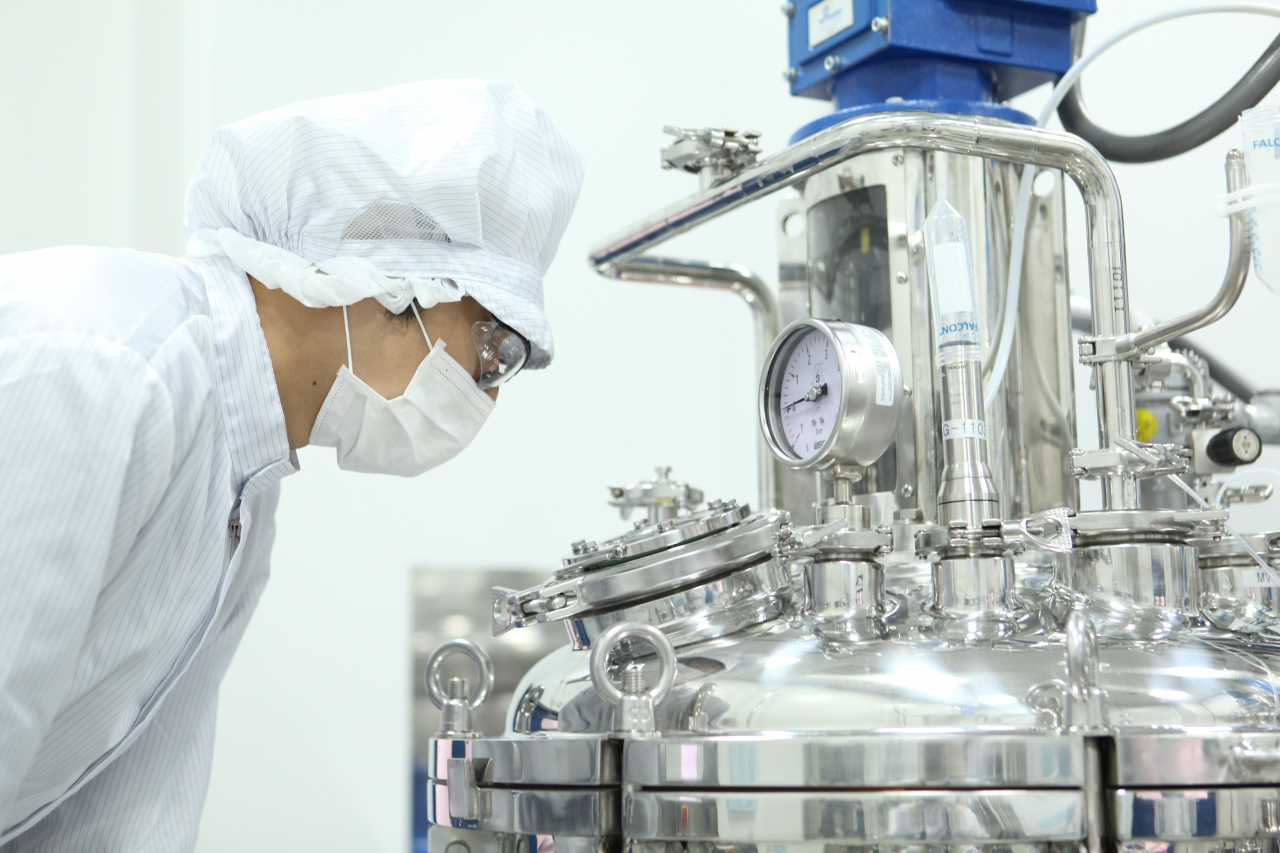
According to financial regulators and the Korea Biotechnology Industry Organization, the fund's investment review committee approved Thursday a 170 billion won low-interest loan for GC Biopharma, which is building next-generation blood product manufacturing capacity at its Ochang factory in Cheongju, North Chungcheong Province, and advancing US clinical research and development. The loan, drawn from the Advanced Strategic Industry Fund, covers 170 billion won of the project's total cost of 210 billion won.
GC Biopharma said it will direct the funds toward a global Phase 3 trial of a high-concentration 20% subcutaneous immunoglobulin (SCIG) targeting the US market and toward building production facilities at the Ochang factory. The company aims to submit an investigational new drug application to the US Food and Drug Administration next year.
GC Biopharma received FDA approval for its domestically developed intravenous immunoglobulin Alyglo in 2023 and surpassed $100 million in exports in 2025.
Demand for subcutaneous formulations — which offer greater patient convenience — has been rising in the US immunoglobulin market, yet only three 20% high-concentration subcutaneous products are currently available there. GC Biopharma plans to diversify its portfolio through this investment and capture a larger share of the US market, valued at around 20 trillion won.
With this latest decision, the National Growth Fund's direct biotech portfolio now spans biosimilar and antibody-drug conjugate (ADC) contract development and manufacturing (CDMO), premium vaccine development, ADC innovative drug research and development, and blood product infrastructure.
The fund made its first biotech commitment on April 30, approving an 85 billion won long-term, low-interest loan — 65 billion won from the Advanced Strategic Industry Fund and 20 billion won from Korea Development Bank — for Btigen, a biosimilar CDMO. The financing supports expansion of drug substance and drug product manufacturing at Btigen's factory in Songdo, Incheon, in preparation for increased US supply of its ustekinumab biosimilar Imuldosa.
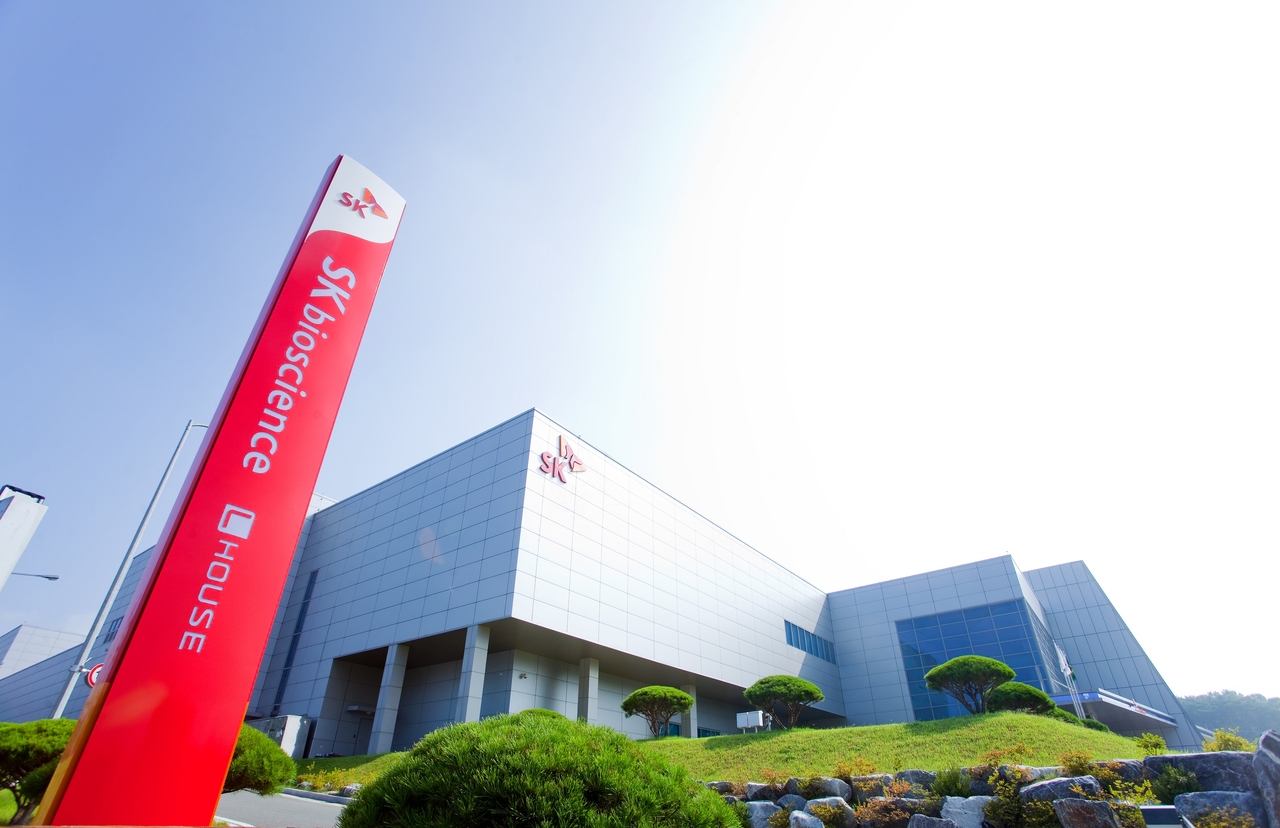
On May 28, the committee approved a 300 billion won low-interest loan for SK Bioscience — 250 billion won from the Advanced Strategic Industry Fund and 50 billion won from Korea Development Bank — to fund global Phase 3 clinical research and development for a 21-valent pneumococcal vaccine being co-developed with France's Sanofi, as well as expansion of SK Bioscience's vaccine factory in Andong, North Gyeongsang Province.
On June 25, the committee approved the fund's first direct equity investment in a listed company in the biotech sector, committing 250 billion won of a 500 billion won capital raise by ADC drug developer LigaChem Biosciences through a third-party allotment and convertible bonds. LigaChem Biosciences said the proceeds would allow it to conduct late-stage clinical trials in-house for its highest-priority pipeline assets while maintaining its existing licensing-out strategy. On Aug. 27, the committee approved a 20 billion won low-interest loan for Kyongbo Pharmaceutical to build dedicated ADC CDMO facilities.
Including Thursday's approval of 170 billion won for GC Biopharma, the total directly approved by the investment review committee for individual biotech companies now stands at 825 billion won, surpassing the 800 billion won mark. That figure includes 70 billion won in Korea Development Bank matching funds tied to loan commitments; stripping those out, the pure Advanced Strategic Industry Fund component amounts to approximately 755 billion won (assuming Kyongbo Pharmaceutical's 20 billion won is funded entirely from the Advanced Strategic Industry Fund).
Alteogen represents a separate case of indirect investment through a delegated fund manager. In October, Alteogen raised a total of 200 billion won through a project fund formed by Skylake, a large-league general partner, which matched contributions from the National Growth Fund. Unlike the direct support portfolio — where the government's review committee identifies individual companies and decides on loans or equity investments — this was an indirect investment executed at the fund manager's discretion.
The National Growth Fund is drawing recognition as a national strategic anchor that goes beyond simple financial reinforcement to support the build-out of global commercialization facilities and the advancement of late-stage clinical programs — a form of supply tailored to the biotech industry's need for large capital outlays and long development timelines, some analysts say.
GC Biopharma, the latest recipient, had already secured proceeds from the sale of its stake in Curevo and an upfront payment from a licensing deal for its Fabry disease treatment. The low-interest loan will allow the company to supplement those resources as it builds production capacity and funds clinical trials for the US market.
"Being selected as a National Growth Fund recipient is recognition of our global business capabilities," GC Biopharma Chief Executive Heo Eun-cheol said. "We will complete our immunoglobulin portfolio — covering both intravenous and subcutaneous administration — by adding the 20% SCIG to our existing Alyglo franchise."
silverpaper@heraldcorp.com