Combining health checkup, genomic and wearable data
Clinical trial of 50 participants aims to support personalized health management
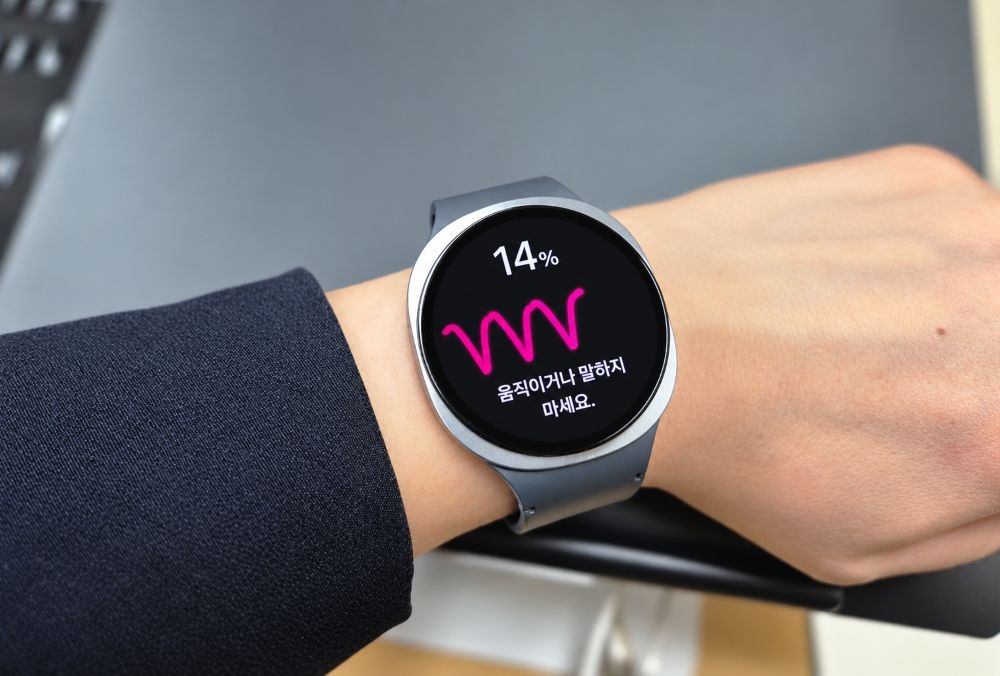
Seoul St. Mary's Hospital has begun clinical validation of a mobile app that uses AI and wearable devices to predict chronic kidney disease risk. The technology integrates health checkup results, genomic data and daily health metrics to assess disease risk and provide personalized health management support.
Catholic University of Korea Seoul St. Mary's Hospital announced Wednesday that a research team led by Lee In-seok, a professor in the gastroenterology department, has launched a clinical validation study to evaluate the effectiveness of the AI-based chronic kidney disease risk prediction app.
The research is part of the "AI-Based Personalized Care Service Convergence Leading Project," funded by the Ministry of Science and ICT and the Institute for Information and Communications Technology Planning and Evaluation. The project aims to develop AI technology that analyzes individual health conditions and lifestyle habits to predict the onset and progression of disease.
Central to the approach is what the team calls "phenome data" — a comprehensive picture of a person's biological characteristics and health status shaped by the interaction between genetic information and environmental factors. The data encompasses clinical measurements such as blood pressure and blood sugar levels, as well as lifestyle information including medical history, sleep patterns and physical activity.

The research team is developing an AI model that links electronic medical records from multiple hospitals with health checkup data, then combines that with genomic analysis and wearable-collected metrics — including physical activity, sleep and heart rate — to predict disease risk.
Conventional disease risk prediction models focus on calculating the likelihood of illness based on a patient's health status at a single point in time. The technology under development, by contrast, continuously incorporates changes in an individual's health condition and lifestyle to also deliver personalized health management guidance.
To that end, activity, sleep and heart rate data collected via Samsung Electronics' Galaxy Watch are analyzed on an AI patient health platform called PHAIR. The app provides chronic kidney disease risk assessments alongside personalized coaching features designed to help users improve their lifestyle habits.
The system also employs federated learning technology, which allows multiple hospitals to jointly train an AI model without directly sharing patient data.
The research team began clinical validation in October, recruiting 50 participants who will use the mobile app and wearable device for three months. At the three-month mark, kidney function will be assessed through follow-up blood tests.
The full study runs for six months. The team plans to evaluate the app's usability, user satisfaction and overall utility to determine whether it can serve as a practical health management tool in everyday life.
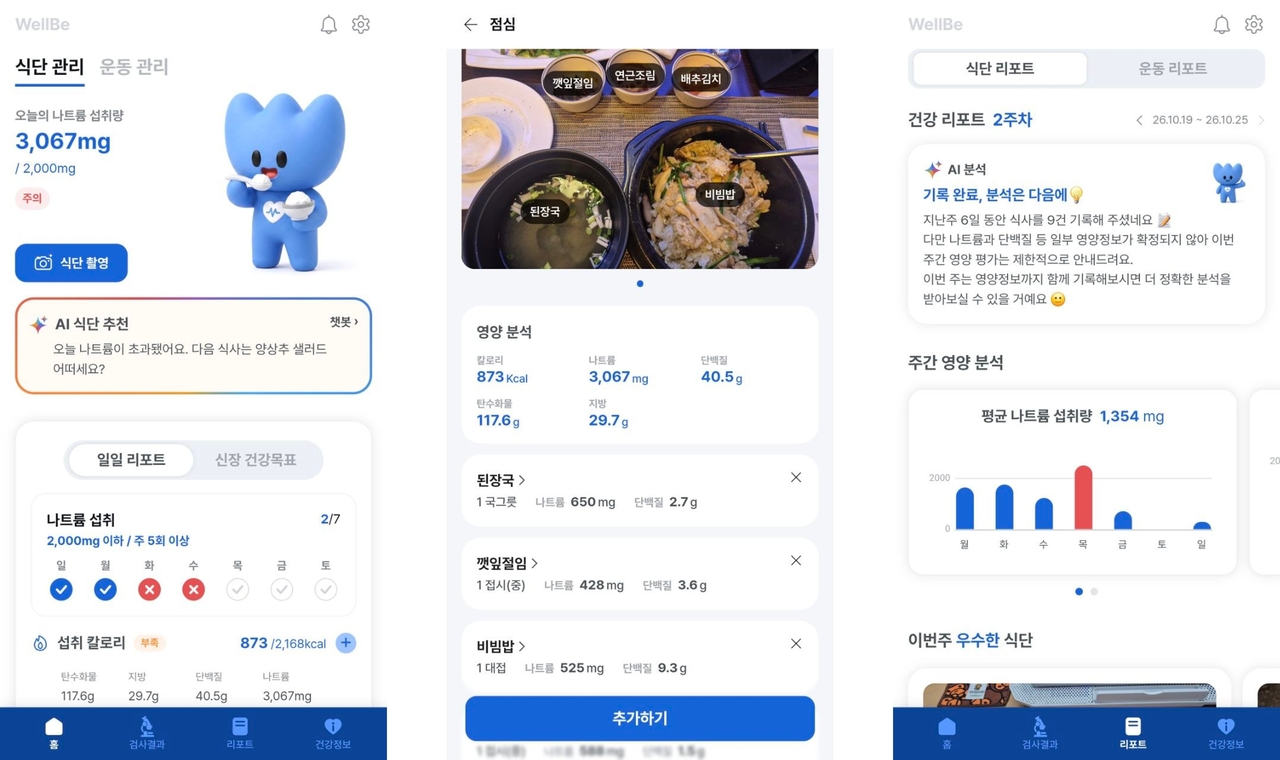
The study involves Seoul St. Mary's Hospital, Catholic University of Korea's Department of Medical Informatics, Digital Farm and Pyeonghwa Is. The Department of Medical Informatics is responsible for developing AI models to predict the risk of chronic kidney disease and lung cancer, while Digital Farm handles AI analysis and platform operations.
"This research examines whether AI and wearables can deliver the kind of continuous risk monitoring and feedback that outpatient care alone has struggled to provide — and tests that in a real clinical setting," Lee said. "We hope this study will help connect advanced technology to patient-centered care, reducing suffering and improving quality of life."
Meanwhile, Seoul St. Mary's Hospital signed an MOU in June with Asan Medical Center, the National Cancer Center, Chung-Ang University Hospital and Konkuk University Hospital to strengthen cooperation on medical AI. As part of a medical data hub hospital support project, the participating institutions agreed to pursue AI model performance validation using real clinical data, application in clinical settings and expanded collaboration with industry partners.
woo@heraldcorp.com