Iran war drives fuel prices sharply higher
Democrats press hard on healthcare costs
AI data center electricity bills spark backlash
Immigration crackdowns and corruption allegations add to electoral uncertainty
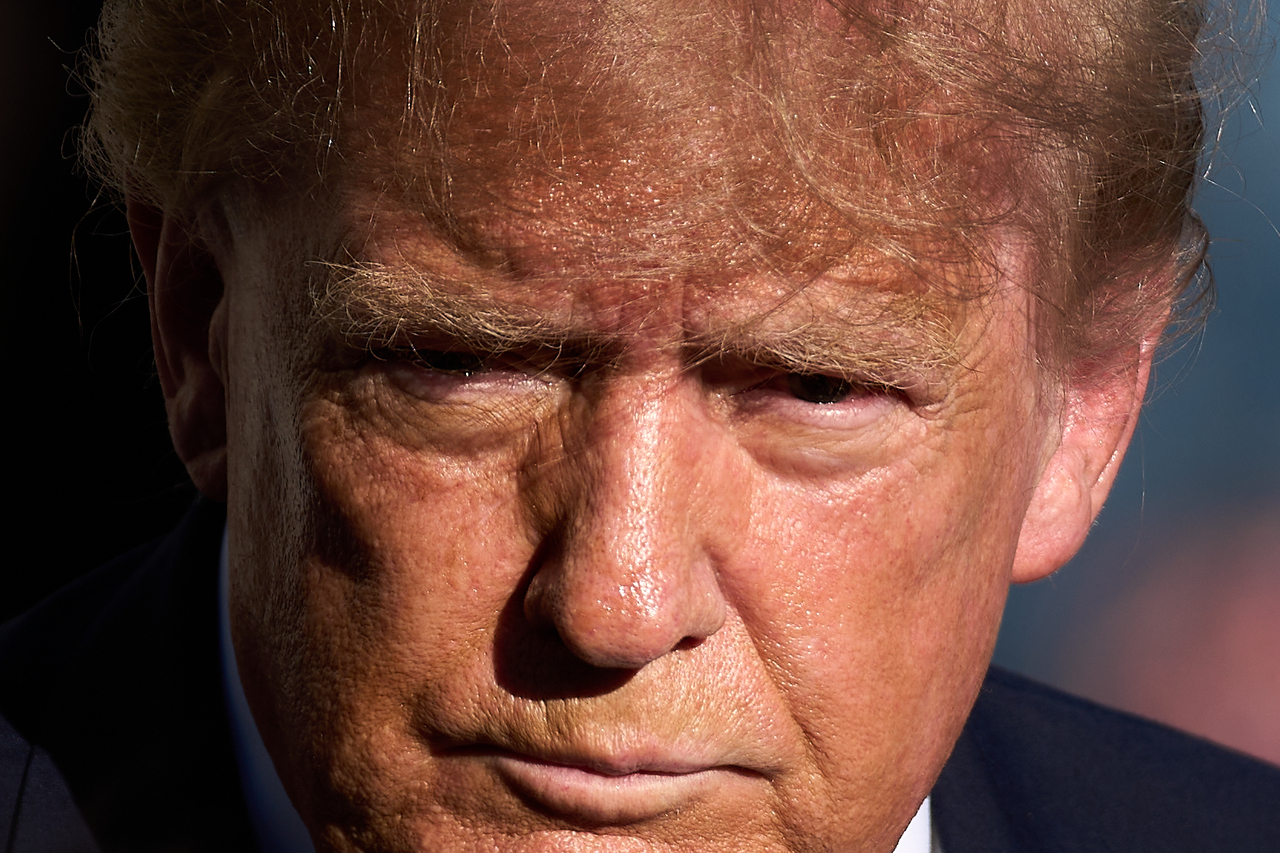
With the US midterm elections set for Tuesday, the issues shaping voter sentiment have grown increasingly varied — from soaring energy prices driven by the Iran war to the electricity demands of AI data centers. The cost of living, including gasoline and healthcare, has emerged as the dominant concern, while immigration enforcement and government corruption allegations have added further pressure on President Donald Trump's second term.
Bloomberg identified the cost of living, the Iran war, healthcare costs, AI data centers, and immigration and government corruption as the key issues likely to determine the outcome of the midterms. Analysts note that economic anxiety is fueling voter discontent even as the ruling and opposition parties sharpen their attacks over a range of policy disputes.
Issue 1: Cost of living and the Iran war — fuel prices surge, frustration grows
The biggest issue is the cost of living. Americans are feeling the strain of persistently high grocery, housing and gasoline prices. In a recent Reuters/Ipsos poll, half of registered voters said the cost of living was the single most important factor in how they would vote.
The Iran war has pushed energy prices higher, deepening dissatisfaction with Trump's economic stewardship. According to the American Automobile Association, the national average gasoline price stands at $4.28 per gallon, up $1.20 from a year ago. Diesel has climbed to $6.32 per gallon, a $2.70 increase over the same period.
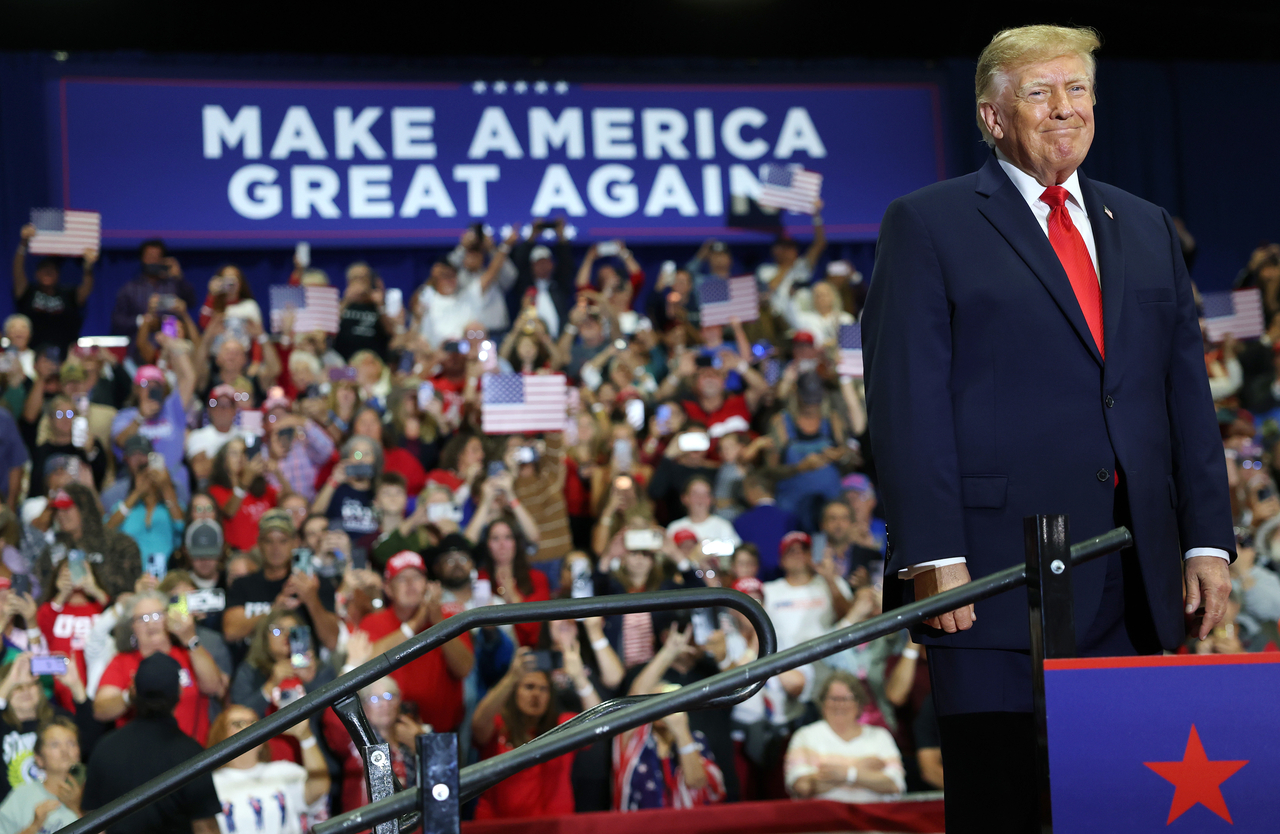
At a campaign rally for Republican candidates in Port Huron, Michigan, on Oct. 25, Trump dismissed the rise in gasoline prices as "a small price to pay for taking nuclear weapons away from fanatics." But with the war dragging on in contrast to earlier campaign pledges to reduce overseas military involvement and stabilize prices, the electoral burden on Republicans is growing.
Issue 2: Healthcare — debate over cuts to the Affordable Care Act and Medicaid
Healthcare costs are another front on which Democrats are pressing Republicans. Controversy has mounted over reductions in subsidies under the Affordable Care Act — commonly known as Obamacare — cuts to Medicaid, the health insurance program for low-income Americans, and rising insurance premiums.
Republicans have highlighted their record on lowering prescription drug prices, but Democrats argue that cuts to healthcare support have increased the burden on households. A poll reported by The Washington Post on Oct. 22 showed that respondents trusted Democrats to handle healthcare policy better than Republicans by a margin of 24 percentage points.
Issue 3: AI data centers — from economic engine to electricity bill controversy
The AI industry, widely seen as a key driver of US economic growth, has emerged as an unexpected electoral flashpoint. A rapid surge in data center construction has sparked a backlash from local residents worried about soaring electricity bills and environmental damage from the enormous power consumption involved.
According to Reuters, investment in data centers and related AI infrastructure in the United States is expected to exceed $1 trillion next year. Yet a recent Reuters/Ipsos survey found that 69 percent of Democratic voters and 43 percent of Republican voters supported restrictions on data center construction.
For the Trump administration, which has actively championed AI investment, this represents a new political liability. Should Democrats win control of Congress, hearings and investigations into data center development are likely to increase. The outcomes of state and local elections are also expected to influence permitting decisions and electricity supply policies for data centers.
Issue 4: Immigration — tough enforcement divides public opinion
Immigration policy is another major variable. Trump has held up the deportation of undocumented immigrants and tightened border controls as signature achievements of the administration. At the same time, deaths and human rights violations alleged to have occurred during aggressive federal immigration enforcement operations have stirred opposition.
Democrats have criticized what they describe as abuses of government power, while Republicans have countered by emphasizing border security. The immigration debate has broadened beyond border management into a wider referendum on how the government exercises its authority.
Issue 5: Government corruption — conflict-of-interest allegations add to electoral uncertainty
Government corruption and conflict-of-interest allegations have also surfaced as a late-breaking issue. According to The Washington Post, a recent poll found that 66 percent of registered voters believe Trump is using the presidency to enrich himself.
Democrats have seized on the findings to argue for stronger congressional oversight of the administration. The White House has denied the allegations.
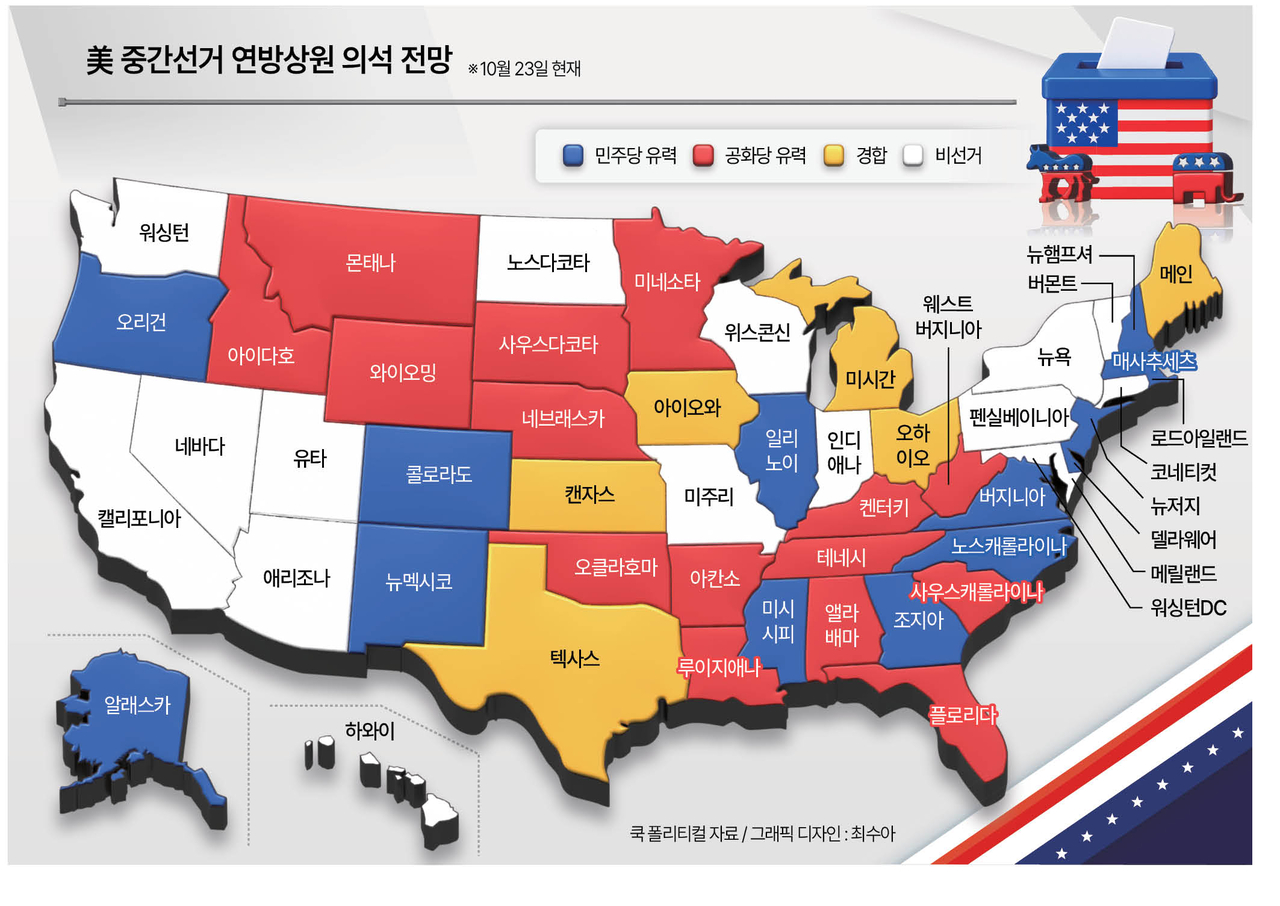
All 435 seats in the House of Representatives and 35 of the 100 Senate seats are up for election. Republicans currently hold narrow majorities in both chambers. If Democrats reclaim the majority, congressional investigations and checks on the Trump administration are expected to intensify.
A Reuters/Ipsos poll released Oct. 20 showed Trump's approval rating at 31 percent — the lowest of either of his two terms. With discontent over inflation, the war and immigration policy running high, and the AI data center issue adding to the mix, the battle for undecided voters is intensifying in the final stretch of the campaign.
A daily briefing on the Trump news that moves global markets and the world economy — selected and delivered in under a minute, whether you're commuting, eating alone or winding down for the night.
sjy@heraldcorp.com