Dogs near the plant and those 16 km away in the city of Chernobyl are genetically distinct
Traces of 'selection' found near cancer, DNA repair and immune genes — too consistent to be random
Whether radiation is the cause remains unclear amid a mix of heavy metals and other pollutants
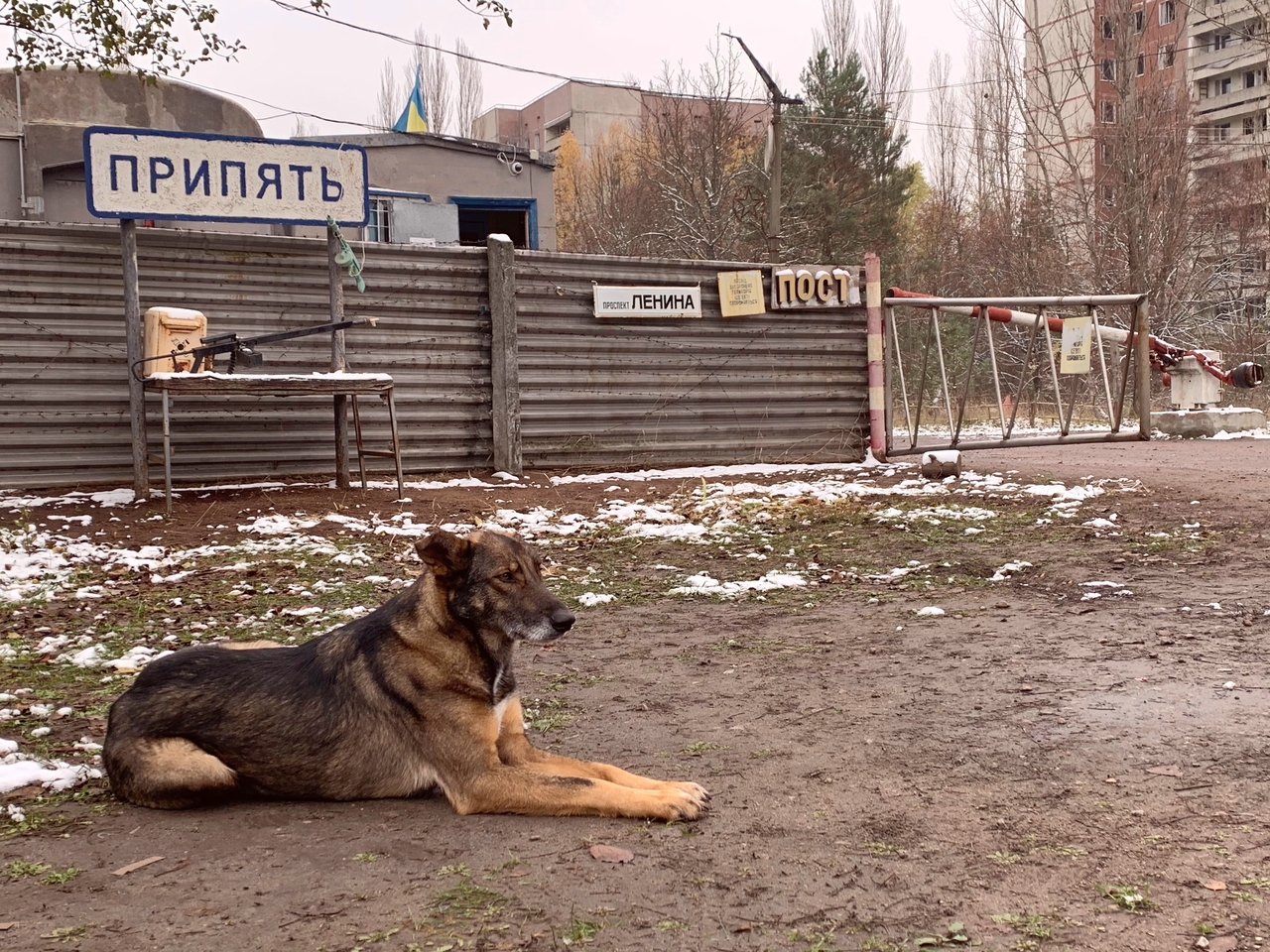
Researchers have found what appear to be traces of adaptation to a contaminated environment in the genes of dogs that have lived near the Chernobyl nuclear power plant for nearly four decades.
When the 1986 Chernobyl disaster struck, residents fled in such haste that they had to leave their pets behind. Cleanup crews later culled many of the remaining animals, but survivors banded together, and hundreds of dogs now live in the exclusion zone surrounding the plant.
Most are believed to be descendants of pets abandoned in Pripyat, a city about 3 kilometers from the plant.
Since the accident, the area around the plant has been contaminated not only with radioactive material but also with heavy metals, organic compounds and asbestos from abandoned military and industrial facilities. The dogs are estimated to have lived in this environment for more than 30 generations.
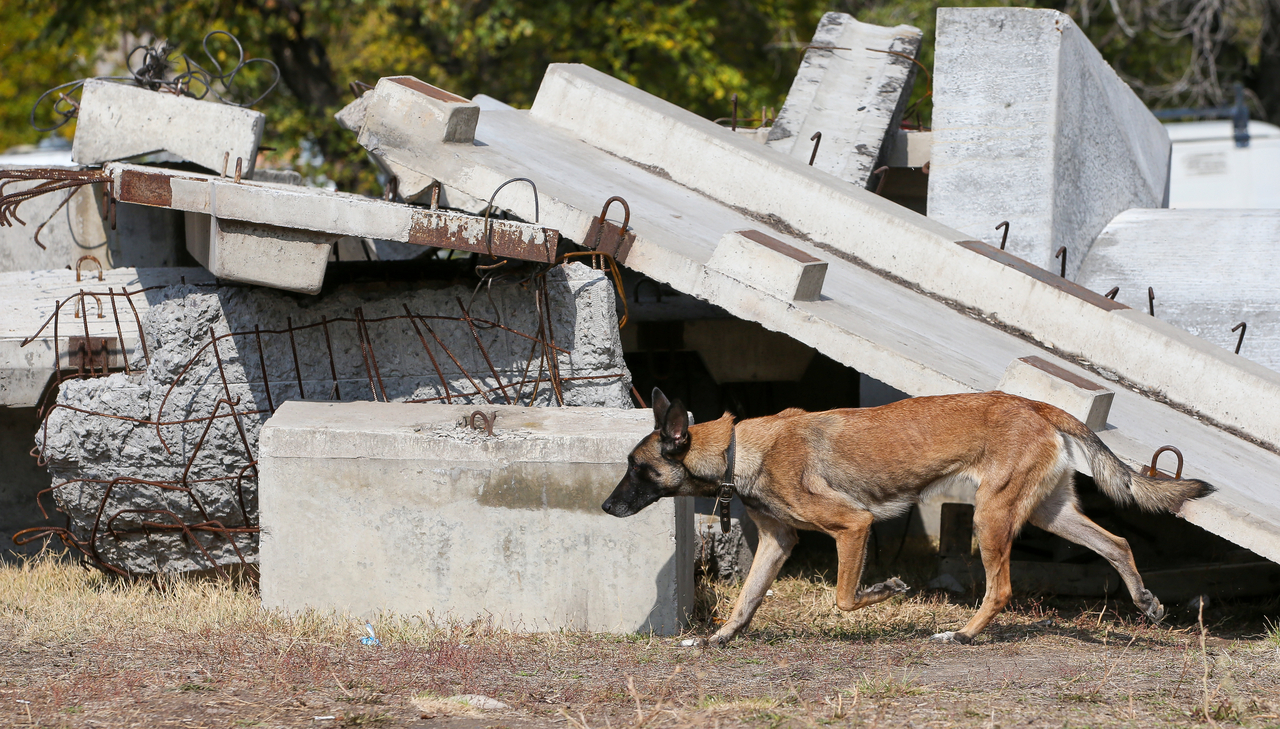
In October last year, dogs with blue-tinged fur were spotted in the area, sparking speculation that radiation had caused mutations.
A research team led by professors Megan Dillon and Matthew Breen of North Carolina State University recently published a genomic analysis of dogs living near the Chernobyl nuclear power plant in volume 17, issue 10 of the international journal Genes.

Genes differ sharply from dogs 16 km away
In earlier research, the team established that dogs living at the nuclear power plant site and those living in the city of Chernobyl, 16 kilometers away, are genetically very different. The city is less contaminated than the plant site.
Dogs in the city of Chernobyl were genetically closer to stray dogs in Russia and Poland than to the dogs living near the plant just down the road.
The team then set out to determine whether those genetic differences arose by chance or as a result of adaptation to the environment. When a population is small, genes cannot mix freely across generations, meaning certain variants can increase or decrease by chance — a process known as genetic drift — causing a population to diverge genetically from others.
The researchers also compared the Chernobyl dogs with stray dogs from the Galapagos Islands in South America, a population that has lived in isolation from other groups for decades. The Galapagos dogs share a similar history: they too were culled en masse about 30 years ago.
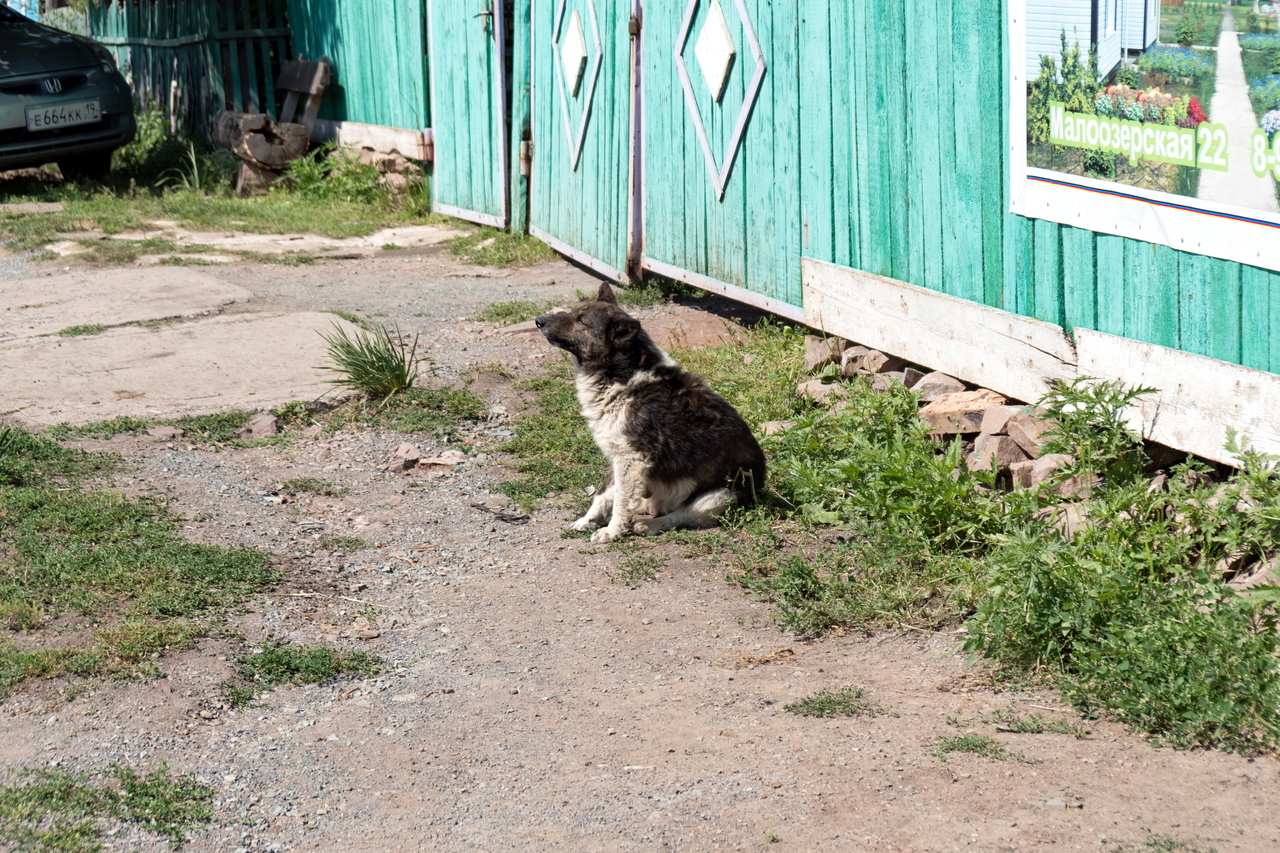
When the team examined the results, however, the Galapagos dogs turned out to be genetically closer to the dogs in the city of Chernobyl and to European strays than to the dogs living near the plant.
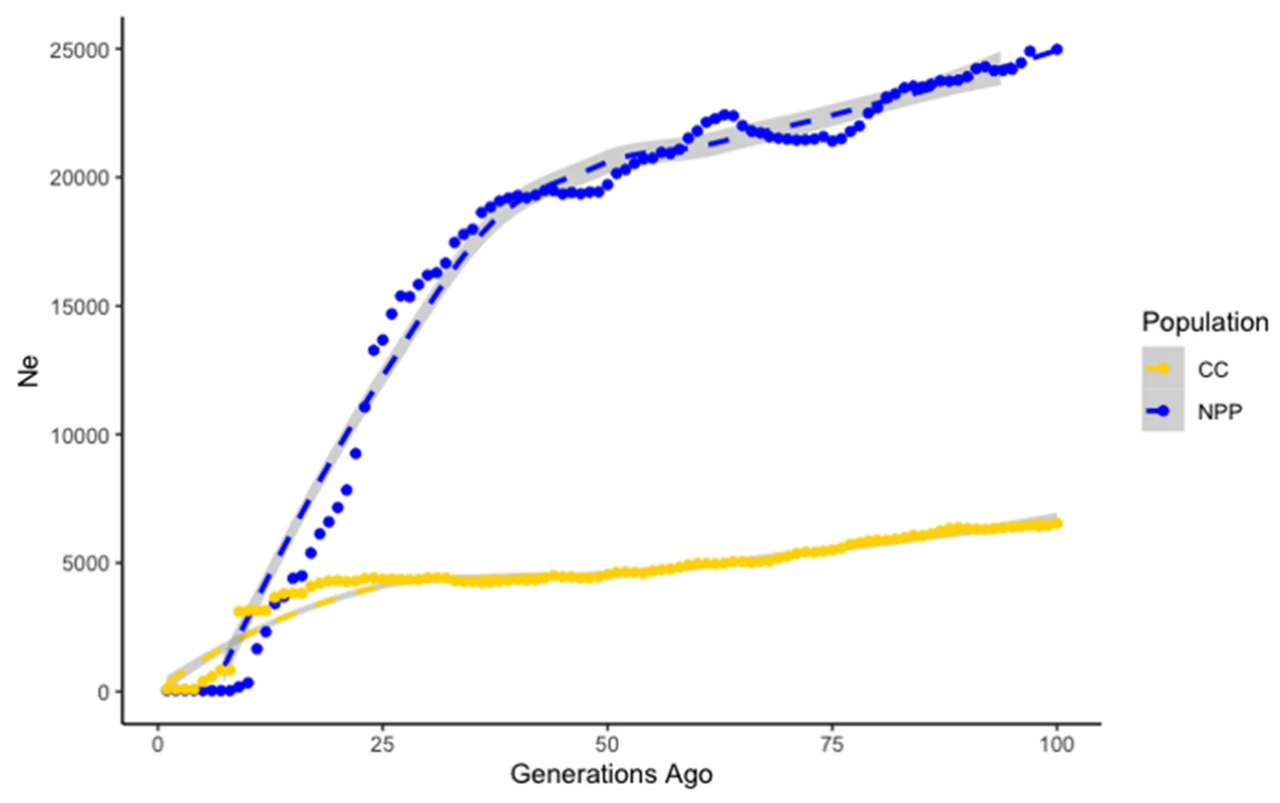
The population of dogs near the plant was not significantly smaller than that of the dogs in the city of Chernobyl, and genetic diversity among the plant-area dogs had not declined relative to other populations.
The team noted that if genetic drift were responsible, the differences should have appeared evenly across the entire genome. Instead, the dogs near the plant showed particularly large divergences at specific regions — chromosomes 8, 14, 26 and 27, among others. The researchers concluded that chance alone cannot account for such a pattern.
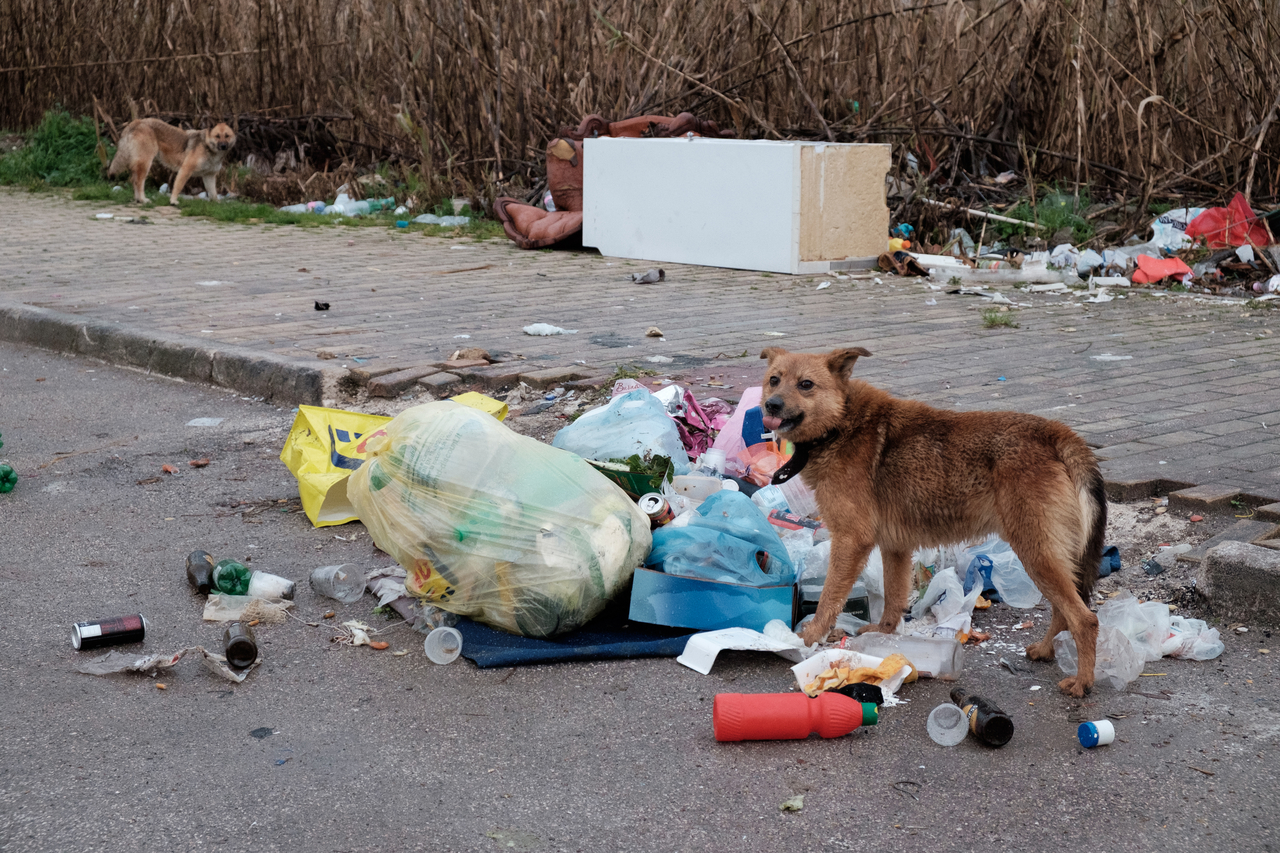
Cancer and DNA repair genes show the sharpest differences
The team identified 1,138 genomic sites that were particularly divergent in the dogs living near the plant. Rather than being scattered randomly, these sites clustered in 130 specific stretches of the genome.
When the researchers examined the genes near those divergent genomic regions, cancer-related genes were the most common. Genes involved in DNA damage repair, cell survival and death, and immune function were also well represented.
The team suggested that shortly after the accident, dogs that happened to carry variants of these genes — giving them some protection against early-onset cancer or reduced susceptibility to toxic substances — may have survived long enough to reproduce.
The result, the researchers argued, could be a shift in the overall genetic makeup of the plant-area population, driven by the survival of dogs better able to tolerate radiation.
Other species in the Chernobyl exclusion zone have shown similar patterns. Some bird species have enhanced resistance to reactive oxygen species, and plants such as birch trees have been reported to show improved DNA repair capacity.
"The large genetic differences between dogs near the plant and those from other regions did not arise by chance alone," the team wrote in the paper, adding that "natural selection played an important role in the evolution of the dogs near the nuclear power plant."

The team was unable to identify which environmental factor drove the changes. The area around the plant contains a mixture of radioactive material, heavy metals and organic compounds, making it difficult to determine whether radiation or some other contaminant is responsible.
The absence of pre-accident samples from the dogs or records of contamination levels at the time also prevented the researchers from directly tracing the evolutionary process. The study analyzed statistical patterns in the genome and did not confirm whether the dogs near the plant actually develop cancer less frequently or show greater resistance to radiation in practice.
Reference
DOI: 10.3390/genes17101195
Dillon, M.N.; Roberts, R.B.; Betz, J.A.; Mousseau, T.A.; Kleiman, N.J.; Breen, M. Evidence of Selective Response in the Free-Breeding Dog Population in Chornobyl. Genes 2026, 17, 1195.
dbsdn1110@heraldcorp.com