Public institutions must keep heating at an average of 18°C or below
Personal space heaters banned during work hours
Three Constitutional Court justices cite WHO's 18°C safe indoor temperature standard
Japan raised its lower limit from 17°C to 18°C, citing the same WHO guideline

The winter heating ceiling for South Korean public office buildings — an average of 18 degrees Celsius — happens to share its number with the World Health Organization's recommended minimum indoor temperature for protecting health against the cold.
The two figures point in opposite directions, however: the domestic standard is an upper limit not to be exceeded, while the WHO recommendation is a lower threshold not to be breached.
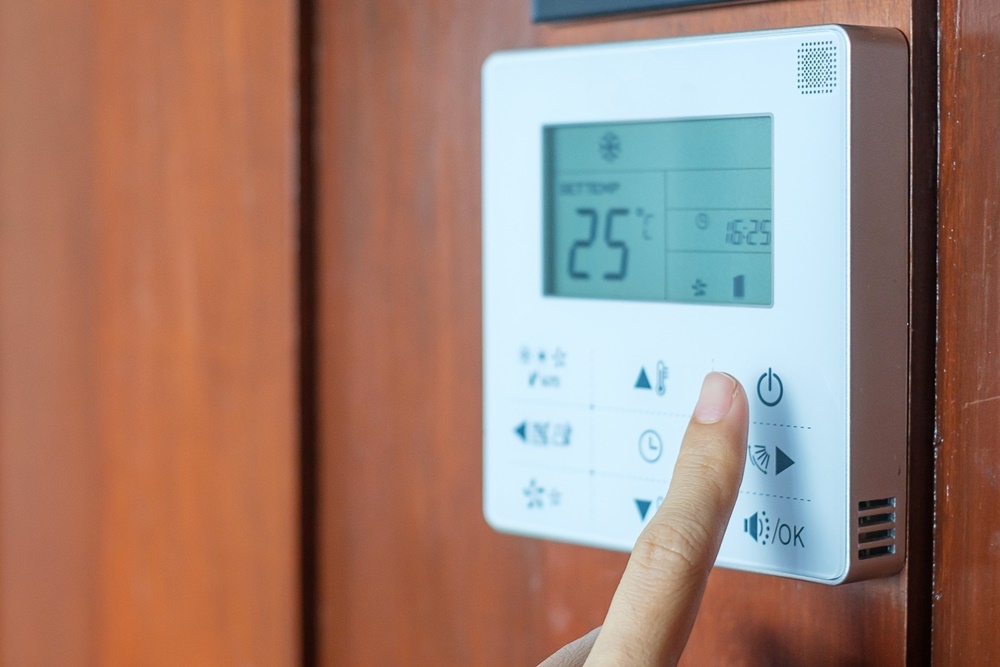
Under Article 14, Paragraph 1 of the Ministry of Climate, Environment and Energy's notice "Regulations on Promoting the Rational Use of Energy by Public Institutions" (No. 2026-111), "public institutions shall maintain indoor temperatures at an average of 18°C or below when operating heating systems, and at an average of 28°C or above when operating cooling systems," according to the National Law Information Center.
Eleven categories of facilities — including schools, libraries, medical institutions, childcare centers, senior welfare facilities and public transit facilities — may adjust temperatures flexibly through decisions by their own internal committees, but office spaces are excluded from that exemption.
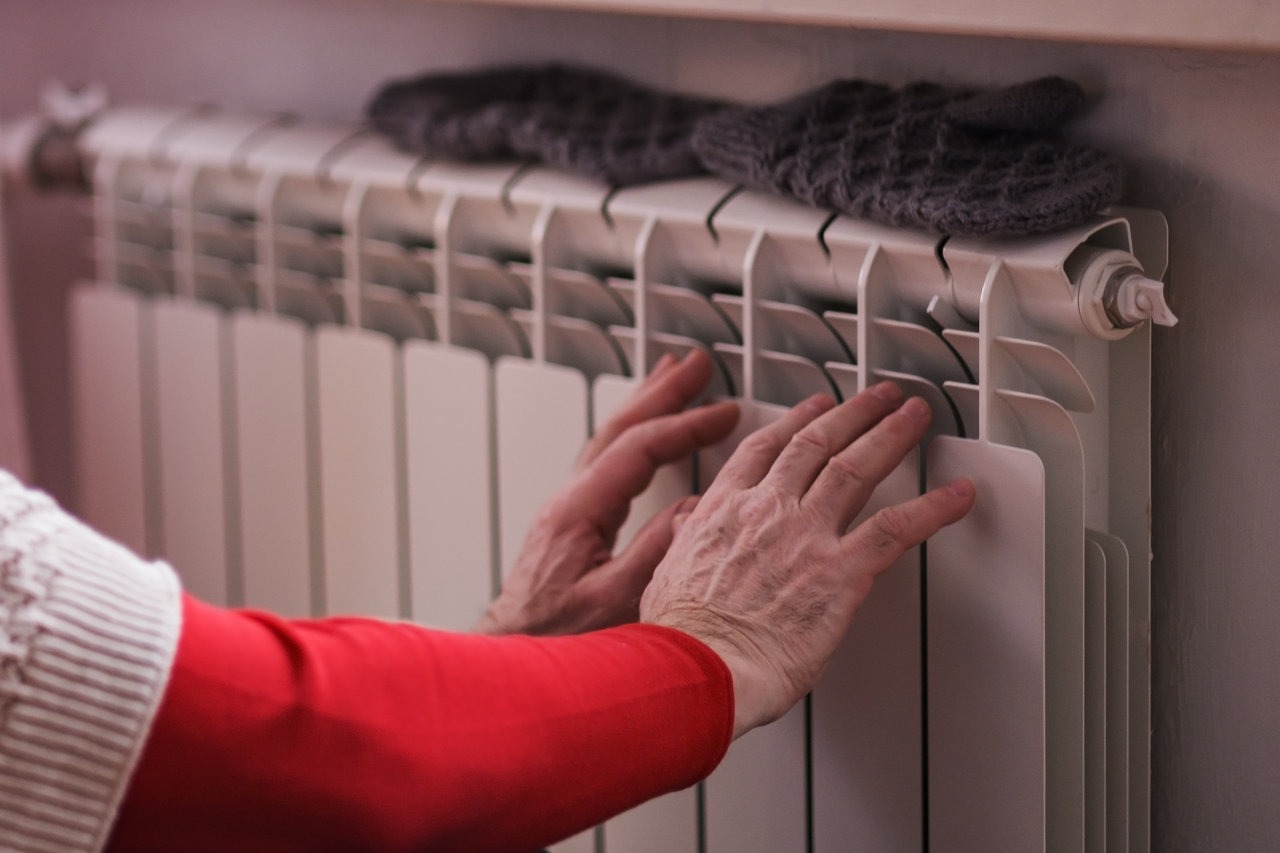
Employees at public institutions are also prohibited from using personal space heaters during work hours. Article 14, Paragraph 3 of the same regulation states that "employees of public institutions shall not use personal heating devices during working hours (9 a.m. to 6 p.m.)." Exceptions apply only to pregnant workers, people with disabilities, and those working in areas without heating systems, provided they obtain approval from the head of their institution.
The government's recommended indoor temperature for households is 20°C. The Ministry of Climate, Environment and Energy says lowering the indoor temperature by one degree reduces energy consumption by about 7 percent. The 20°C figure for homes is a recommendation only and carries no legal force.
How the 18°C winter heating standard came about
The heating and cooling temperature standards for public institutions trace back to a 1980 directive (No. 18) issued by the prime minister's office, a history that has been raised in National Assembly national audits.
The then-Ministry of Knowledge Economy — whose functions are now split between the Ministry of Trade, Industry and Energy and the Ministry of Climate, Environment and Energy — issued an "Emergency Energy Conservation Reinforcement Directive" in January 2011, asking central government ministries, local governments and public enterprises to keep indoor temperatures at or below 18°C.
The "Regulations on Promoting the Rational Use of Energy by Public Institutions" (Ministry of Knowledge Economy Notice No. 2011-154) were formally enacted that July. A February 2012 revision added the provision banning the use of personal heaters during work hours.
According to the Constitutional Court's ruling in case 2023Heunma12, the 2011 regulations were enacted "to promote the efficient use of energy and reduce greenhouse gas emissions by public institutions, including the state and local governments." From 2011 to 2015, a separate public notice on energy-use restrictions under Article 7, Paragraph 2 of the Energy Use Rationalization Act also capped public institution heating at an average of 18°C.
The 18°C standard for public institutions has remained in place through successive changes in the ministry responsible for it — from the Ministry of Knowledge Economy to the Ministry of Trade, Industry and Energy and then to the Ministry of Climate, Environment and Energy.
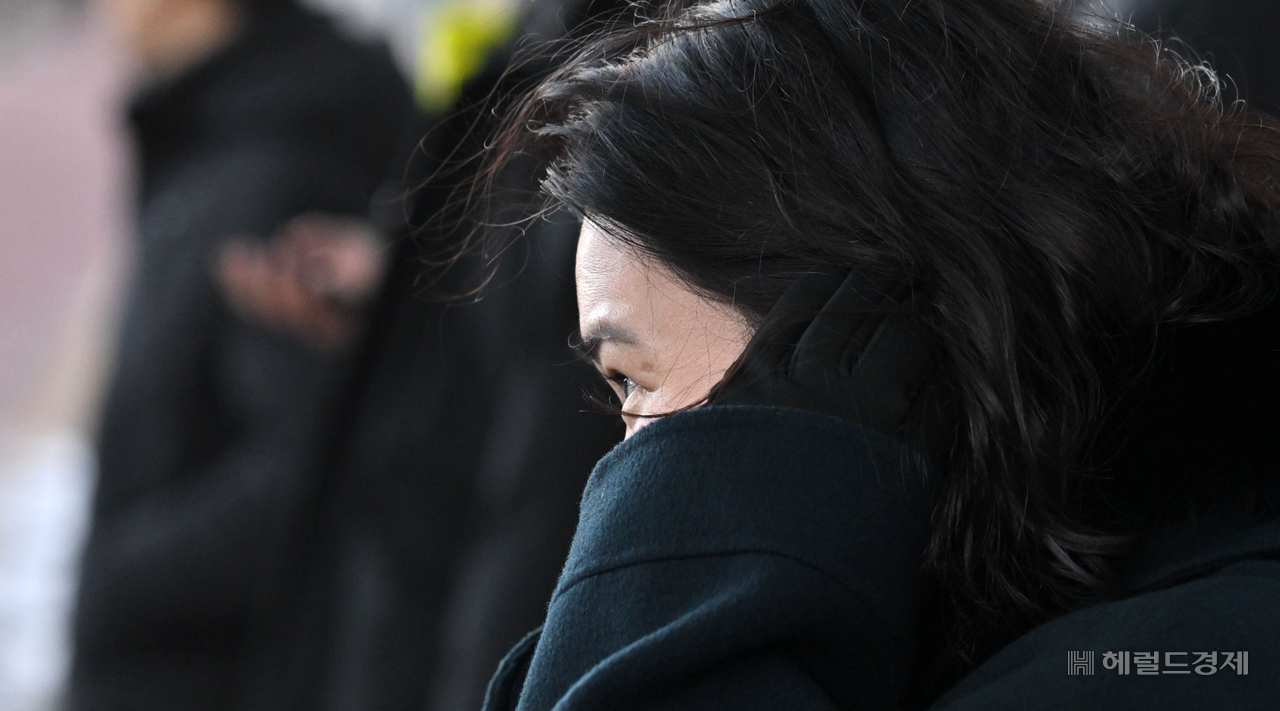
There was a period when mandatory winter temperature limits also applied to large private buildings.
Starting July 13, 1992, the then-Ministry of Energy and Resources — now the Ministry of Climate, Environment and Energy — required about 7,500 facilities nationwide with total floor areas of 3,000 square meters or more, including office buildings, to maintain indoor temperatures between 18°C and 20°C in winter and between 26°C and 28°C in summer under Article 31 of the Energy Use Rationalization Act. Buildings that violated the standard could be fined up to 3 million won ($2,240).
The public institution standard was also pushed one degree lower at one point. When the Russia-Ukraine war sent international energy prices soaring, the Ministry of Trade, Industry and Energy issued a public notice on restrictions on energy use by public institutions (No. 2022-766) on Oct. 11, 2022.
Under that notice, the heating standard for public institutions dropped to an average of 17°C or below starting Oct. 18, 2022. An energy-saving plan discussed at an emergency economic ministers' meeting on Sept. 30 of that year estimated that lowering the indoor temperature from 18°C to 17°C would cut heating energy consumption by 6 percent.
The 17°C rule was applied without exception from Oct. 18, 2022, to Jan. 17, 2023 — a period of three months.
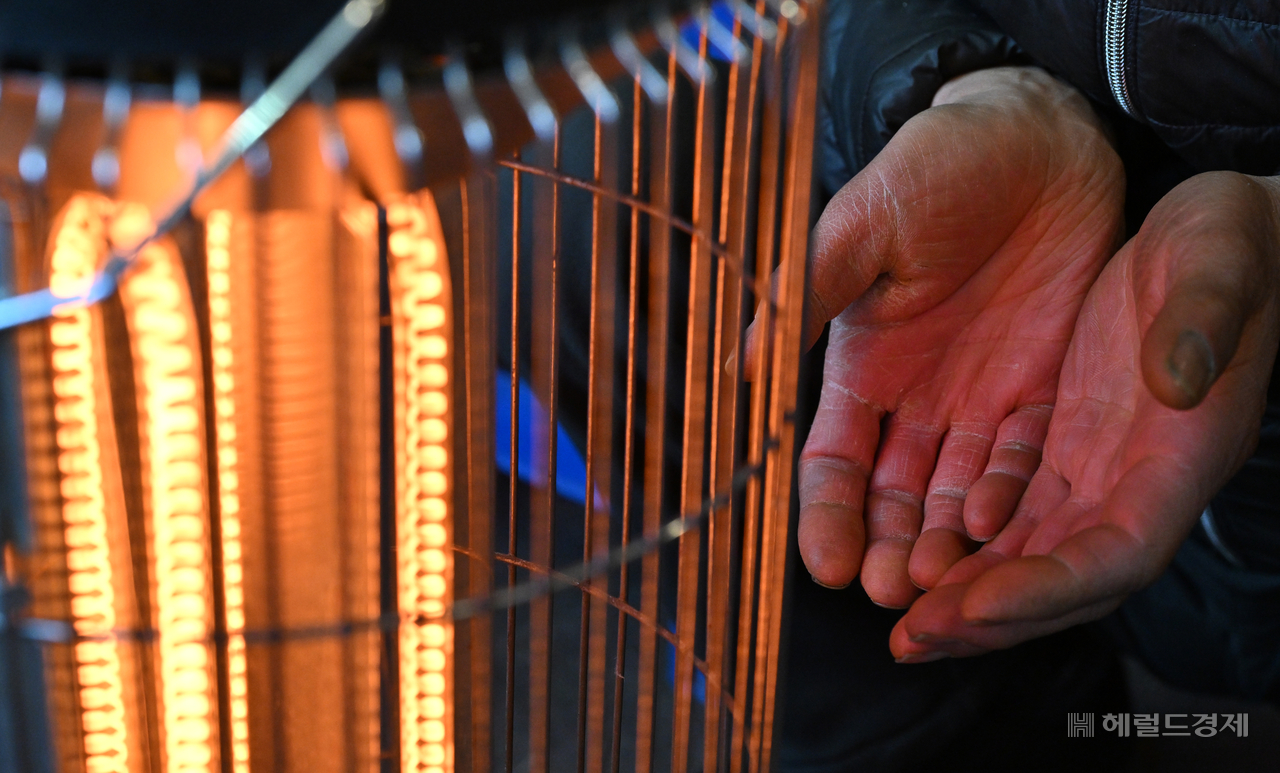
As complaints about the cold mounted, the Ministry of Trade, Industry and Energy revised the notice (No. 2023-40) on Jan. 13, 2023, allowing institution heads to relax the standard by up to 2°C in areas under cold-wave advisories or in aging buildings at their own discretion.
Before that revision, eight employees at government-funded research institutes — including the Korea Institute of Ocean Science and Technology, the Korea Aerospace Research Institute and the Korea Institute of Science and Technology — filed a constitutional complaint on Jan. 5, 2023, arguing that the 17°C rule violated their right to health.
The Constitutional Court dismissed the case last year, ruling that the 17°C regulation had already lost effect and that there was therefore no legal interest in protecting the petitioners' rights. In a dissenting opinion, Justices Lee Mi-seon, Kim Hyeong-du and Jo Han-chang wrote that "the WHO states that a safe and balanced indoor temperature for the health of the general population in winter is 18°C, and South Korea's KDCA likewise sets the appropriate indoor temperature in winter at 18°C to 20°C."
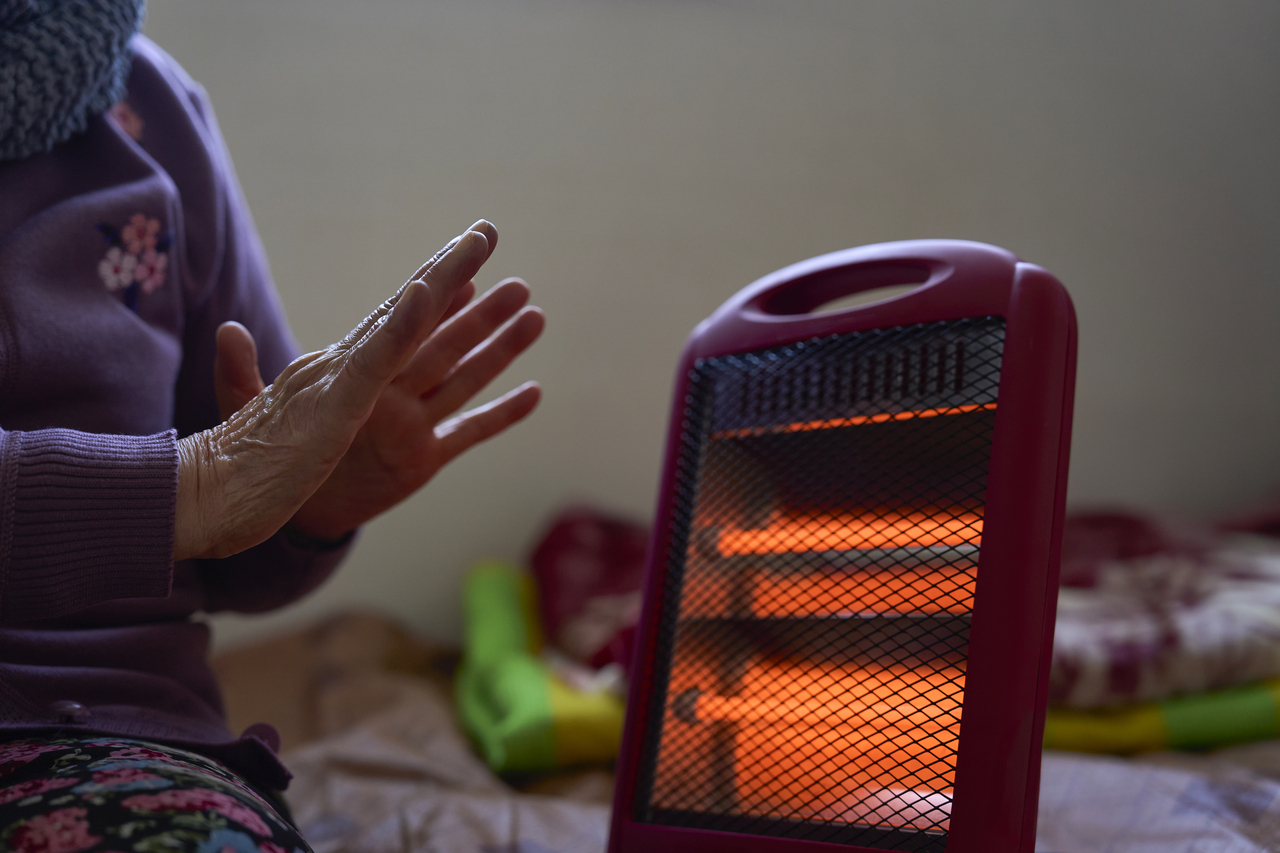
WHO standard: 18°C is the safe minimum
The WHO's 18°C figure is a floor, not a ceiling, for residential indoor temperatures. In its 2018 "Housing and Health Guidelines," the WHO recommended that indoor temperatures in homes be high enough to prevent cold-related health harm.
For temperate and cold climates, the guidelines describe a minimum of 18°C as a "safe indoor temperature" and assign it a "strong recommendation" rating. The guidelines also note that older adults, children and people with chronic illnesses may require a higher minimum temperature than 18°C.
Japan used the WHO guidelines as the basis for raising the lower limit of indoor temperatures in buildings that house offices. Japan's Ministry of Health, Labour and Welfare amended the enforcement ordinance of the Building Sanitation Act, raising the indoor temperature standard for buildings above a certain size from "17°C or above and 28°C or below" to "18°C or above and 28°C or below," effective April 1, 2022.
In a report released in 2021, the ministry said it was "appropriate to revise the temperature standard from 17°C to 18°C in light of the WHO guidelines."
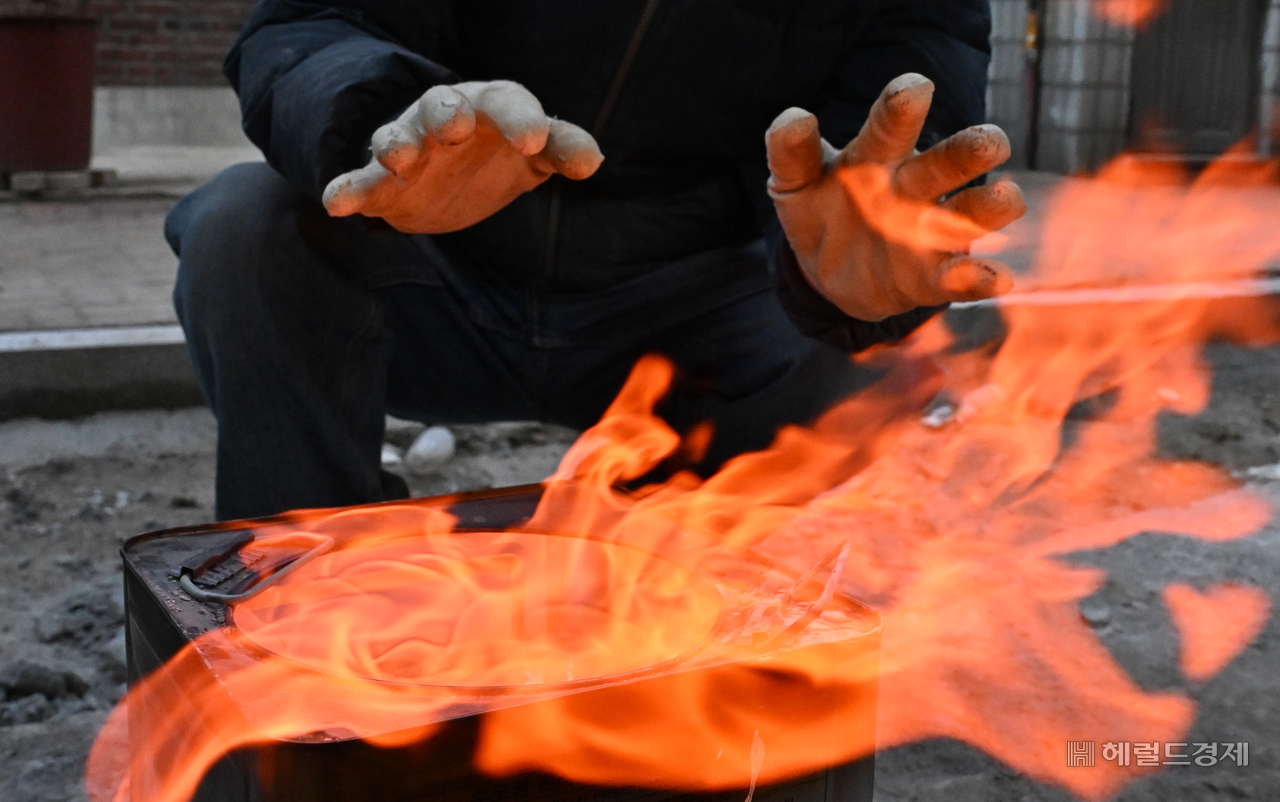
Germany also imposed a heating ceiling on public buildings during its energy crisis. Under a regulation on short-term energy supply stabilization measures, the German federal government set a maximum indoor temperature of 19°C for offices in public non-residential buildings from September 2022 through April 2023. The 19°C limit applied primarily to light sedentary work.
Debate over revising public institution temperature standards has centered largely on summer cooling. At a comprehensive audit of the Ministry of Climate, Environment and Energy by the National Assembly's Climate, Energy, Environment and Labor Committee on Monday, lawmakers raised the need to lower the public institution cooling standard from 28°C to 26°C.
The current regulations contain no provision setting a minimum indoor temperature to protect the health of office workers in winter. The 18°C figure in the rules functions solely as an upper limit not to be exceeded.
dbsdn1110@heraldcorp.com