Pet funeral controversies emerge in Philippines, UK
Owners worry: 'Are these really my pet's ashes?'
86 licensed pet burial businesses listed on national animal protection system
A scandal in the Philippines — where a pet cremation company is suspected of dumping the bodies of dogs and cats it was paid to cremate — has drawn fire over the trustworthiness of pet funeral services.
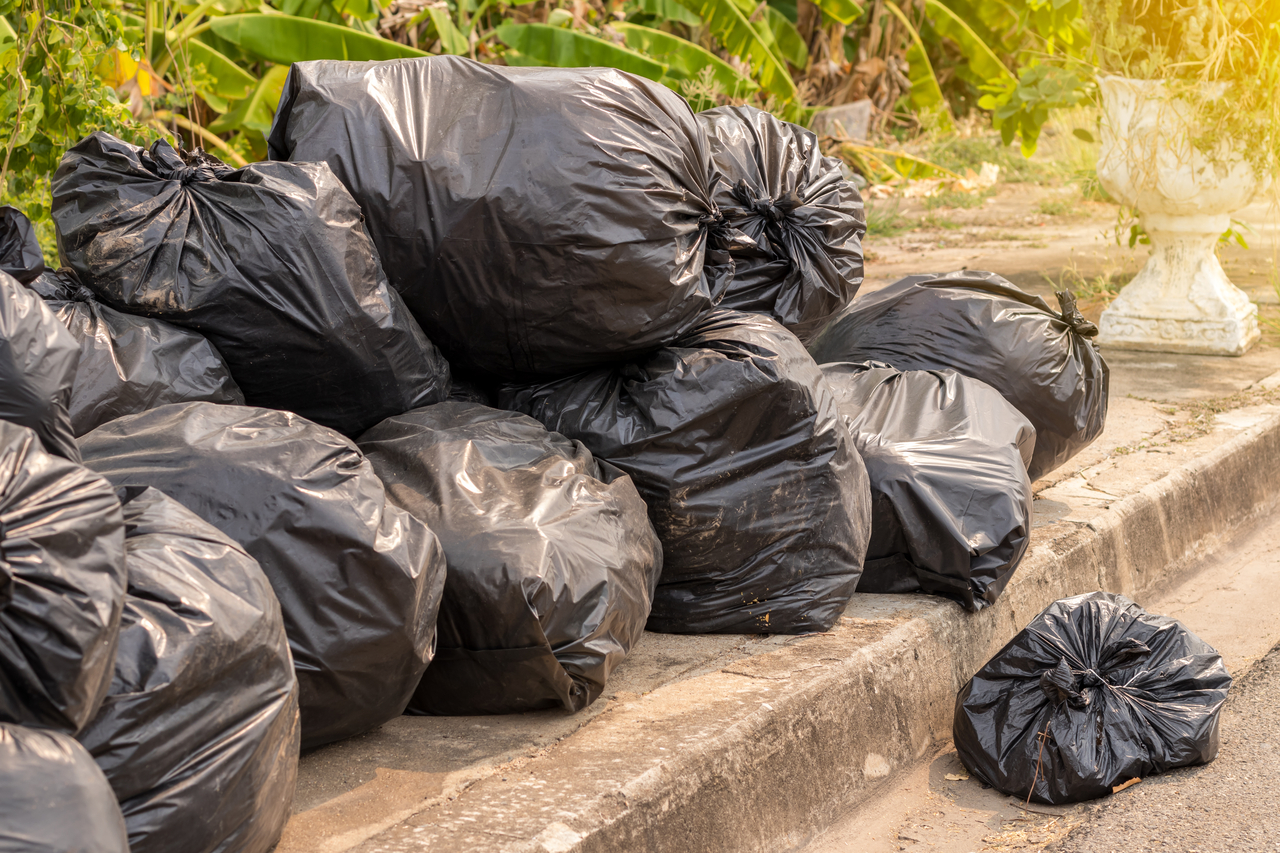
Under South Korean law, pet remains are classified as waste. Legal disposal options include placing them in standard waste bags for general collection or handing them over to a veterinary clinic for incineration as medical waste. Burying a pet in a backyard or on a hillside violates the Waste Management Act.
Licensed pet cremation businesses have recently emerged as an alternative. Because they are the only option for individual cremation and the return of ashes, owners have little choice but to trust them.
'Are these really my pet's ashes?' — controversies abroad
According to Philippine outlets Philstar and GMA News on Oct. 31, the bodies of 22 dogs and three cats stuffed in plastic bags were found along a roadside in San Jose del Monte, Bulacan province, at the end of last month.
The remains are suspected to belong to pets that a cremation business in Bacoor, Cavite province, had been paid by owners to cremate. Bacoor city authorities suspended the company's operations after a wave of complaints from pet owners.
The company claimed it had sent some of the animals to a cremation facility in another city. However, it was unable to produce documentation or closed-circuit television footage to verify the cremations, and could not confirm that the ashes returned to owners actually belonged to their pets.
The Philippine Animal Welfare Society issued a statement calling the incident "a grave betrayal of trust that may be punishable under the penal code," adding that "the trust of grieving families must not be exploited." It advised owners to preserve receipts, cremation certificates, chat records and photographs, and to file complaints with legal assistance.
Concerns over pet cremation are not limited to the Philippines.
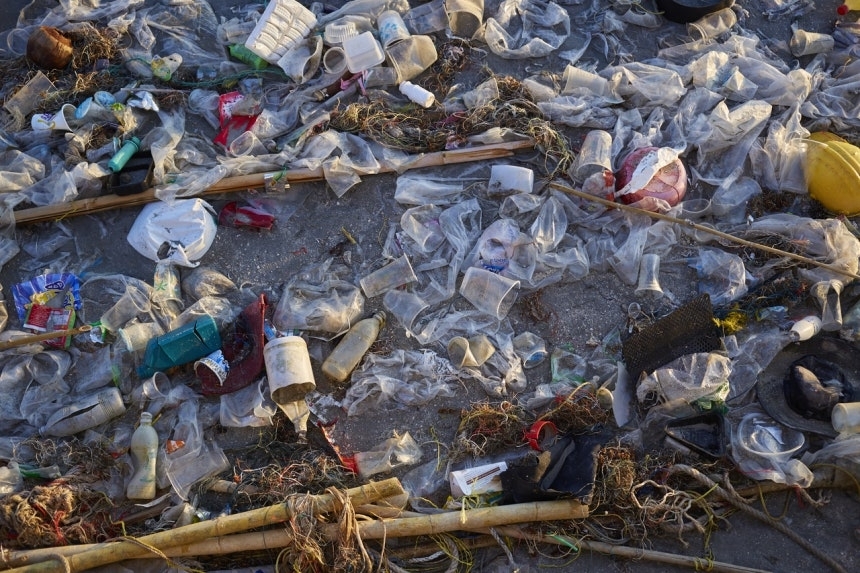
According to British trade publication Vet Times, photos and videos circulated online in July showing bags containing animal remains left on the floor of a pet funeral business in Herefordshire, England, alongside piles of mixed ash and bone fragments from cremations.
Critics said the company had not only neglected remains entrusted to it but had also commingled ashes that should have been returned separately to each owner. When authorities launched an investigation, the business was found not to be a member of the Association of Private Pet Cemeteries and Crematoria, the industry trade body.
The company subsequently shut down without offering any compensation. Four months on, no indictment or penalty has been announced.
Licensing and a public registry — South Korea's approach
In South Korea, pet funeral services are designated as a separate business category subject to direct government licensing.
In April 2023, the government upgraded the sector from a registration system to a full licensing regime, tightening facility and staffing requirements at the same time. A general business registration alone is no longer sufficient to operate a pet cremation service. Operating without a license carries a penalty of up to two years in prison or a fine of up to 20 million won ($14,900).
The list of licensed operators is publicly accessible. Licensed pet funeral businesses are listed on the National Animal Protection Information System run by the Animal and Plant Quarantine Agency, allowing owners to verify a company's license status by name and location before entrusting it with their pet.
The law also specifies how remains must be handled. In addition to cremation and dry sterilization-grinding, a 2021 amendment to enforcement regulations added alkaline hydrolysis — a process that dissolves remains in water and an alkaline solution before the ashes are collected.
Public services are also gradually emerging. Mapo-gu in Seoul became the first district in the capital to introduce a home-visit pet funeral support service, called "Pet Angel," in February last year. Seoul Metropolitan Government and Yeoncheon-gun in Gyeonggi Province are jointly building a public pet memorial facility with a crematorium and columbarium, targeting a 2028 opening.
According to Yonhap, the number of licensed pet funeral businesses registered on the National Animal Protection Information System grew roughly fourfold over a decade, from about 20 in 2016 to 86 as of April this year.
By region, Gyeonggi Province had the most with 31, followed by South Gyeongsang Province with nine, North Gyeongsang Province with eight, South Jeolla Province with seven and North Chungcheong Province with five. Seoul has no comprehensive pet funeral facility offering both cremation and memorial services, meaning owners must travel to Gyeonggi Province or other outlying areas.
Unlicensed operators and cost disparities remain
Despite the licensing regime, unlicensed operators continue to be caught. The Gyeonggi Province Special Judicial Police Unit busted an operator in Ansan in 2024 who had been running an unlicensed pet funeral business. The operator ran two unregistered animal cremation furnaces from December 2020 to early May 2024 — roughly three years and five months — cremating an average of 70 to 80 animals per month without notifying the relevant authorities.
Funeral costs also vary widely from one business to another.
A Ministry of Agriculture, Food and Rural Affairs survey cited by Yonhap found that service fees ranged from 180,000 won to 2.99 million won ($2,230) depending on the provider. A basic funeral for a dog weighing under 5 kilograms averages around 200,000 to 300,000 won, but adding options such as a memorial stone or a dedicated columbarium niche can push the total two to three times higher.
The government plans to require businesses to publicly disclose prices broken down into basic and optional services by 2028.
The Ministry of Agriculture, Food and Rural Affairs said in its Third Comprehensive Animal Welfare Plan (2025–2029) that it is reviewing whether to allow pet funeral parlors — currently barred from residential and commercial zones — to operate in urban areas. It is also pursuing plans to bring mobile cremation and home funeral services under regulatory oversight and to introduce a new natural burial system.
Before entrusting a pet to any funeral provider, owners should first confirm that the business holds a valid license. Using an unlicensed operator risks cremation in unsanitary conditions or the mixing of ashes with those of other animals. In the event of a dispute, legal recourse is also far more difficult.
dbsdn1110@heraldcorp.com