Design, engineering, production linked from day one
LMR battery tested across 300,000 virtual designs
General Motors has set a goal of cutting vehicle development time in half through AI and virtualization technology.
GM said Thursday it unveiled its vehicle development framework — connecting design, engineering and production — along with plans for virtual validation and factory-data-driven manufacturing innovation at the "GM Forward" event held in New York on Oct. 21 (local time).
Using enterprise AI and virtualization, GM plans to reduce the vehicle development cycle from the current four to five years to roughly half that. The company intends to link design, engineering and production into a single integrated digital thread from the earliest stages of development, streamlining the process from initial sketch to mass production. GM said this concurrent engineering model will enable continuous improvement and the rapid rollout of new technologies.
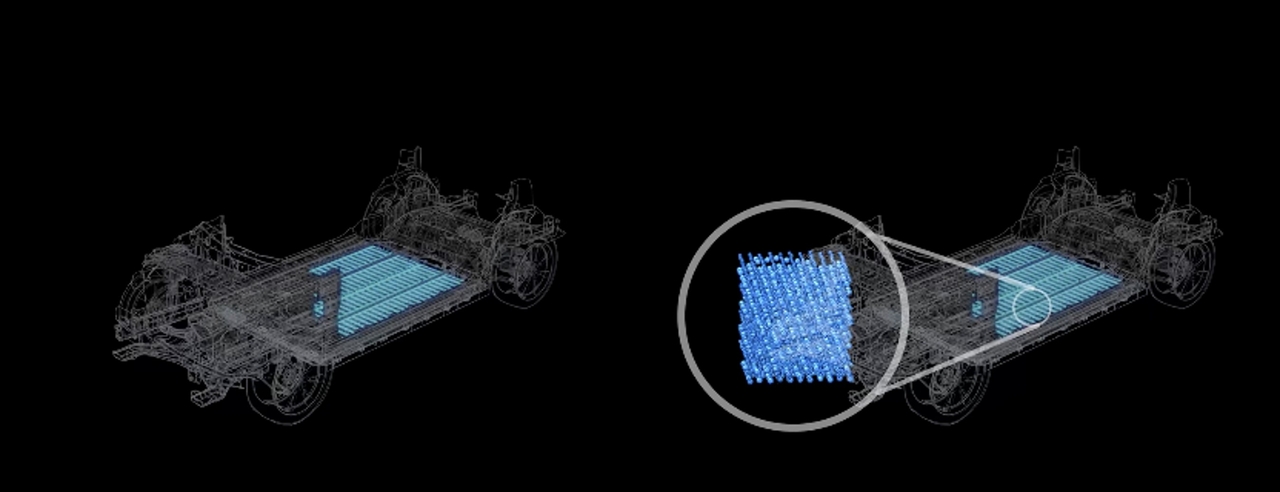
The same virtual validation approach was applied to the development of its lithium manganese-rich, or LMR, battery. GM ran more than 300,000 virtual battery design simulations before building a single physical prototype, completing the process from the first LMR battery pack concept to formal program approval within a month. The company said the same development framework is now being applied to its fourth-generation electric vehicle platform.
On the manufacturing side, GM reviews production processes and equipment layouts using digital models before installing new machinery, allowing potential safety and ergonomic concerns to be identified in advance. During mass production, GM's factory intelligence platform, PlantBrAIn, will combine on-site data with computer models to support manufacturing improvements for fourth-generation EVs and battery packs. GM said applying this approach at a battery pack assembly facility boosted processing speed by 30 percent, and that similar tools are in use across press, casting, welding, paint and final assembly operations.
Fourth-generation EVs will feature a new electrical and computing architecture that allows vehicles to self-check their electrical connections as they move along the production line, GM said, significantly reducing the need for a separate final electrical verification step after assembly.
GM said it plans to extend virtual design and validation from vehicle development through to the factory floor, enabling new technologies to reach production vehicles more quickly. The company said it aims to deliver safer, more capable vehicles to customers faster by integrating design-stage collaboration, pre-production process validation and factory-data-driven improvements.
eyre@heraldcorp.com