A constitutional scholar and a budget expert, the two first-term district mayors of Yeongdeungpo-gu and Gangbuk-gu are winning trust by putting expertise and principle ahead of politics
Of the 25 autonomous districts in Seoul under the ninth round of local elections, 11 are led by first-term district mayors — nearly half of all districts now have new faces at the helm.
Among them, Yeongdeungpo-gu District Mayor Cho Yu-jin, 60, and Gangbuk-gu District Mayor Jeong Chang-su, 57, have drawn particular attention. A constitutional scholar and a local finance expert respectively, both are steering their districts on the strength of years of research and hands-on experience — earning them the label of "scholar-type district mayors."
What sets the two apart, observers say, is a governing style built on expertise and principle rather than political rhetoric or performative administration — an approach that has earned them the trust of both district office staff and residents.
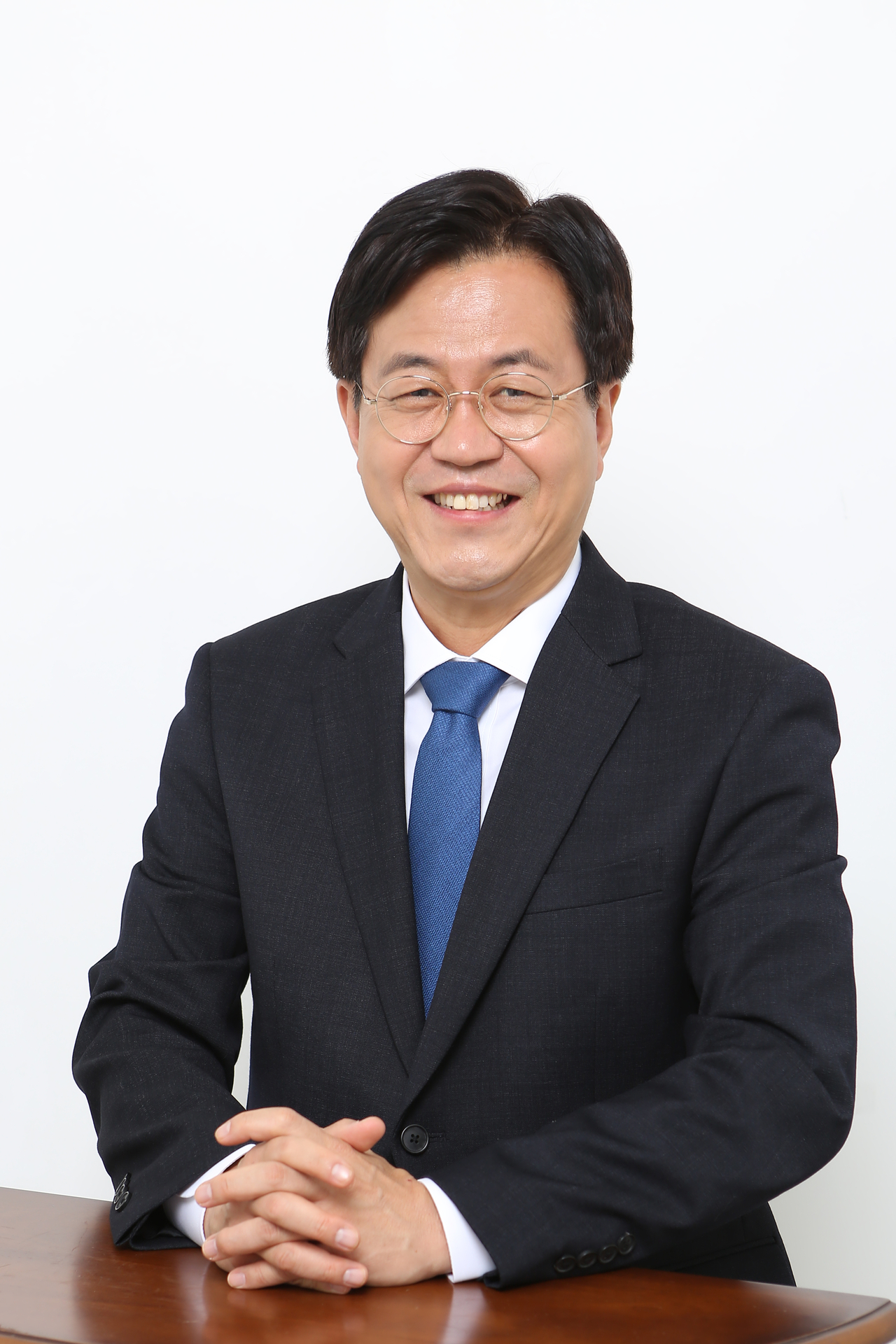
Constitutional scholar Cho Yu-jin pursues direct democracy through civic assemblies in Yeongdeungpo-gu
Cho grew up in Yeongdeungpo and graduated from Seoul National University's College of Law before serving as an administrative official at Cheong Wa Dae under President Roh Moo-hyun, working as a party official and serving as a National Assembly member's aide. Cho then won the Yeongdeungpo-gu district mayoral race in the ninth round of local elections, marking a new chapter in public service.
A defining feature of Cho's career is a deep and sustained engagement with constitutional law. Cho ran a constitutional research institute, devoted years to the field and has published five books on the subject.
One well-known anecdote holds that the late President Roh, noting Cho's Seoul National University law degree, encouraged Cho to become a genuine constitutional expert — a nudge that set Cho on the path to serious constitutional scholarship.
Since taking office, Cho has put forward a vision of turning Yeongdeungpo into a "constitutional city" and has emphasized running the district in the spirit of the constitution.
Central to that vision is a "minhoe" — a civic assembly where residents gather directly to debate local issues and set policy direction. A minhoe scheduled for Dec. 3 is seen as particularly significant: it goes beyond conventional resident participation to give citizens a direct role in local decision-making, making it an experiment in direct democracy.
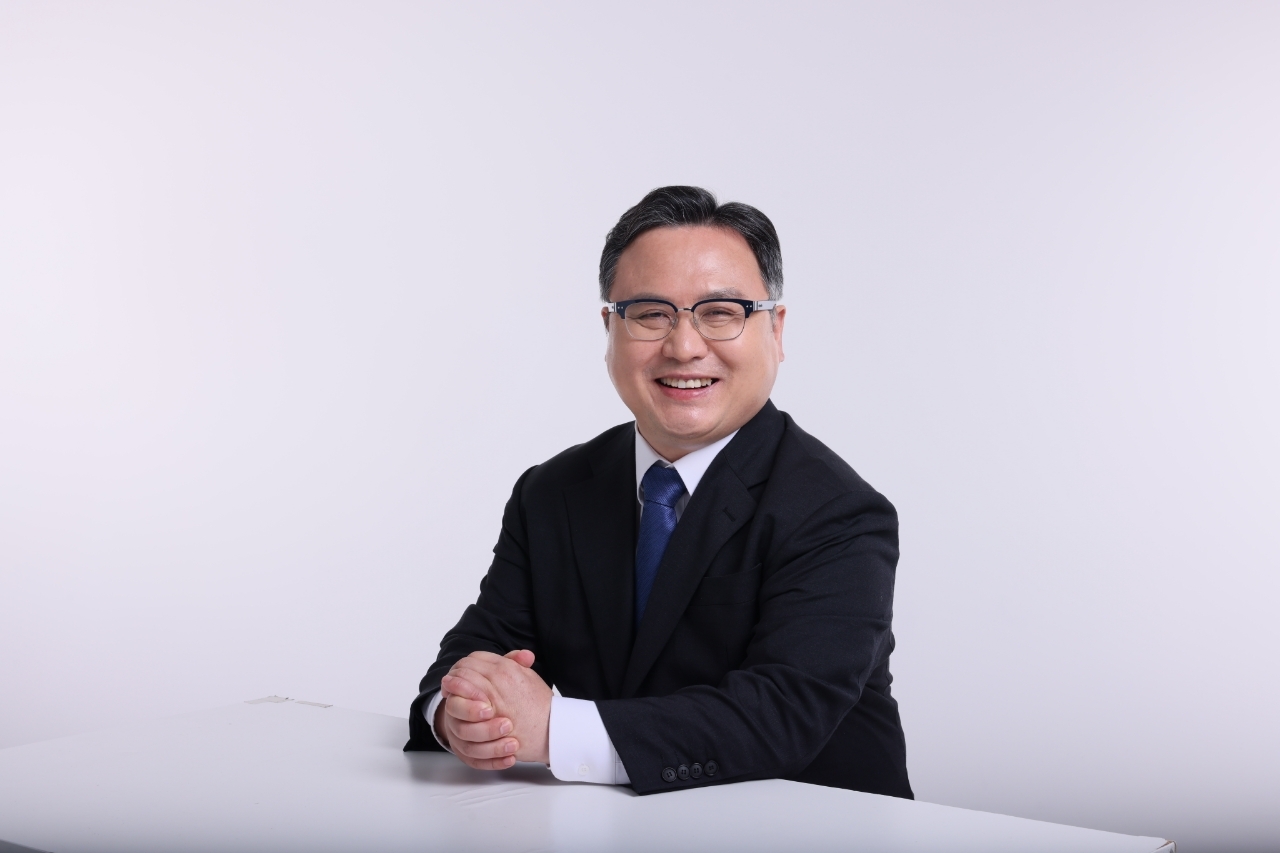
Budget expert Jeong Chang-su champions fiscal efficiency while working to make Gangbuk-gu a hub of culture, history and healing
Gangbuk-gu District Mayor Jeong Chang-su is a seasoned expert in local finance and public budgeting.
Jeong graduated from Hanyang University with a degree in economics and earned a doctorate in public budgeting from Kyung Hee University, then began a career as a civic activist and has spent nearly 28 years researching government budgets, taxation and local finance.
As director of the Narasal-lim Research Institute, Jeong led efforts to monitor public spending and promote fiscal democracy. During work with the civic group Hamkke Hanun Simin Haengdong, Jeong organized an annual "leaky jar award" that publicly named cases of budget waste, generating wide social resonance.
Jeong also served in Seoul's finance division during the tenure of former Seoul Mayor Park Won-soon, rounding out a career that spans academic research, civic activism and hands-on public administration.
Drawing on that expertise, Jeong has focused on improving the efficiency and accountability of Gangbuk-gu's finances, continually pressing district staff to think hard about where and how limited public funds can most meaningfully improve residents' quality of life.
What the two district mayors share is a commitment to bringing deep, long-cultivated expertise into public administration. Rather than chasing political interests or headline-grabbing results, both apply the principles of fields they have studied for decades — a quality observers say sets them apart.
"You can feel the depth of their learning — these are people who have spent years studying and doing research," one resident said. "Their character is admirable, and there is a genuine sincerity in the way they treat residents."
As local autonomy in South Korea enters a mature phase more than 30 years after its introduction, the competitiveness of local governments can no longer be measured by political skill or administrative experience alone. What matters most, many argue, is a ground-level understanding of residents' lives, the policy expertise to back up decisions and the humility to exercise authority with restraint.
Whether the scholar-style leadership of Cho and Jeong can bring a fresh wind to the ninth round of local self-governance remains to be seen. Holding on to the fresh perspective and sincerity that first-term district mayors bring — and sustaining it throughout their terms — will be the key to keeping residents' trust.
seouldream01@heraldcorp.com