The two-day event, set for Nov. 12-13, will bring together 243 lab-based startup teams and shine a spotlight on seven future strategic technology sectors.
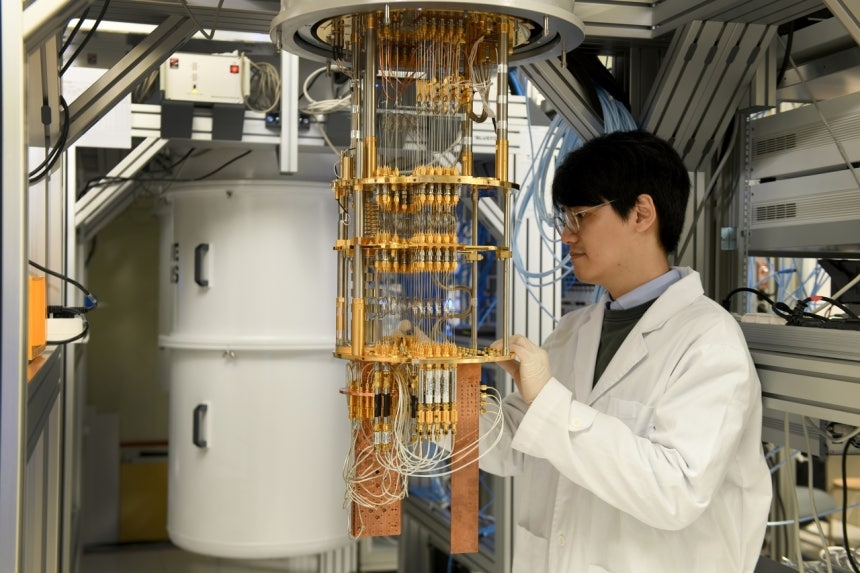
Advanced technologies set to power South Korea's future economy — from small modular reactors and nuclear fusion to quantum computers and aerospace — will converge in Daejeon for a large-scale deep tech festival designed to turn laboratory research into startups, investment and real-world commercialization.
The Ministry of Science and ICT announced Thursday that it will hold the "2026 Korea Deep Tech Commercialization Festival" at Exhibition Hall 2 of the Daejeon Convention Center on Nov. 12-13.
Organized jointly by 11 startup and commercialization support agencies under the theme "Lab Imagination, World Business," the event is designed to showcase the entire journey from laboratory innovation to startup formation, investment and industrial deployment — all under one roof.
Particular attention will be paid to the commercialization potential of advanced technologies tied to the government's "Seven SEED Projects," announced in August, which aim to secure future growth engines.
The seven SEED sectors are a pan-government initiative to develop strategic technology fields: small modular reactors, nuclear fusion, renewable energy, quantum technology, aerospace, advanced biotech and advanced supply chains.
On the first day, Thursday, the event will open with "Deep Tech Startup Investment Hunt," a program designed to help deep tech startups attract investment.
Companies selected through advance technology and investment screening will pitch to investors in IR sessions, with investors then announcing their assessments and intended investment amounts on the spot. The initiative aims to give early-stage startups with promising technology but limited access to capital a concrete fundraising opportunity.
A "Lab Startup Festival" will follow, featuring a graduation ceremony for 243 lab-based startup exploration teams that have completed TeX-Corps, a deep tech startup exploration program.
The teams have been validating the commercial potential of research outcomes developed at universities and research institutions, and the event marks their first step toward launching technology-based ventures in earnest.
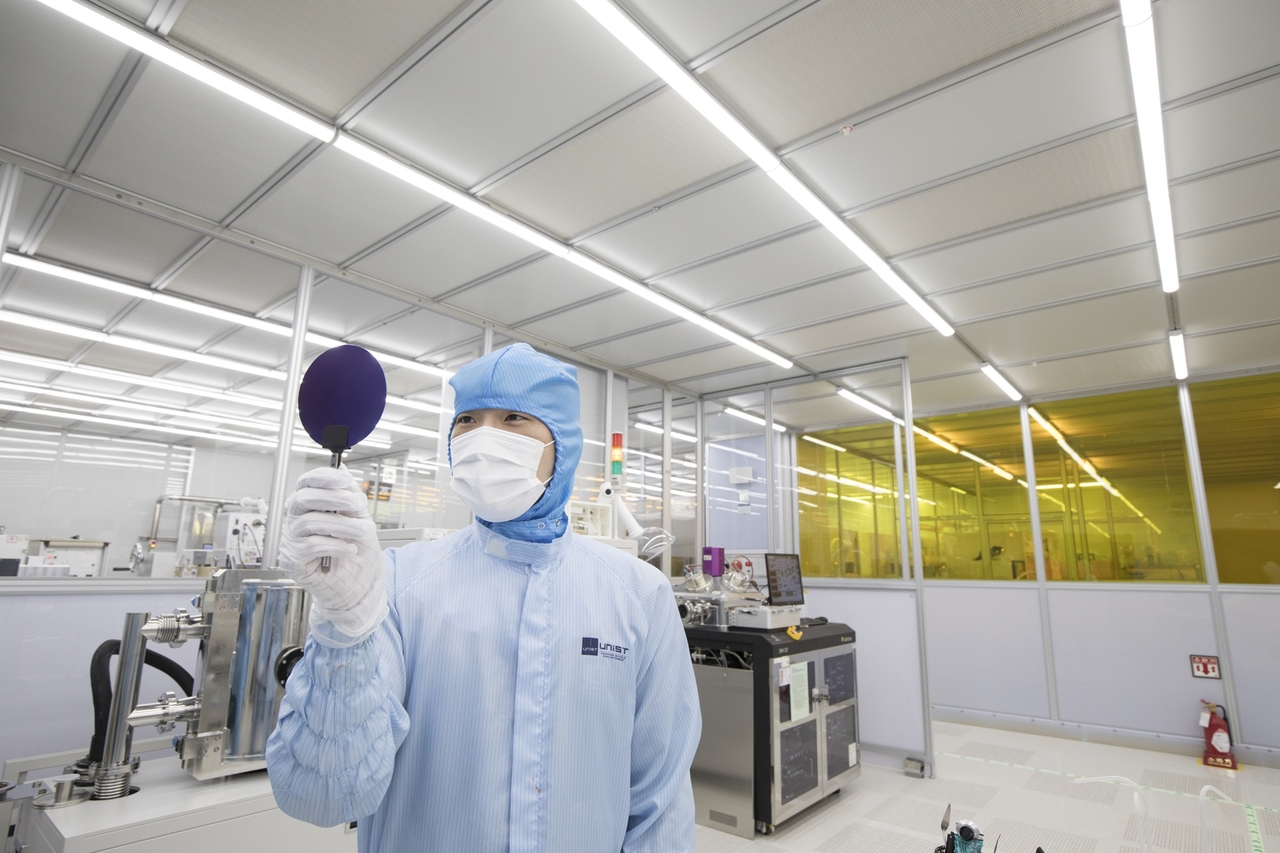
On the second day, Friday, a range of commercialization programs will bring deep tech startups together with investment professionals.
Experts from venture capital firms, accelerators and company builders will share startup know-how and offer tailored investment consulting for individual companies.
A "One-Minute Startup Pitching Studio" will also run, giving prospective founders one minute to present their business ideas and receive expert feedback. Thirteen deep tech startups will also take part in "NEST Demo Day," where they will have their technology and business viability assessed by domestic and international investment professionals.
Throughout the two-day event, 14 exhibition and consulting pavilions and 135 booths will operate around three themes: "Lab Imagination," "Deep Tech Startup" and "World Business."
General visitors will be able to examine prototype products developed by public research institutions, while researchers and prospective founders can receive specialized consulting on technology transfer, startup formation and investment attraction.
Koo Hyeok-chae, first vice minister of science and ICT, said the event offers a chance to experience the full arc of public technology commercialization — from laboratory research through startup formation and investment to market entry. "We hope that young science and engineering students and researchers pursuing deep tech ventures, as well as any member of the public with an interest in science and technology, will come and experience firsthand the future that research can create," Koo said.
nbgkoo@heraldcorp.com