Insucheon stream restored to public use; 1.74-km healing deck road to open fully in November
Seven unlicensed eateries shut down as district eyes stay-based tourism around Bukhansan
Gangbuk-gu in Seoul is pressing ahead with plans to transform the Ui-dong valley — fed by the Insucheon stream — into a stay-based wellness tourism destination that blends nature, culture and relaxation, following a years-long effort to restore public access to the waterway.
The district aims to return the valley, long degraded by illegal operations and unauthorized occupation, to residents while developing the broader Bukhansan area into Seoul's premier wellness tourism zone.
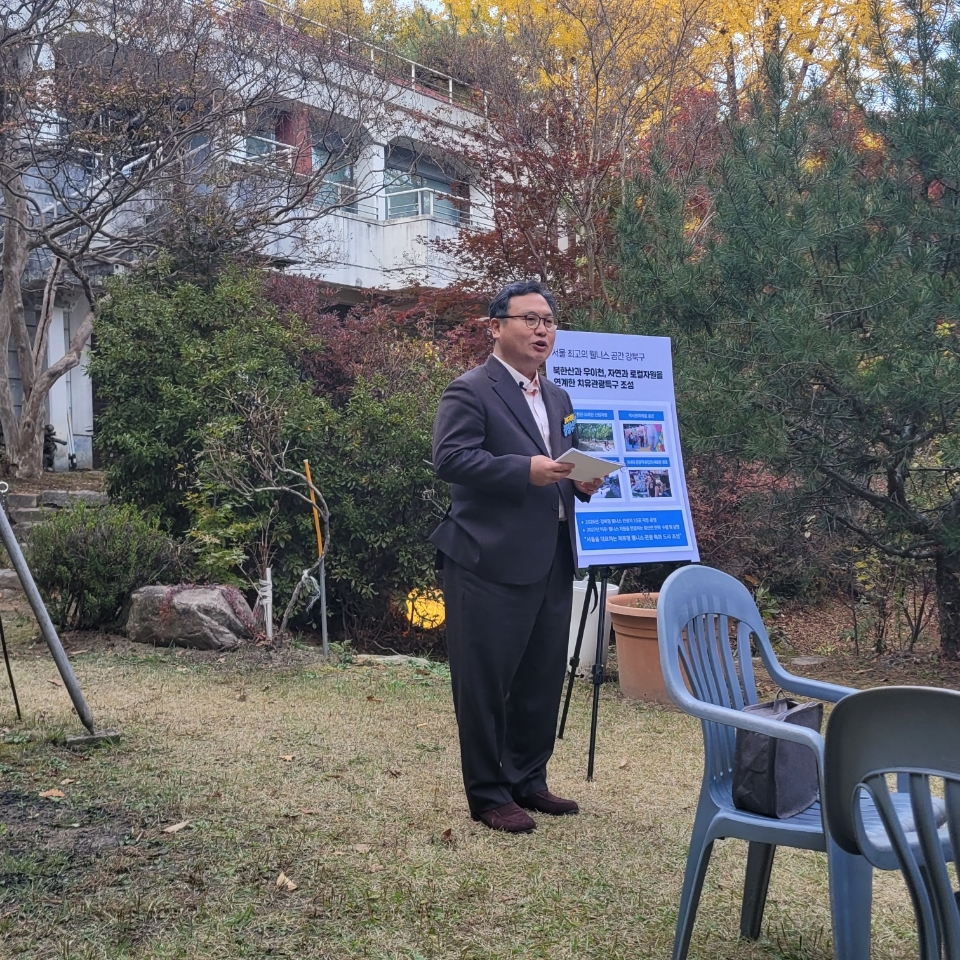
Gangbuk-gu invited Seoul-based press on Wednesday to tour key sites in its wellness tourism initiative, including the Ui-dong valley and the Park Eul-bok Embroidery Museum.
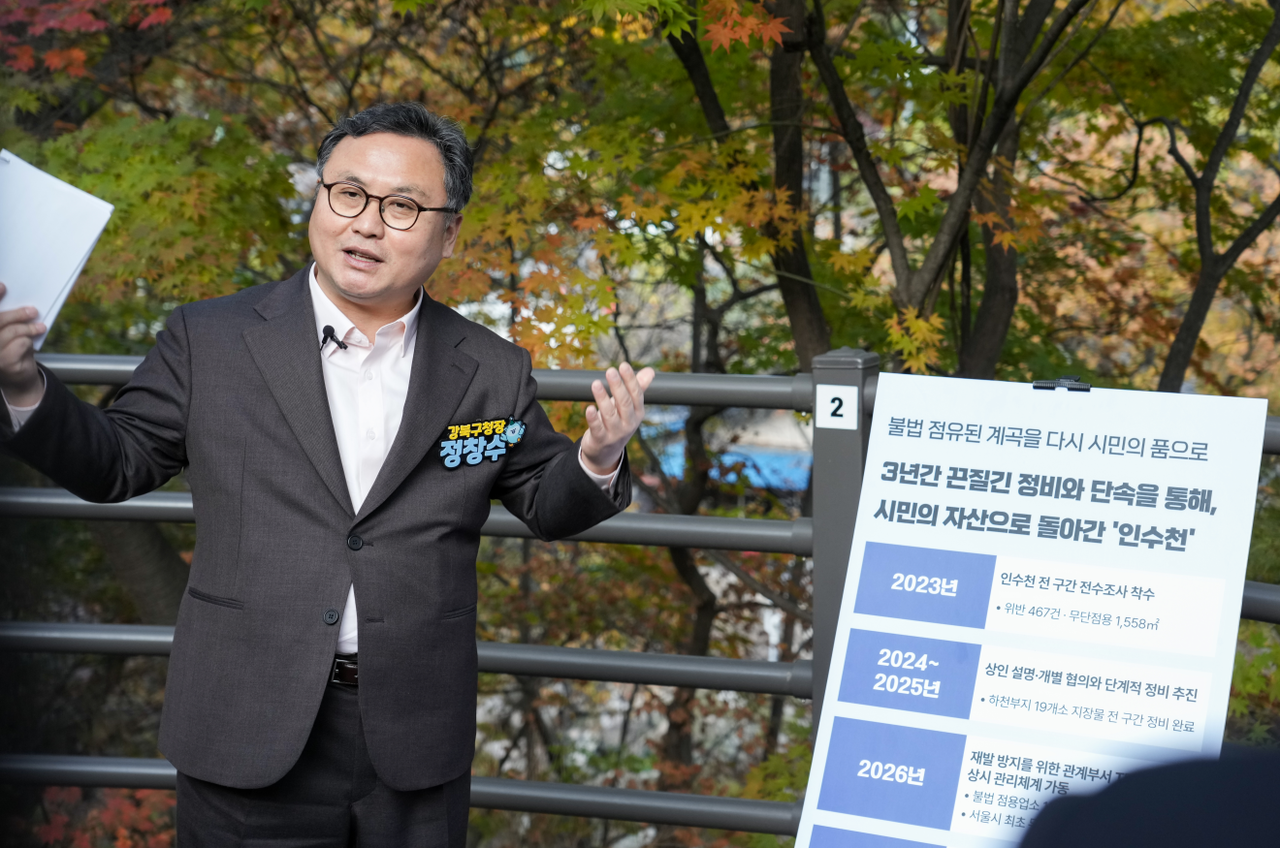
The press tour was organized to showcase the results of the Insucheon restoration effort that began in 2023, outline recurrence-prevention measures strengthened under the current district administration, and share the district's broader tourism strategy, including progress on the healing deck road project.
The Insucheon stream is one of Ui-dong's defining natural features, running along the foot of Bukhansan. For years, however, some businesses illegally installed platforms, tents and wooden decks on the streambed and operated there, effectively treating sections of the public waterway as private property.
A comprehensive survey Gangbuk-gu conducted across the entire Insucheon corridor in 2023 found 467 violations, with unauthorized occupation covering 1,558 square meters.
The district persuaded vendors to voluntarily clear their installations through sustained outreach and individual consultations, and completed the removal of all encroachments along the full length of the streambed between 2024 and 2025 — reclaiming public access to a waterway that had long been mired in privatization disputes.
Since the start of the current administration, the focus has shifted to post-restoration management. A cross-departmental TF conducts regular inspections for illegal occupation and unlicensed operations to prevent a recurrence.
Enforcement has been particularly firm: two of the seven unlicensed eateries near the Insucheon stream were ordered to close, among other strict administrative measures. All seven unlicensed establishments have since ceased operations.
The district is also expanding pedestrian infrastructure so residents can enjoy the restored valley with ease. A 1.74-kilometer healing deck road under construction in the Ui-dong 338 area is on track to open along its full length in November.
The project will install a deck walkway, rest facilities and lighting to improve access from Bukhansan Ui Station to the Ui-dong valley and the Bukhansan Dullegil trail network. The goal is to create a space where visitors can stroll along the stream, enjoy nature and rest.
The district also plans to incorporate a vision for the Insucheon stream's future use into a comprehensive small-stream improvement plan scheduled for adoption in January 2028, balancing flood prevention and water-quality protection with expanded public waterfront access.
Gangbuk-gu's tourism strategy extends well beyond valley restoration. The district is focused on building a tourism model that keeps visitors in the area by combining Bukhansan's natural environment with local cultural and arts programming and hands-on experiences.
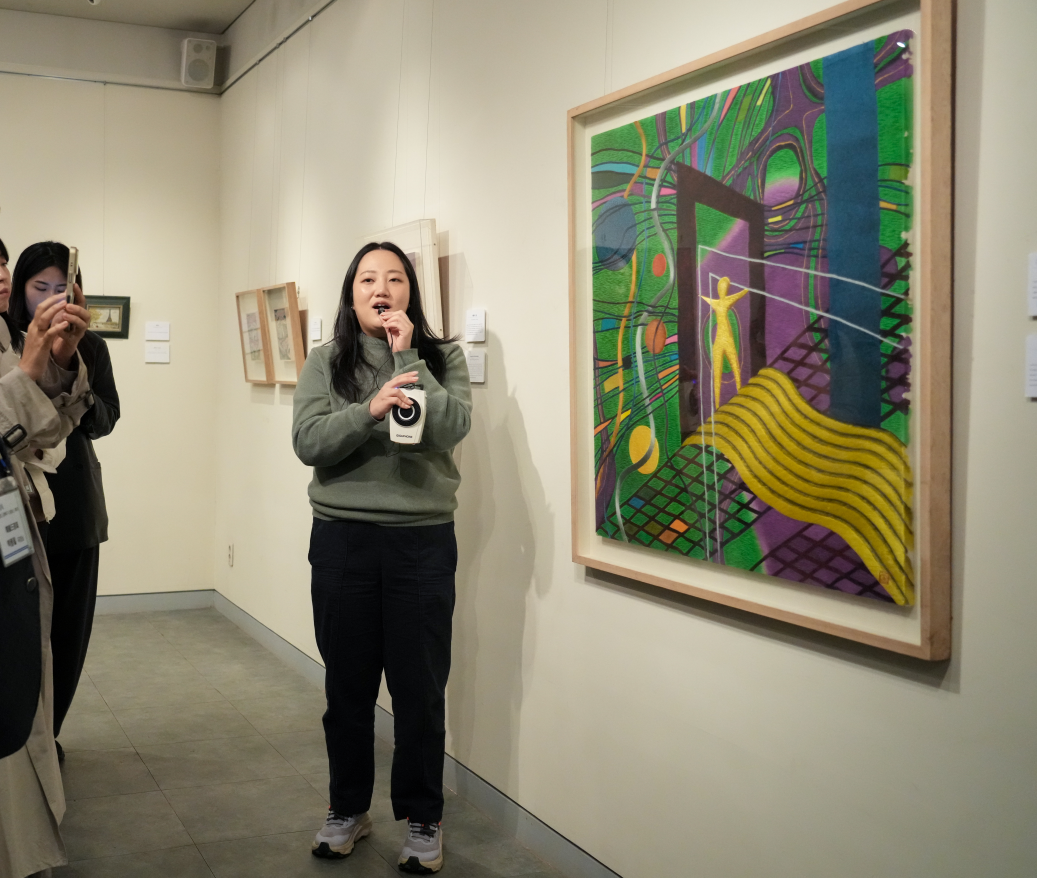
The Park Eul-bok Embroidery Museum, which the press visited Wednesday, preserves and presents the works and artistic legacy of Park Eul-bok, a pioneer of modern Korean embroidery. The museum was designated this year as a Gangbuk-style wellness tourism site in recognition of how it weaves together the natural setting at the foot of Bukhansan, an outdoor garden, artwork viewing and textile art experiences.
Journalists took part in "Juno Sand," a hands-on wellness tourism program offered at the museum, and toured the galleries with commentary from a curator.
Gangbuk-gu has designated 10 locally distinctive venues as Gangbuk-style wellness tourism sites this year and plans to link Bukhansan, the Ui-dong valley, Solbat neighborhood park, cultural and arts spaces, and local commercial districts into a single tourism circuit.
The aim is to move beyond promoting individual attractions and instead build a stay-based tourism model in which visitors walk, rest, experience culture and patronize local businesses — all within a natural setting. To that end, the district plans to analyze visitor numbers, satisfaction levels and length of stay at each hub to refine tourism content and route planning.
"It is important to rediscover the value of the tangible and intangible assets Gangbuk-gu already possesses, connect them with one another, and turn them into something greater," District Mayor Jeong Chang-su said. "We will continue to protect the public character of the Ui-dong valley while tightly linking nature, culture, rest and experience to strengthen Gangbuk-gu's distinctive edge in wellness tourism."
"We will connect our wellness hubs to develop the Bukhansan area into a representative stay-based wellness tourism zone for Seoul, and ensure that visitors' extended stays and spending translate into vitality for the local community," Jeong added.
seouldream01@heraldcorp.com