A person in their 20s developed jaundice after just 3 days on ashwagandha; a review of 26 cases adds to the evidence
US Pharmacopeia recommends liver-warning label for turmeric supplements
Reactions appear in only some people, making them hard to predict — but most recover after stopping

A 27-year-old with no prior health conditions went to the hospital complaining of full-body itching and yellowing of the eyes and skin. Liver enzyme levels (ALT), a marker of liver damage, had climbed to 952. That is roughly 29 times the upper limit of the normal range of 33.
Tests for hepatitis viruses and autoimmune conditions all came back negative, leaving doctors without an explanation at the time of admission. When liver enzyme levels remained elevated more than a month later, the patient went to the emergency room — and a clue emerged. The patient had been taking a supplement containing ashwagandha, an herb sometimes called India's ginseng, starting three days before symptoms appeared.
A research team at the University of Antioquia in Colombia recently published the case in the international journal Case Reports in Hepatology.
Using a standardized scoring tool to assess the cause of liver injury, the research team concluded that ashwagandha was the "probable" cause.
Ashwagandha, turmeric and green tea extract are among the supplements many people take without concern, reassured by their natural origins. This year, however, a series of studies and warnings from the international academic community have examined the link between these ingredients and liver damage.
Taken for stress, linked to liver damage
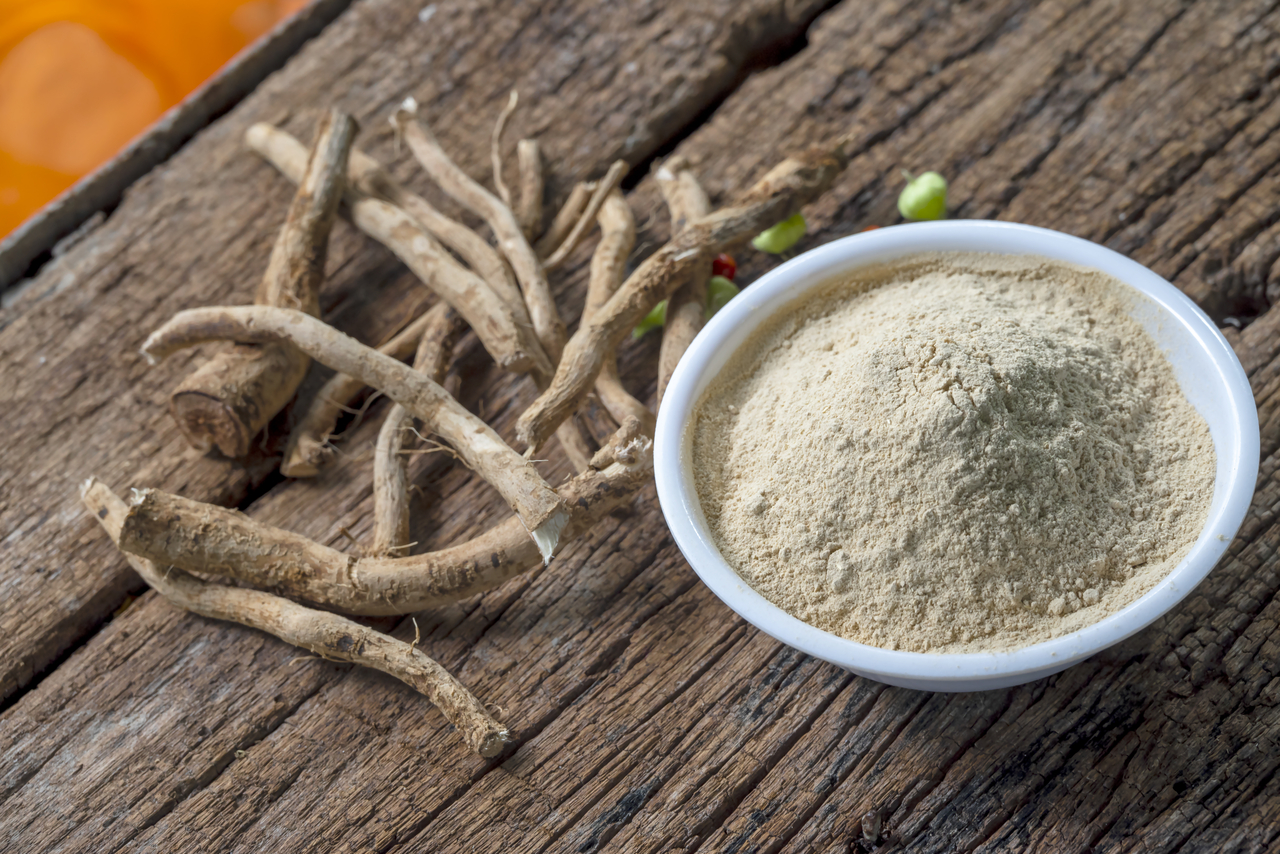
Ashwagandha is an herb used in traditional Indian medicine that gained popularity at home and abroad for its purported ability to reduce stress and anxiety.
A research team at King Saud bin Abdulaziz University for Health Sciences in Saudi Arabia published a systematic review of 26 cases of liver injury following ashwagandha use in the Egyptian Journal of Internal Medicine in July.
The patients had an average age of 37.8, and 23 of the 26 developed jaundice; severe itching was also common. The most frequently cited reasons for taking ashwagandha were anxiety, preparation for pregnancy and stress relief.

Daily doses ranged from 450 milligrams to 2,100 milligrams, with some patients having taken the supplement for more than a year. The products came in a variety of forms, including gummies, capsules, powder and syrup.
The research team found no clear dose-response relationship — meaning higher doses did not consistently produce worse outcomes — and classified the reactions as idiosyncratic responses that occur only in certain individuals. Most patients recovered after stopping ashwagandha, though severe cases required intensive care or even liver transplants.
The research team concluded that "although it appears safe, ashwagandha can cause liver injury." The team acknowledged that, as a case-series analysis, the literature likely skewed toward more severe cases, and that the true frequency of such reactions could not be determined.
Turmeric supplements to carry liver warning
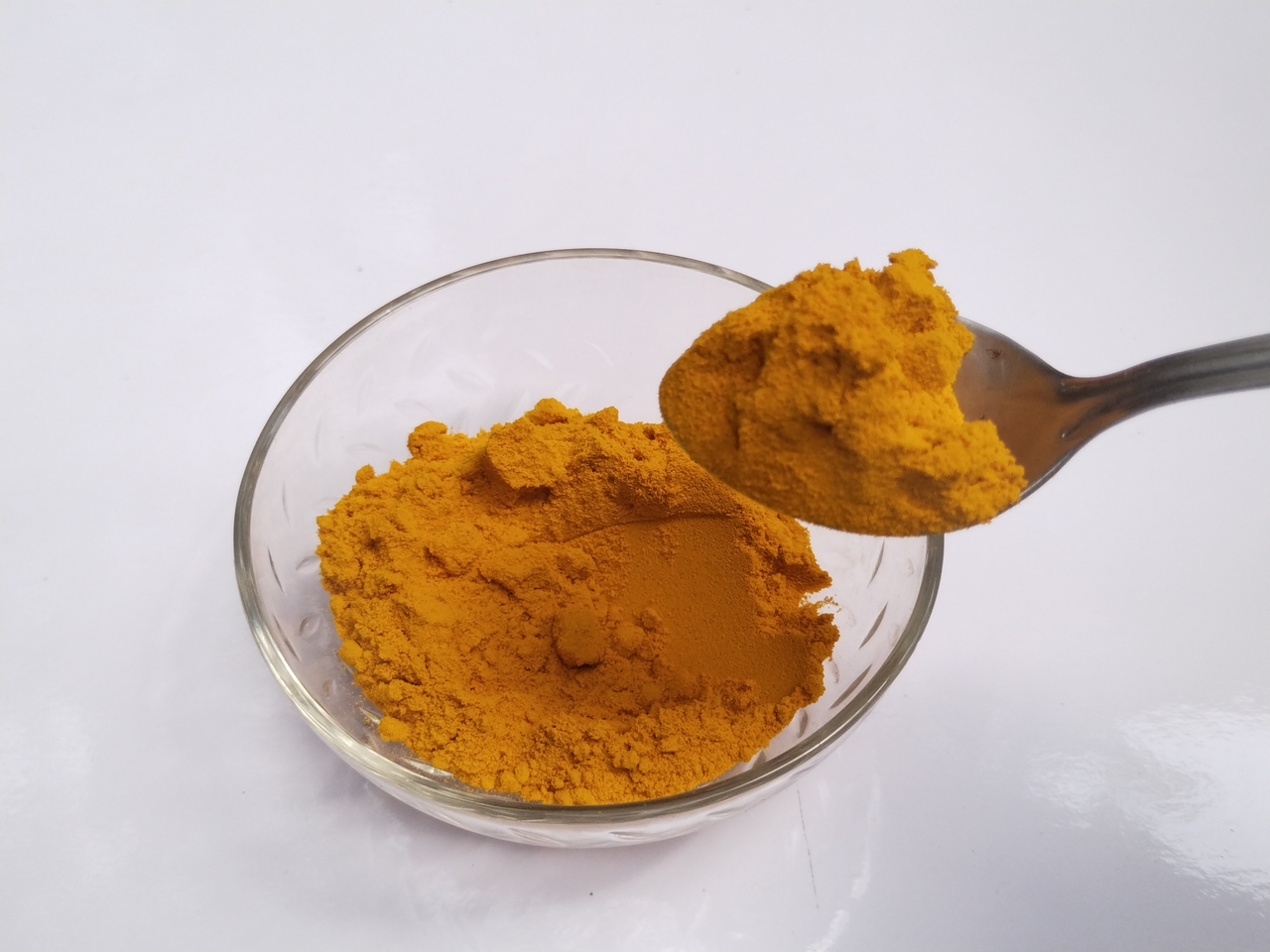
Turmeric, a widely sold supplement marketed for joint health, has drawn similar scrutiny.
The Dietary Supplements Expert Committee of the United States Pharmacopeia, which sets quality standards for drugs and supplements, published a review of the liver safety of turmeric and curcumin supplements in the journal Pharmaceutical Biology in June. Curcumin is the key active compound in turmeric.
The committee identified about 30 cases of liver injury in the literature it reviewed. Liver damage typically appeared after one to four months of taking turmeric supplements and resolved after discontinuation. A small number of cases progressed to acute liver failure.
In clinical trials, no serious adverse effects were reported at doses of up to 12 grams per day. A significant portion of the liver injury cases involved patients who were also taking other medications or supplements.
The committee recommended adding a warning to the quality standards for turmeric and curcumin products stating that liver problems have been "very rarely reported" in people taking supplements containing the ingredients.
In response, Health Canada made liver-injury warning labels mandatory on turmeric and curcumin products after reviewing 12 domestic cases and more than 60 international ones. Australia, Italy and France have also moved to update product labeling and taken other related measures.
Certain gene variant raises liver injury risk
Why do these liver injuries occur in only some people? Research on green tea extract has offered a clue.
When a research team from the US Drug-Induced Liver Injury Network analyzed the genes of patients who had suffered liver damage from green tea supplements, 72 percent carried a specific immune gene variant, HLA-B*35:01.
Only about 11 percent of the general population carries this variant. The team concluded that green tea-related liver injury is an idiosyncratic immune-mediated reaction.
The problem is that there is no straightforward way for individuals to know in advance whether they carry this variant. According to the US National Institutes of Health, between 5 and 15 percent of Americans have it.
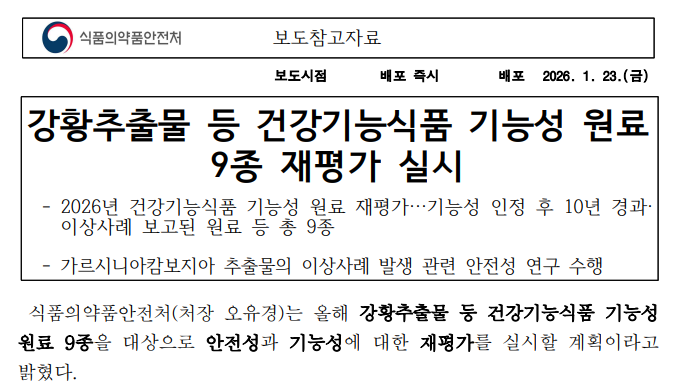
A review is also underway in South Korea.
South Korea's Ministry of Food and Drug Safety is reassessing the safety and efficacy of nine functional ingredient categories used in health functional foods this year, including turmeric extract. Results are expected by the end of the year. Depending on the findings, functional ingredient approvals could be revoked, or recommended daily intake levels and caution notices could be revised.
References
DOI: 10.1155/crhe/8417352
Pérez Pérez S, Zumaqué-Valverde E, Saavedra Chacón MF, Arteta Cueto AA. Ashwagandha-Induced Herb-Induced Liver Injury Assessed With the Updated 2016 RUCAM. Case Reports Hepatol. 2026;2026:8417352. Published 2026 Jul 29.
DOI: 10.1186/s43162-026-00683-2
Felemban R, Aljefri L, Shaheen Y, et al. Ashwagandha-induced liver injury: a systematic review of case reports. Egypt J Intern Med. 2026;38:97.
DOI: 10.1080/13880209.2026.2693375
Akhtar N, Barnes J, Gardiner P, et al. Rarely reported cases of hepatotoxicity associated with turmeric- and curcuminoid-containing dietary supplements: a comprehensive review by USP. Pharm Biol. 2026;64(1):866-901.
DOI: 10.1002/hep.31538
Hoofnagle JH, Bonkovsky HL, Phillips EJ, et al. HLA-B*35:01 and green tea-induced liver injury. Hepatology. 2021;73(6):2484-2493.
dbsdn1110@heraldcorp.com