Ministry of Interior and Safety announces draft revision to Local Tax Act enforcement decree
Surtax exemptions for unsold regional apartments, rental housing in depopulating areas extended one year
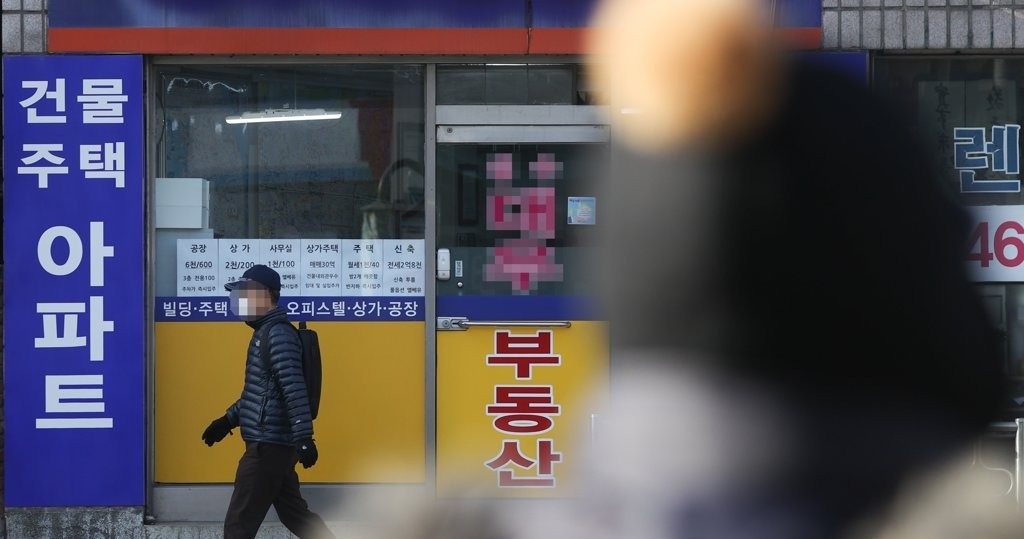
The government plans to ease the acquisition tax surtax criteria for luxury homes, reflecting changes in housing market conditions including rising publicly assessed prices. The threshold will be raised from 900 million won ($671,000) to 1.2 billion won, bringing the taxable range in line with current market realities. The revision will also address cases where homes were unfairly subject to the surtax because existing rules did not account for regional differences in housing size or common areas in apartment complexes.
The Ministry of Interior and Safety recently announced a draft revision to the Local Tax Act enforcement decree that would raise the luxury home acquisition tax surtax threshold from a publicly assessed value exceeding 900 million won to one exceeding 1.2 billion won. Rising assessed prices had effectively broadened the range of homes classified as luxury properties under the unchanged existing standard, prompting the adjustment. Some homes previously subject to the surtax will see their acquisition tax burden reduced as a result.
Beyond the price threshold, the revision will differentiate floor area standards by region to better reflect local housing characteristics. For detached homes, the current Greater Seoul standard — a total floor area of 331 square meters and a lot area of 662 square meters — will be kept in place. Outside Greater Seoul, the threshold will rise to about 150 percent of the current level, or approximately 496 square meters of total floor area and 993 square meters of lot area. The change is intended to reduce excessive surtax burdens on homes in regional areas, where housing and lot sizes tend to be larger.
The floor area calculation standard for apartments and other multi-unit housing will also be revised. To prevent cases where excessive common areas trigger an unfair surtax, the ministry plans to introduce a cap on excludable common area, set at 100 percent of the exclusive use area plus the area of essential facilities. Regional floor area standards for multi-unit housing will be updated alongside this change.
The draft revision also includes a range of additional measures aimed at boosting housing supply and supporting struggling regional housing markets.
The surtax exemption for completed but unsold apartments in regional areas — and for corporate restructuring real estate investment trusts that purchase such units — will be extended by one year through 2027. The exemption from the surtax and from home-count calculations for private rental housing in depopulating areas will likewise be extended by one year.
The Ministry of Interior and Safety said the revision was intended "to rationalize the tax burden by reflecting real-world changes such as rising publicly assessed prices, and to inject vitality into the sluggish regional housing market," adding that it would gather opinions from various sectors during the public notice period before completing the amendment process.
thlee@heraldcorp.com