Only 1 of 3 rulings delivered — appeal clocks run separately
Nearly two months past the 30-day deadline
'No procedure to reverse a notice once issued'
Fears of subcontractor union wage demands becoming reality
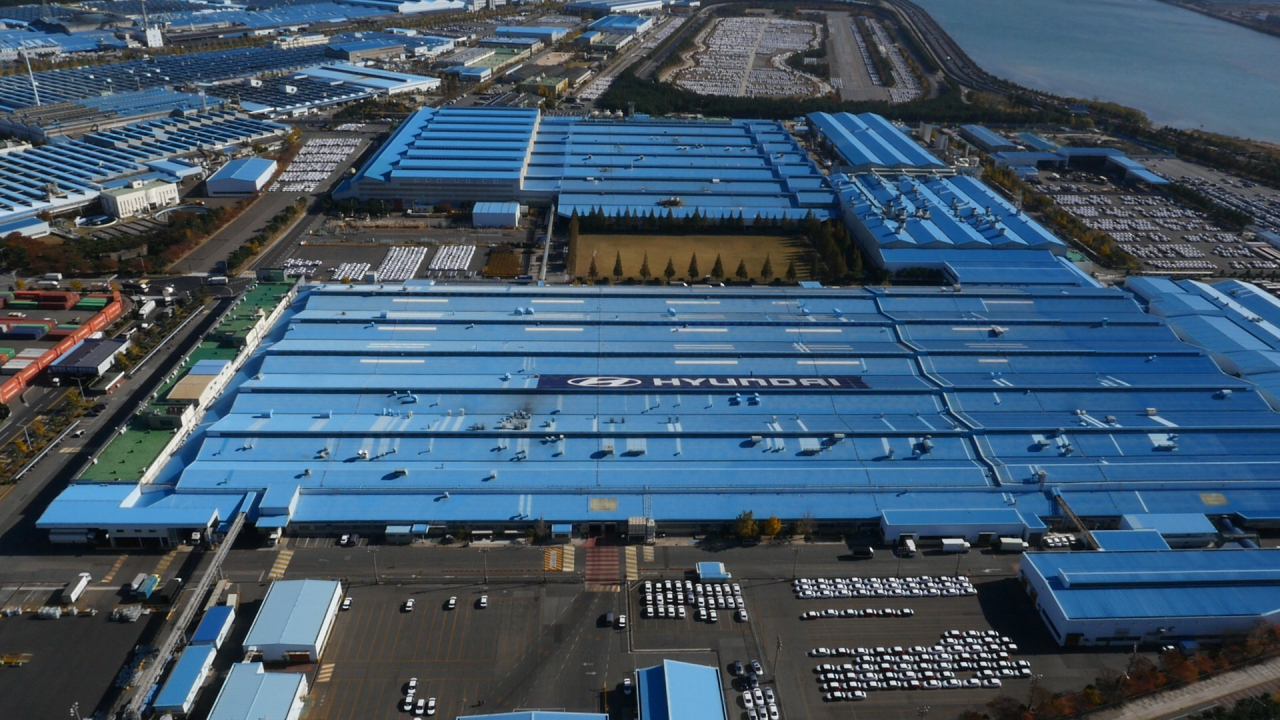
The National Labor Relations Commission issued a three-part ruling in the Hyundai Motor direct-bargaining case but has delivered only one of the three written decisions, leaving both Hyundai Motor and the subcontractor union unable to review the full reasoning before deciding whether to appeal.
According to labor and automaker industry sources Friday, the commission split the Hyundai Motor case on Aug. 31 into three separate decisions covering the production sector, the cafeteria and security sector, and the sales sector. Of the three, only the cafeteria and security ruling has been served — delivered Oct. 27 — while the other two remain outstanding.
Each ruling starts its own appeal clock
The appeal deadline runs separately for each decision. According to the Ministry of Employment and Labor, because the cases were split, the 15-day appeal window begins from the date each written ruling is served. For the cafeteria and security sector — the only decision delivered so far — the parties must decide whether to file suit by Wednesday.
Hyundai Motor and the union are therefore making their first litigation decision without having seen the reasoning behind the production ruling or the sales ruling, in which the commission rejected employer status for car-master sales agents. Observers note that because the commission recognized broader employer status in the cafeteria and security sector than the Ulsan Regional Labor Relations Commission had, the remaining decisions could still hold surprises.
The commission said the production-sector ruling is currently being served and the sales-sector ruling is still being drafted. Under labor commission rules, all decisions in this case were due by Sept. 30, but the commission missed that deadline, citing the complexity of the case.
The commission had previously explained that the case involved more than 40 related subcontractors and a case record exceeding 12,000 pages, requiring extensive review and drafting time. It took 57 days from the ruling before even the first written decision was delivered.
An industry official said the situation creates a near-impossible judgment call. "If a company posts a notice on industrial safety grounds and a different ruling then comes out for the production or sales sector, there is no procedure to retract the notice," the official said. "But failing to post the notice could constitute an unfair labor practice — that is what makes this so difficult to navigate."
Commission leaves bargaining scope open — wages set to dominate talks
With the commission leaving the scope of bargaining topics unresolved, wages are expected to become the central flashpoint at the negotiating table. The commission recognized Hyundai Motor's employer status with respect to industrial safety-related working conditions but did not separately rule on the union's other demands, including performance bonuses and wage increases.
The commission's position is that it made no determination on employer status regarding wages, meaning neither recognition nor rejection can be assumed. It said the parties should first negotiate and consult on the agenda, and that any continuing dispute would be adjudicated through an unfair labor practice relief procedure for refusal or neglect of bargaining — effectively passing the most contentious issue to the bargaining table and whatever proceedings follow.
The union has been ratcheting up pressure on Hyundai Motor to post a public notice of bargaining demands. The Korean Metal Workers' Union held a press conference Wednesday at the main gate of the Ulsan factory, criticizing Hyundai Motor for failing to post the notice or begin bargaining even after the commission's ruling. In an earlier statement, the union said the commission had confirmed that "the scope of bargaining cannot be restricted in advance at the stage of posting the notice of bargaining demands."
At Hanwha Ocean, which entered bargaining earlier, a clash over wages is already under way. After its application for a stay of execution was rejected, Hanwha Ocean held its first round of talks with the subcontractor union last month. The union put forward 36 agenda items, including wages and welfare benefits at 80 percent of the level received by regular employees, performance bonuses without discrimination, and employment succession when a subcontractor changes. Hanwha Ocean, citing the commission's ruling and court decisions, has taken the position that talks should focus first on six agenda items related to facility improvements and safety.
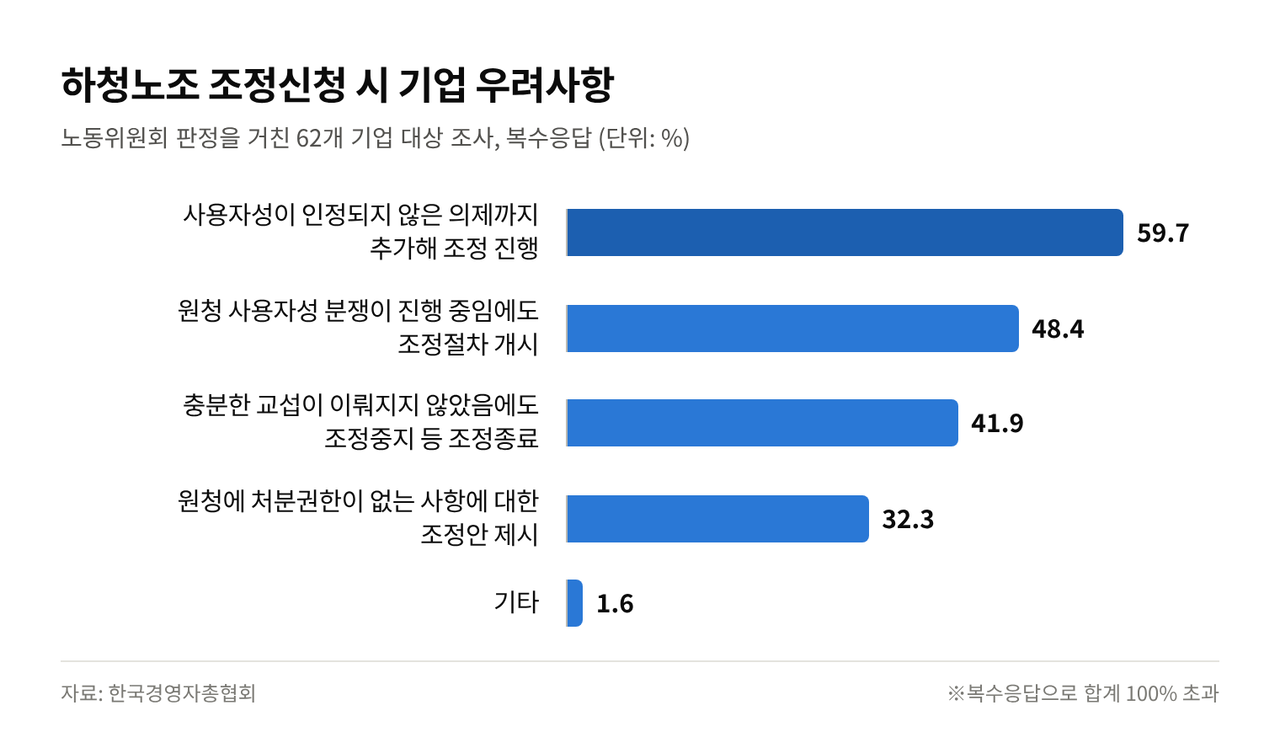
Corporate concern is running high. In a survey the Korea Enterprises Federation recently conducted of 62 companies that had gone through labor commission adjudication, 66.1 percent — the largest share — identified "unreasonable union demands covering agenda items beyond recognized employer status" as their top concern when bargaining with subcontractor unions. Another 43.5 percent said they were worried about unions pressing the primary contractor on wages, union activities and other matters that should be negotiated with the subcontracting firms directly.
"From the legislative debate over the so-called yellow-envelope law, there has been concern that once subcontractor unions secured employer-status recognition on industrial safety grounds, they would use actual bargaining to push for wage and treatment improvements — and that concern is becoming reality," an industry official said. "Both sides are expected to fight this out fiercely in the courts."
eyre@heraldcorp.com
fact0514@heraldcorp.com