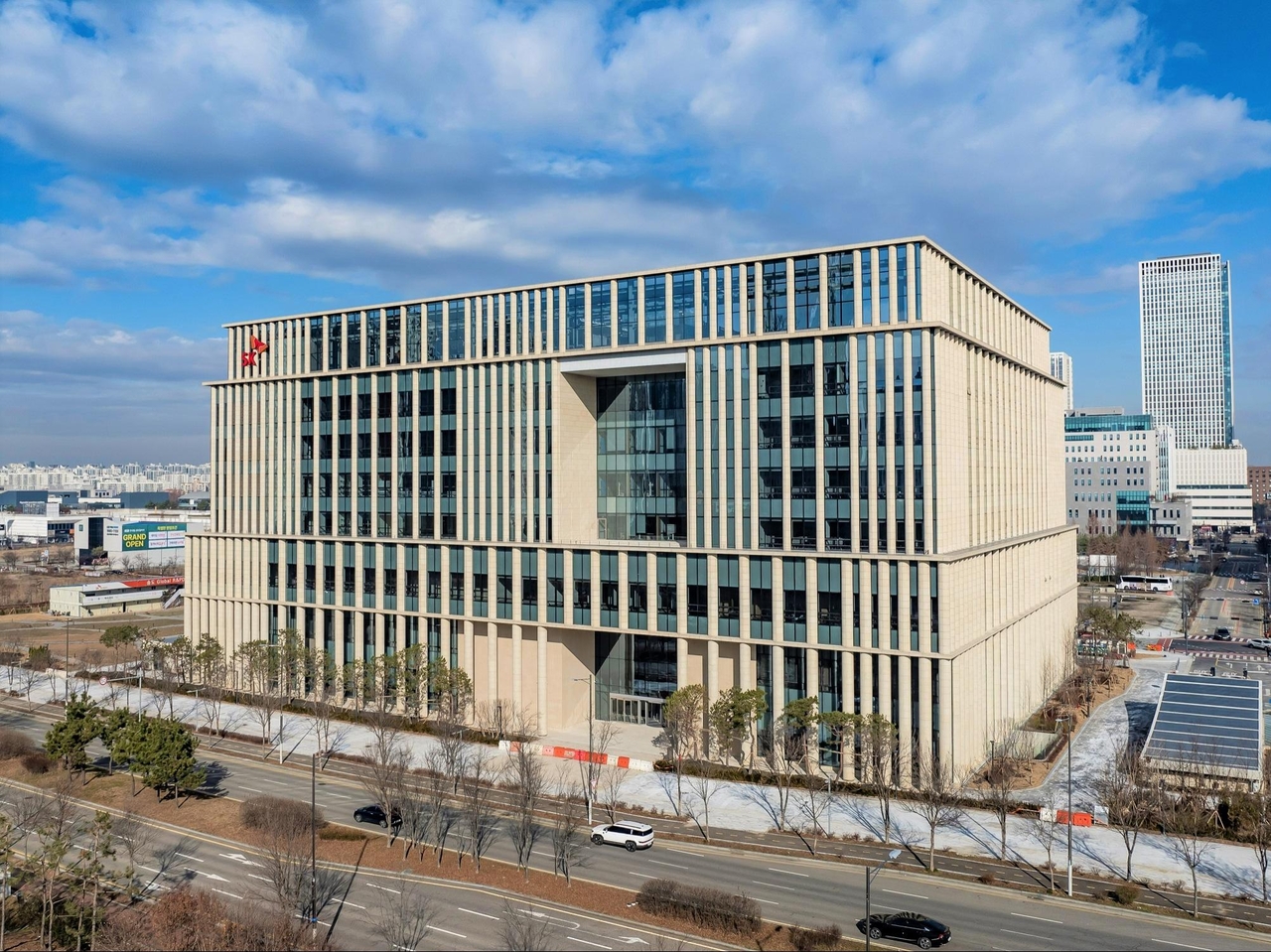
Korea Employment and Labor Education Institute, Korean Association of Industrial Relations co-host fall conference Friday
Survey of 988 education institutions and 2,220 citizens informs life-cycle approach to labor education
Public institution collective bargaining, work-life balance at small businesses also on agenda
Plans to integrate labor education into school civic curricula and tailor it to different life stages — from job entry and career transitions to retirement — are set to be discussed at a joint academic conference Friday. The Korea Employment and Labor Education Institute will present findings from a survey of 988 education institutions and 2,220 citizens, and explore ways to extend labor education to audiences ranging from youth to working adults, career changers and older workers.
The institute announced it will co-host the 2026 Korean Association of Industrial Relations Fall Academic Conference on Friday at the Franciscan Center in Jeong-dong, Seoul. Sessions led by the institute will cover findings from a nationwide survey on labor education across the life cycle, as well as labor issues at public institutions and small businesses.
The institute examined both the supply and demand sides of labor education as part of efforts to establish a statutory survey framework following the legalization of labor rights education. On the supply side, it analyzed 988 institutions within the labor education delivery system and conducted in-depth interviews with 22 staff members. On the demand side, it surveyed 2,220 citizens and held focus group interviews with 20 members of vulnerable groups, supplemented by in-depth expert interviews.
The survey findings are expected to call for incorporating labor education into public school civic curricula, developing specialized programs tailored to each life stage, and building a stable institutional foundation for sustained education delivery. The institute envisions expanding labor education beyond its traditional focus on labor-management relations and labor law to cover the full arc of working life, equipping people at each stage with the labor rights knowledge they need to navigate a changing work environment.
Presentations on workplace-specific issues will also be featured. In the public institution sector, collective bargaining agendas will be analyzed case by case to identify areas where labor education can be strengthened. In the small-business sector, the operational status and on-site receptiveness of work-life balance programs will be examined, with proposals offered for improving the system and promoting broader education uptake.
The institute said it plans to use the conference as a springboard for expanding life-cycle labor education in collaboration with academia, and to further develop programs aimed at strengthening the capacity for social dialogue between labor and management, as well as training systems for employment and labor administration specialists.
fact0514@heraldcorp.com