Behind every public figure's appearance lies a personal wellness routine. This series examines the diets, workouts, procedures, and beauty and fashion habits of people in the spotlight.
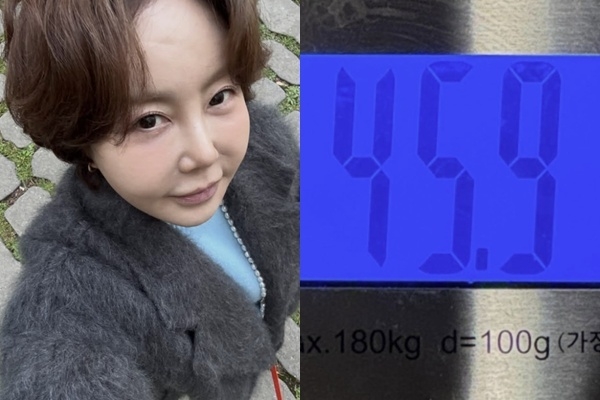
Broadcaster Hwang Hye-young, 53, a former member of the pop group Two Two, has drawn attention after revealing she lost about 9 kilograms following a shocking health checkup result. Rather than starving herself, she said she cut out late-night eating, increased her protein intake and added strength training to her routine. Experts say meal timing and food choices influence appetite and energy expenditure, and that maintaining muscle mass is key during weight loss.
Hwang shared her progress on SNS on Tuesday, posting records showing her weight had dropped from 54.5 kilograms to 45.9 kilograms. She said she was entering her sixth month of dieting and that several abnormal readings from a health checkup last spring had been the catalyst for the change.
"The only thing I completely cut out was late-night snacking," she said, explaining that rather than giving up the pleasure of eating, she focused on adjusting the type and amount of food she consumed while exercising regularly. She added that she had been careful to protect her protein intake and muscle strength — both of which can decline during weight loss — and that her goal going forward was to lose weight slowly and keep it off.
Does eating late make you hungrier? The link between meal timing and appetite
Cutting out late-night eating helps with weight management largely because of its effect on total daily calorie intake. Eating snacks or delivery food after dinner makes it easy to consume more calories over the course of a day. For people who have made late-night eating a habit, simply reducing the number of meals and snacks can meaningfully lower overall calorie consumption.
Research also suggests that the timing of meals itself affects appetite and energy expenditure.
A clinical trial published in 2022 in the international journal Cell Metabolism, conducted by researchers at Brigham and Women's Hospital and Harvard Medical School, analyzed how the body responds to different meal times. The team gave 16 overweight or obese adults identical meals in identical quantities, then compared what happened when mealtimes were shifted about four hours later.
Participants reported greater hunger when eating later, and changes were observed in the balance between ghrelin, which stimulates appetite, and leptin, which signals fullness. Energy expenditure during waking hours fell, and fat tissue showed gene expression changes that favored fat storage.
The findings suggest that even with the same food, eating later can alter appetite regulation and energy metabolism. Because the study was small and short-term, however, long-term weight changes in real life involve a range of additional factors, including sleep, physical activity and total calorie intake.
A 2024 analysis published in JAMA Network Open also found benefits from adjusting meal timing. Researchers analyzed 29 randomized clinical trials involving 2,485 adults and found that participants who concentrated their daily calorie intake earlier in the day lost an average of 1.75 kilograms more than comparison groups.
The optimal meal schedule varies by individual lifestyle. Finishing meals at a consistent time, cutting unnecessary late-night snacks and ensuring adequate nutrition during the day are approaches that support sustained weight management.
Why strength training matters when you lose weight
Another habit Hwang emphasized during her weight loss was protein intake and strength training. Restricting food intake to lose weight can reduce not only body fat but also lean tissue, including muscle. This is particularly important for people in middle age and beyond, as muscle mass and strength naturally decline with age, making muscle preservation a priority during any weight management effort.
Muscles do more than move joints and support the body — they are also a primary tissue for absorbing and storing glucose from the bloodstream. Maintaining adequate muscle mass and strength makes everyday physical activity easier and supports blood sugar regulation and metabolic health.
A 2025 analysis published in BMJ Open Sport & Exercise Medicine illustrates the role of strength training during weight loss.
Researchers compared overweight and obese adults who followed dietary restrictions alone with those who combined diet with strength training. While total weight loss was similar between the two groups, those who added strength training lost less lean mass. They also showed greater reductions in body fat and greater gains in muscle strength.
Even when the number on the scale looks the same, the ratio of fat to muscle in the weight lost can make a meaningful difference to physical function.
Preserving muscle requires adequate protein intake even while cutting overall food consumption. Distributing protein-rich foods — eggs, fish, lean meat, tofu and legumes — across meals, and pairing that with exercises engaging large muscle groups such as squats and lunges, are practical approaches. Exercise intensity should be increased gradually in line with individual strength and joint condition.
Health checkup numbers matter more than the 9 kg lost
The direct trigger for Hwang's diet was her health checkup results. Even when body weight falls within a normal range, blood pressure, blood sugar and blood lipid levels can still be abnormal, so checkup results should be factored in when setting weight management goals.
The US Centers for Disease Control and Prevention recommends balanced eating, regular physical activity, adequate sleep and stress management for healthy weight control. It notes that for people who are overweight, losing as little as 5 percent of body weight can improve certain health markers, including blood pressure, cholesterol and blood sugar.
Appropriate body weight, however, varies by height, body composition, age and health status. Based on Hwang's disclosed height of 157 centimeters and current weight of 45.9 kilograms, her body mass index works out to approximately 18.6 — near the lower end of the normal range. Under South Korean health checkup standards, a BMI below 18.5 is classified as underweight.
Whether further weight loss would benefit her health therefore depends on a comprehensive assessment that goes beyond blood pressure, blood sugar and lipid levels to include body fat, muscle mass and nutritional status.
Sustained exercise is also necessary to keep lost weight off. The CDC recommends that adults get at least 150 minutes of moderate-intensity aerobic activity per week along with strength training at least twice a week, noting that the amount of activity needed to maintain weight varies by individual.
After achieving a weight management goal, the priority shifts to continuing exercise and stabilizing eating habits. Managing late-night and unnecessary snacking while maintaining adequate nutrition and regular strength training — rather than severely restricting meals — supports long-term health.
rainbow@heraldcorp.com