Last year's income and this year's property changes reflected; rates apply through October next year
Those with reduced income from business closure, retirement can request adjustment; interest and dividend income also eligible
Proactive adjustment possible even when income rises; first premium due Dec. 10
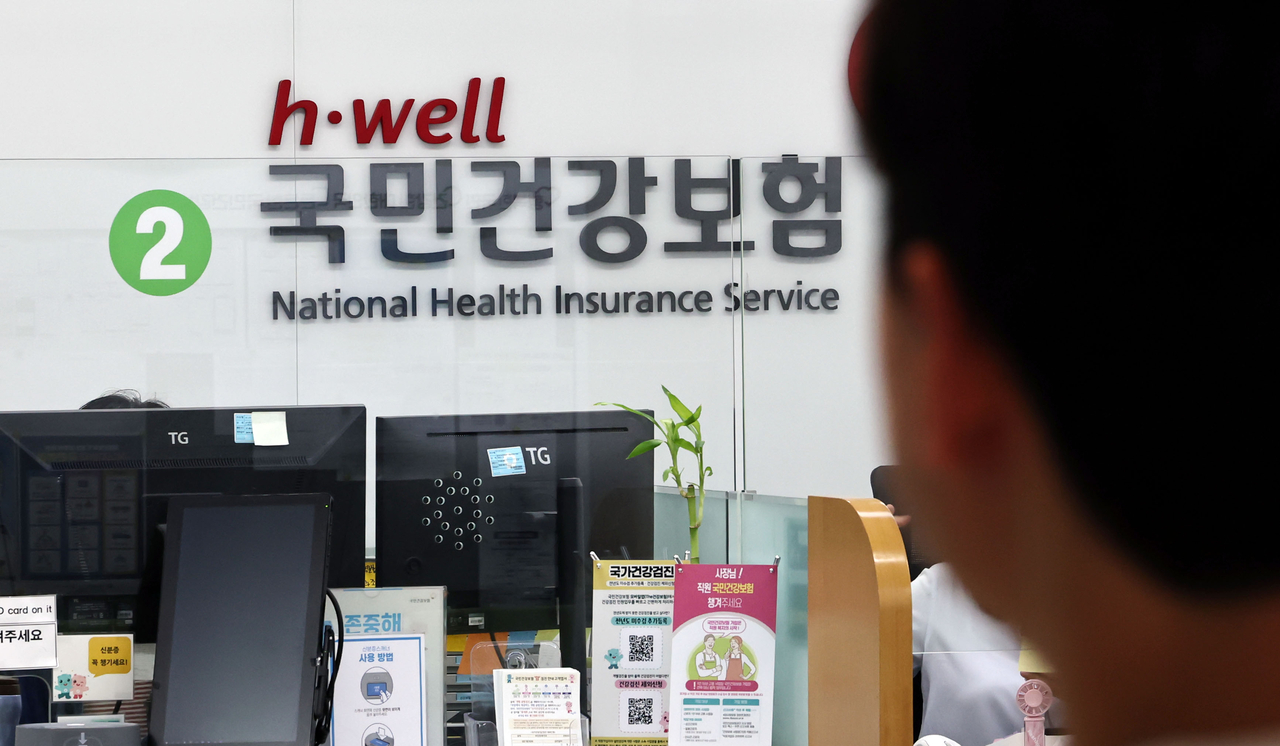
National health insurance premiums for self-employed workers, freelancers, retirees and other locally insured subscribers will be recalculated starting this month.
The new rates will reflect income earned last year and changes in property values recorded this year, meaning some subscribers will see their premiums rise while others will see them fall. Those whose income has dropped due to business closures, suspensions or retirement can separately apply for an adjustment to lower their premium burden.
According to the National Health Insurance Service, premiums for locally insured households will be calculated based on new assessment data beginning with the November billing cycle. The rates set this time will remain in effect for one year through October next year, with the first payment due Dec. 10.
Unlike premiums for employer-insured workers, which are based solely on monthly wages, premiums for locally insured subscribers factor in both income and assets. They are calculated using income reported to the National Tax Service and property tax assessment data held by local governments.
This round of recalculation incorporates comprehensive income attributed to 2025 as well as changes in the property tax base — covering land, housing and buildings — as of June 1 this year. Subscribers who had been paying premiums based on their 2024 income through last month will see their rates change this month depending on whether their income rose or fell last year.
For self-employed workers in particular, those whose business earnings improved last year may face higher premiums, while those whose income declined due to sluggish sales or other factors may see their premiums decrease. Shifts in property tax assessments will also affect premium levels.
One complication is the time lag between the income used to calculate premiums and a subscriber's actual current income. A subscriber who ran a business normally through last year but closed or suspended operations this year may find that premiums based on past income place an excessive burden relative to their current financial situation.
The National Health Insurance Service operates an income adjustment and settlement program for subscribers in this situation. Those whose current income has fallen significantly below past levels can submit supporting documents to have their premiums reduced on a provisional basis.
The adjustment covers not only business and employment income but also interest income, dividends, pension income and other miscellaneous income. Subscribers whose income has dropped due to a business shutdown or retirement are eligible, as are retirees whose financial income — such as bank interest or stock dividends — has decreased.
However, an adjustment does not mean a permanent reduction. The service applies the adjusted premium provisionally and then reconciles the amount once actual income is confirmed through the National Tax Service. If actual income turns out to be higher than what was declared at the time of adjustment, the subscriber must pay the difference; if they overpaid, they will receive a refund.
Adjustments can also be requested when income has increased, not only when it has fallen. Reflecting an income increase in advance can help subscribers avoid a large lump-sum catch-up payment during the settlement process later.
A measure to ease the property-based premium burden for locally insured subscribers also applies. A basic deduction of 100 million won ($74,500) is applied when calculating property-based premiums, and the health insurance premium previously levied on vehicles has been abolished.
Subscribers who need a premium adjustment can visit the nearest National Health Insurance Service branch with supporting documents verifying their income reduction, or submit their application by mail, fax or online.
Even subscribers whose premiums have risen in this regular recalculation should check whether they qualify for an adjustment if their income has dropped significantly this year. Those whose income has been cut off due to business closure, suspension or retirement — or retirees whose financial income has declined — may be better served by applying for an adjustment rather than continuing to pay premiums calculated on past income.
fact0514@heraldcorp.com