China buys 129 tonnes this year despite 7% price drop
PBoC diversifies reserves away from dollar dependence
Retail investors cautioned on gold's price volatility
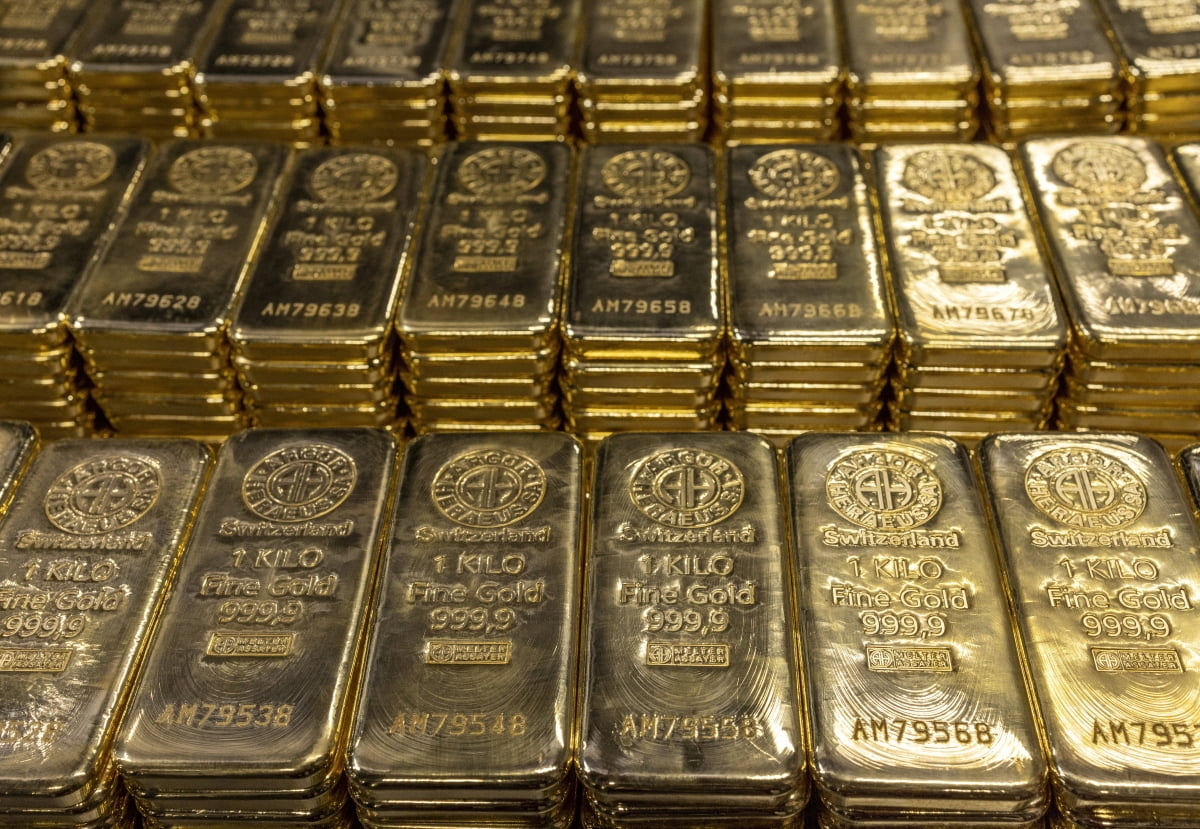
China's central bank has continued buying gold for 24 consecutive months even as international gold prices tumble, with the People's Bank of China purchasing roughly 129 tonnes through October this year.
According to statistics the People's Bank of China released Saturday, the country's gold reserves stood at 78.3 million ounces at the end of October — up 830,000 ounces (about 25.8 tonnes) from the previous month.
The central bank has consistently expanded its gold holdings since November 2024, extending its unbroken buying streak through last month despite a recent decline in international gold prices. Cumulative purchases from January through October totaled approximately 129 tonnes.
China stands out as one of the most aggressive gold buyers among the world's major central banks. According to the World Gold Council (WGC), the People's Bank of China purchased about 63 tonnes of gold in the third quarter alone — the largest amount reported by any central bank that disclosed its purchases.
Global central bank net gold purchases totaled 321 tonnes over the same period, the highest since the fourth quarter of 2024. Major international media outlets have noted that sustained central bank buying has helped cushion prices in a gold market that has otherwise been trending weaker.
Central bank gold purchases differ fundamentally from the short-term profit-seeking of ordinary investors. Gold does not depend directly on any single country's debt obligations or currency value, making it a tool for diversifying foreign exchange reserves. Central banks can therefore continue buying gold in line with long-term reserve management strategies even when prices fall in the short term.
This approach to gold as a long-term reserve asset is not unique to China. A WGC survey published in June found that 89 percent of central bank reserve managers expected global gold holdings to increase over the following year. Some 74 percent of respondents forecast that the US dollar's share of global foreign exchange reserves would decline over the next five years.
Despite continued central bank buying, international gold prices have remained under pressure. Prices fell nearly 7 percent over the course of October, dropping below $4,000 per ounce to their lowest level in a year.
Prices have rebounded somewhat since the recent US midterm elections, but gold is still down more than 20 percent from levels seen before the United States and Iran went to war in late February.
The WGC cited shifting US interest rate expectations, a reduction in speculative investment positions, and a flow of funds into the bond market as the main factors behind the price decline.
The People's Bank of China's buying activity has also influenced retail investor sentiment.
In October, Chinese retail investors purchased gold around the $4,000-per-ounce level, expecting the central bank's sustained buying to support prices over the long term.
Experts caution, however, against treating central bank gold purchases as a buy signal for retail investors. Central banks manage foreign exchange reserves over long time horizons, while retail investors' returns can vary sharply depending on when they buy and how long they hold. Gold pays no interest or dividends, and its price can become highly volatile in response to changes in interest rates and the value of the US dollar.

boo@heraldcorp.com