Supreme Court sentencing panel moves to tighten guidelines for illegal lending and debt collection offenses
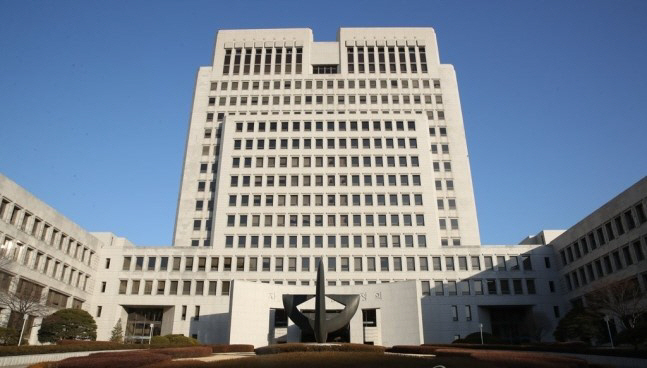
The Supreme Court's Sentencing Commission is pushing to raise the recommended sentencing ceiling for operating illegal private lending businesses to five years in prison. It is also drawing up tougher standards for cases in which illegal debt collection causes irreversible harm to victims or severely damages their social reputation.
According to the commission, it held its 149th plenary session on Friday and deliberated on proposed revisions to sentencing guidelines for violations of the Moneylenders Act and the Credit Business Act.
Violations of the Moneylenders Act are divided into three categories: receipt of brokerage fees, violations of interest rate limits, and operation of illegal private lending businesses.
For illegal private lending offenses, the recommended sentence ranges are set at 10 months to two years and six months in the standard range, one year and six months to five years in the aggravated range, and four months to one year and two months in the mitigated range.
For interest rate limit violations, the ranges are six months to one year and six months in the standard range, 10 months to three years and six months in the aggravated range, and up to eight months in the mitigated range.
For brokerage fee offenses, the existing guidelines were retained: four to 10 months in the standard range, eight months to two years in the aggravated range, and up to six months in the mitigated range.
The revisions follow amendments to the Moneylenders Act last year that raised the statutory maximum sentences for related offenses. The ceiling for interest rate violations rose from three years to five years, while the ceiling for illegal private lending rose from five years to 10 years. The commission said it set the recommended ranges by referencing guidelines for similar offenses, given that sentencing data from cases tried under the amended law has not yet accumulated sufficiently.
Violations of the Credit Business Act are divided into two categories: repeated or nighttime visits and similar conduct, and assault, intimidation and similar conduct.
For repeated or nighttime visits, the recommended ranges are four to 10 months in the standard range, eight months to two years in the aggravated range, and up to six months in the mitigated range — raising the lower bound of the aggravated range from the previous six months to eight months.
For assault and intimidation offenses, the existing guidelines were retained: six months to one year and six months in the standard range, 10 months to three years and six months in the aggravated range, and up to eight months in the mitigated range.
The scope of conduct covered under the Credit Business Act guidelines will also be expanded. Newly included under the category of repeated or nighttime visits are: coercing a debtor or a related person to raise repayment funds, demanding that someone other than the debtor repay the debt, and disclosing a debtor's debt at their workplace.
The commission also drew up a new "special aggravating factor" for cases in which illegal debt collection causes serious harm to victims. This covers situations where illegal collection forces a victim or their family to move house, change jobs, resign or take a leave of absence from school, or causes severe psychological distress. Also included are cases resulting in irreversible harm — such as job loss, family breakdown, dropping out of school, or a suicide attempt or death by suicide — or cases that cause severe damage to a person's social reputation.
The commission also clarified the criteria for determining when collection methods are deemed especially egregious. These include threatening a debtor while carrying a dangerous weapon such as a blade, impersonating organized crime members, and threatening specific harm to a debtor's family members. The use of forged or fabricated documents or doctored photographs in collection efforts was also specified as grounds for sentence enhancement.
However, where a collector only had incidental awareness that the victim might feel fear or anxiety — rather than acting with clear intent — this will be treated as a special mitigating factor. The commission said it is necessary to distinguish such cases from those involving deliberate criminal intent when determining sentences.
Standards for reflecting victim recovery in Moneylenders Act cases will also be partially revised. For brokerage fee and interest rate violations, a victim's wish not to pursue punishment, or the achievement of meaningful restitution, will be added as a general mitigating factor. Conversely, causing additional harm to a victim — such as by applying undue pressure during settlement negotiations — will be treated as a general aggravating factor.
The commission plans to hold its 150th plenary session on Jan. 11 next year to deliberate on proposed revisions to sentencing guidelines for digital sex crimes, and to vote on the Moneylenders Act and Credit Business Act sentencing guidelines discussed at this session.
yg@heraldcorp.com