Securitize: US tokenized government bond market has grown roughly 20-fold
HSBC stresses choosing the right digital currency for each use case
Mirae Asset Securities prepares across product, technology and distribution
Platform and first product launch set for February next year
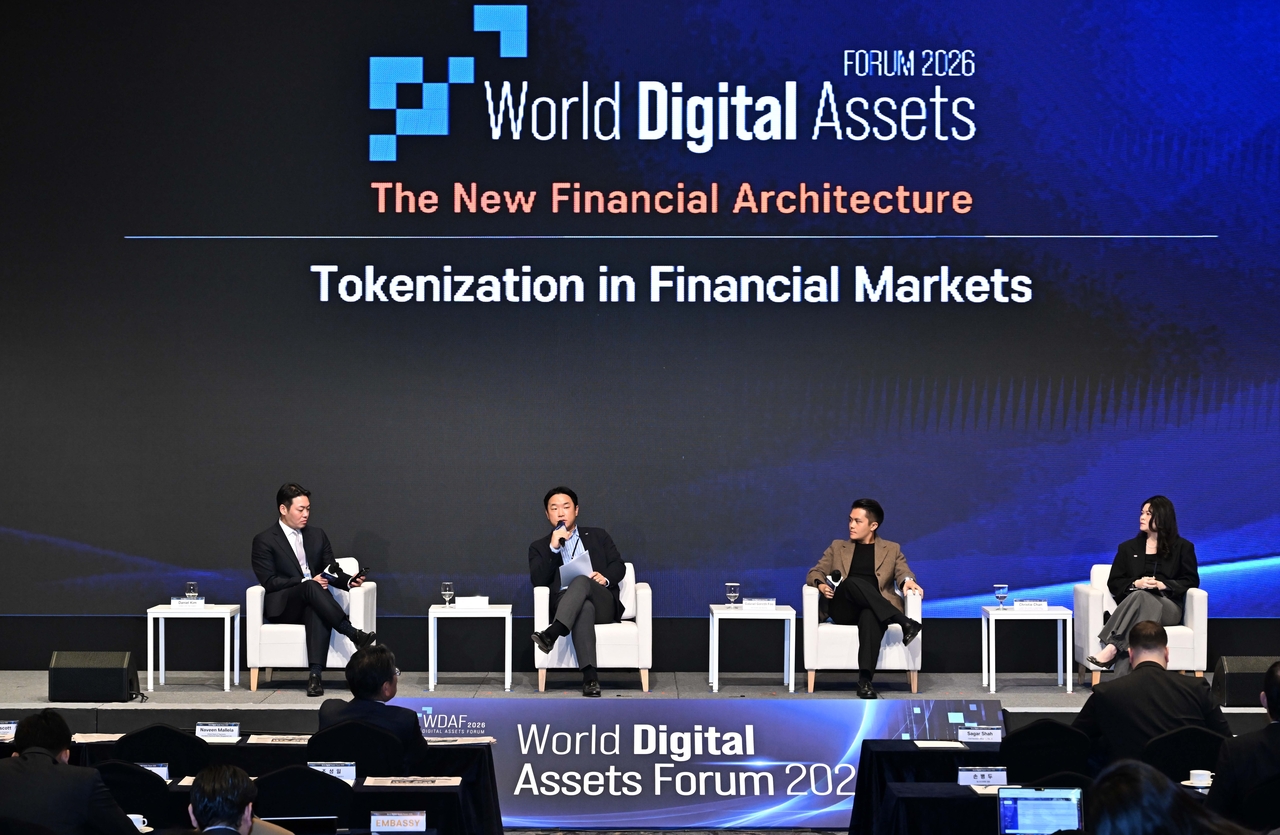
Global financial firms agreed Monday that the central challenge in asset tokenization has moved beyond putting assets on-chain — the real question is what to do with them once they are there. Panelists cited the roughly 20-fold growth of the US tokenized government bond market as evidence of rapid expansion, while flagging use cases and the build-out of regulatory and infrastructure frameworks as the next hurdles.
On the domestic front, Mirae Asset Securities offered a concrete timeline: the firm plans to launch a tokenization platform in February next year, timed to the entry into force of relevant legislation, with a tokenized private bond as its first product.
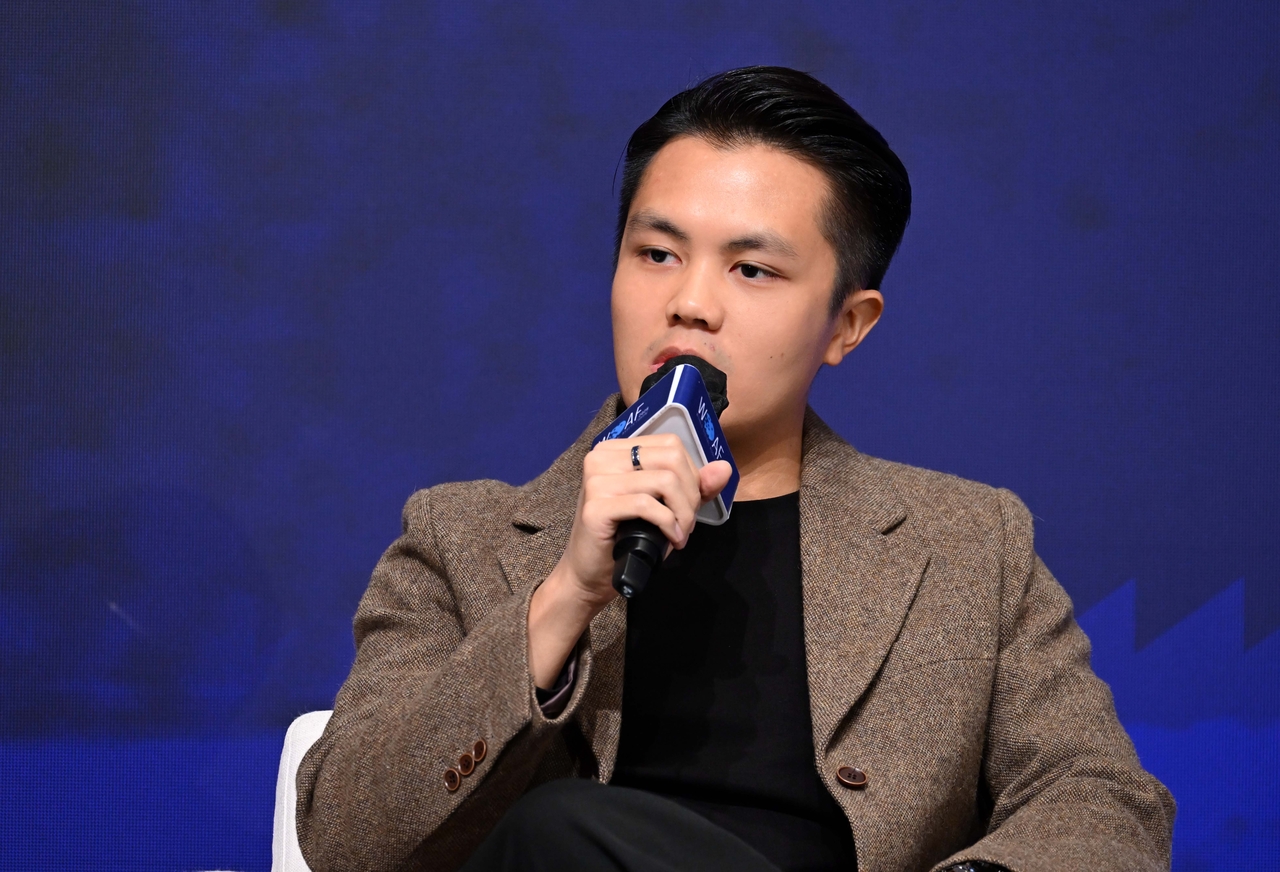
Gabriel Garres Phu, head of DeFi growth at Securitize, pointed to the on-chain migration of US government bonds as a marker of the market's rapid pace at the inaugural World Digital Assets Forum, hosted by The Korea Herald at the Grand Lotte Seoul in Sogong-dong, Seoul.
Garres Phu said the tokenized US government bond market had grown roughly 20-fold, describing a broadening movement to migrate conventional financial instruments onto blockchain-based systems.
Scaling the market further, he said, would require mechanisms linking asset-ownership recognition and management frameworks with traditional financial regulation and blockchain transaction systems.
"Tokenizing financial products issued in Korea can improve access for overseas investors and enable distribution in global markets," Garres Phu said. "It can also improve Korean investors' access to foreign financial products."
He said the tangible benefits delivered to investors matter just as much. "What is important is not the fact that an asset is tokenized, but the real benefits investors receive," he said, adding that the industry should focus on user-perceptible changes such as faster settlement and round-the-clock trading.
Because blockchain provides a foundation for sharing and verifying transaction data, he said, issuer-led asset tokenization is also likely to expand going forward.
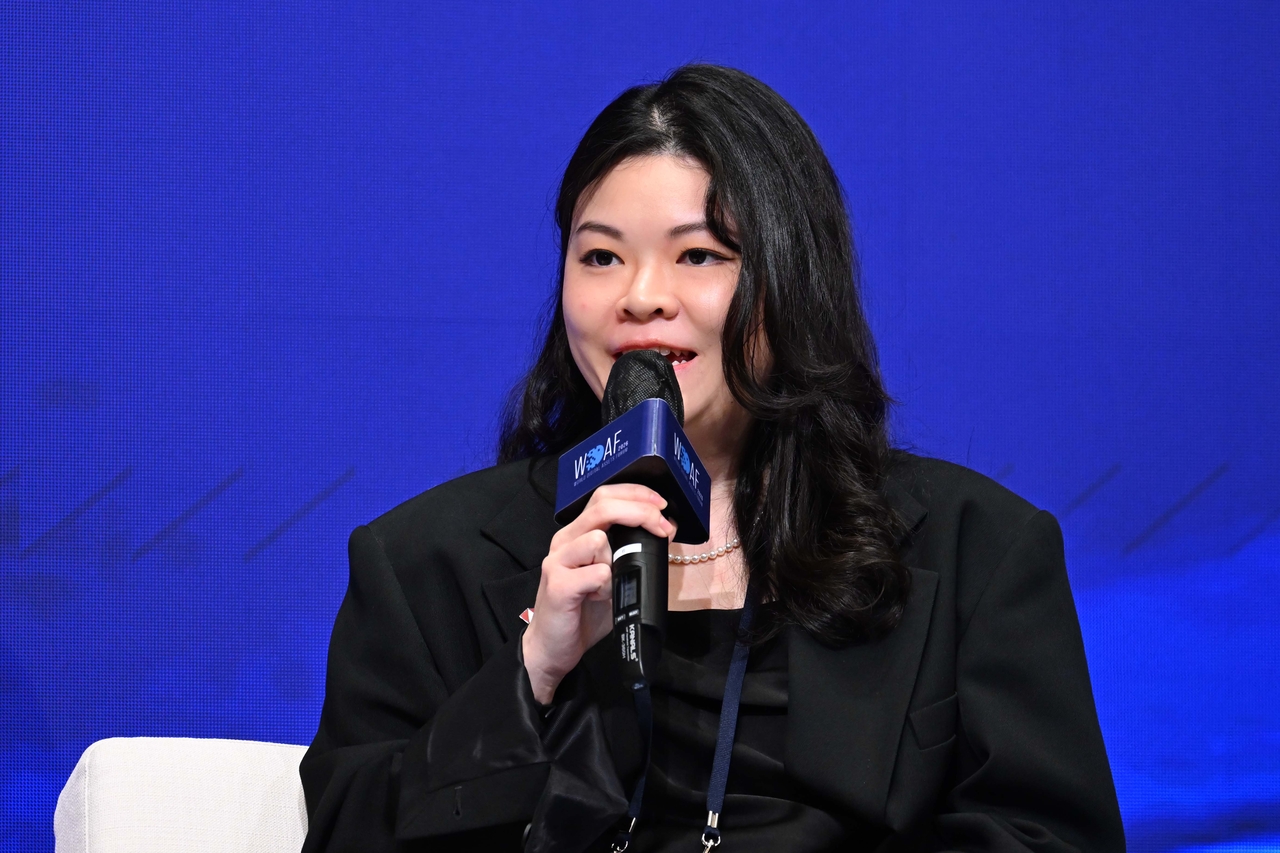
Christy Chan, director of digital assets and currencies at HSBC, highlighted the importance of payment infrastructure in tokenized financial markets. Chan drew particular attention to the T+1 settlement regime — which compresses settlement to one business day — and outlined the digital asset regulatory environments in Hong Kong and Europe.
"What matters is not which digital currency ultimately wins, but determining which form of digital currency is appropriate for each use case," Chan said. She said market participants must be able to choose among fiat currency, tokenized deposits, stablecoins and other payment instruments based on their specific purpose.
"To that end, it is important to have interoperability across financial systems and to offer a range of options," she said. "As tokenized bonds and other digital financial products multiply, the role of financial institutions in connecting multiple digital payment methods will grow as well."
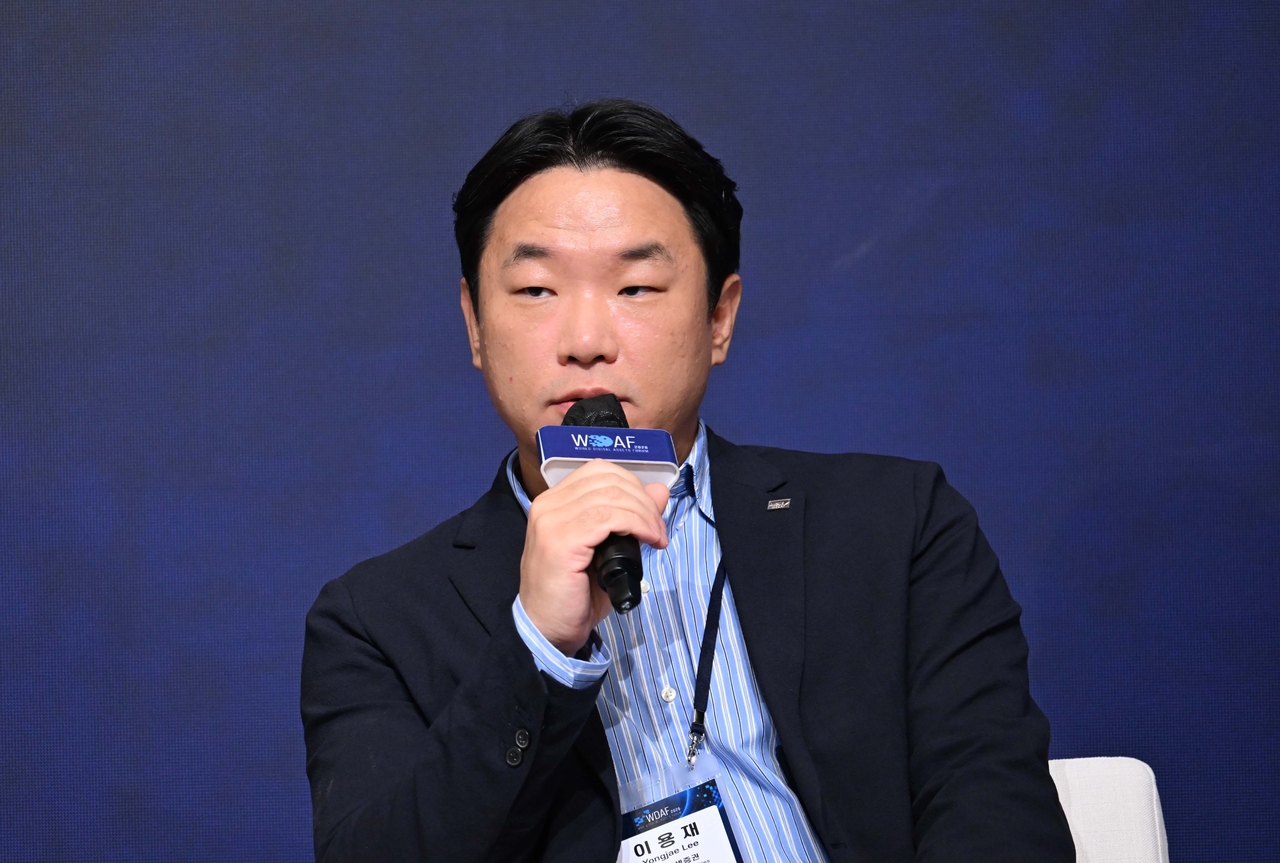
Mirae Asset Securities also unveiled specific business plans for the domestic market. Lee Yong-jae, head of the firm's digital asset industry division, called tokenization "a fundamental shift in financial infrastructure" and said the firm is preparing along three axes: products, technology and distribution.
Mirae Asset Securities is working with Mirae Asset Capital to issue tokenized private bonds, and is pursuing a tokenized money market fund with Mirae Asset Global Investments. "We plan to launch our first tokenized product in February next year, in line with the entry into force of the relevant legislation," Lee said.
The firm is also expanding its technology infrastructure. It currently uses Hyperledger Besu, a private blockchain, but plans to support multiple public blockchains once the regulatory groundwork is in place. Distribution will center on MAPS, its mobile platform.
Lee said a tokenized money market fund should not be limited to a simple investment product. "A tokenized MMF should also be usable as collateral or as a means of payment," Lee said. "Connecting different blockchain networks is equally important."
Lee also cited improved investment accessibility, greater asset utility and shorter settlement times as core competitive advantages of tokenization.
"If the internet changed how people access financial products, blockchain is changing how financial products are issued, traded and settled," Lee said. He added that the United States is already pursuing the tokenization of listed shares, and called on Korea to lead the tokenization market rather than simply follow global trends.
th5@heraldcorp.com
hajun825@heraldcorp.com