As Korean tourists increasingly seek out smaller Japanese cities on repeat visits to Japan, a controversy over what some locals are calling reverse discrimination against Japanese citizens has erupted in Matsuyama — a city well known among Korean travelers. Residents have raised concerns about the fairness of public spending after the city offered free shuttle buses and other perks exclusively to Korean visitors.
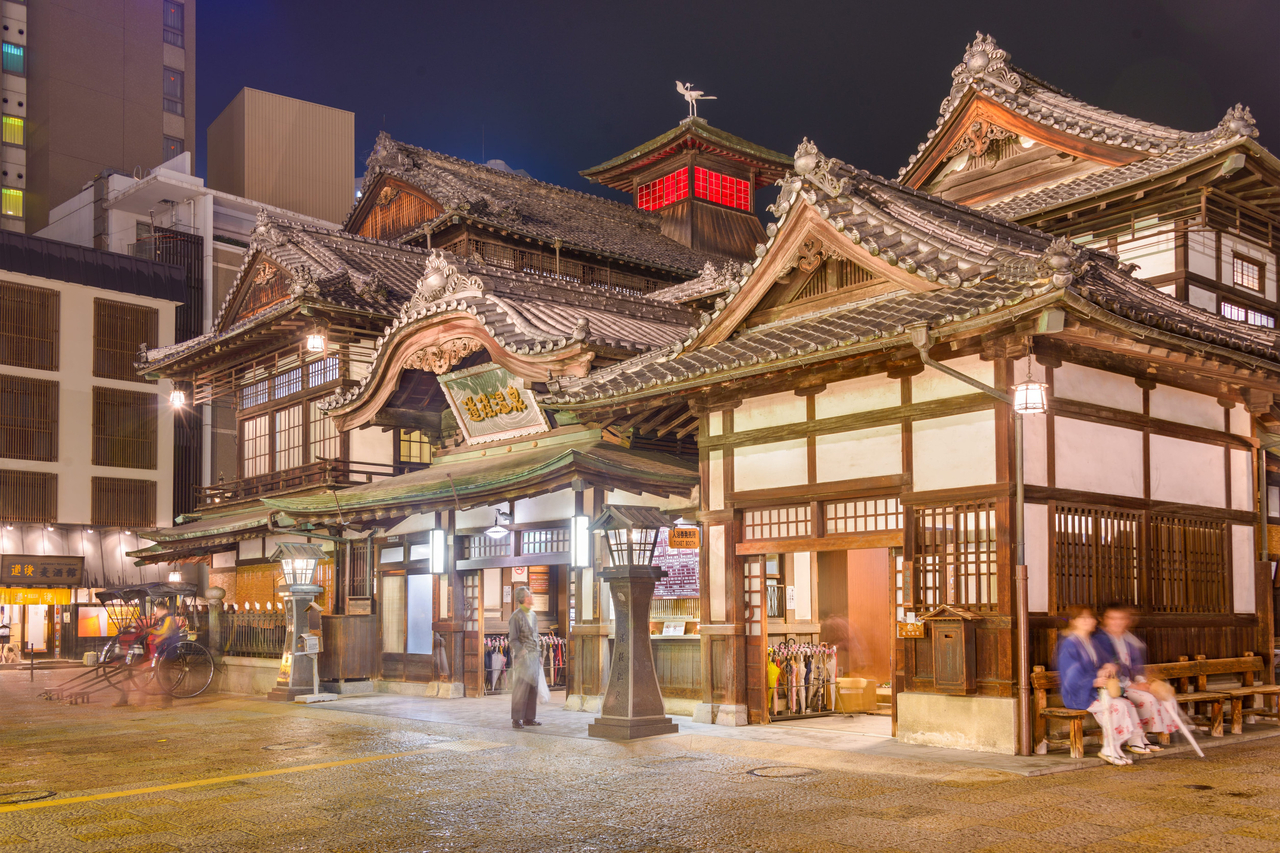
Matsuyama, the prefectural capital of Ehime Prefecture, is popular among Koreans for its wealth of attractions, including Dogo Onsen — the hot spring resort said to have inspired "Spirited Away" — as well as Matsuyama Castle and the Botchan Train. Local authorities have pursued aggressive marketing, operating free shuttle buses and distributing a coupon book exclusively for Korean tourists that includes admission tickets to major sights.
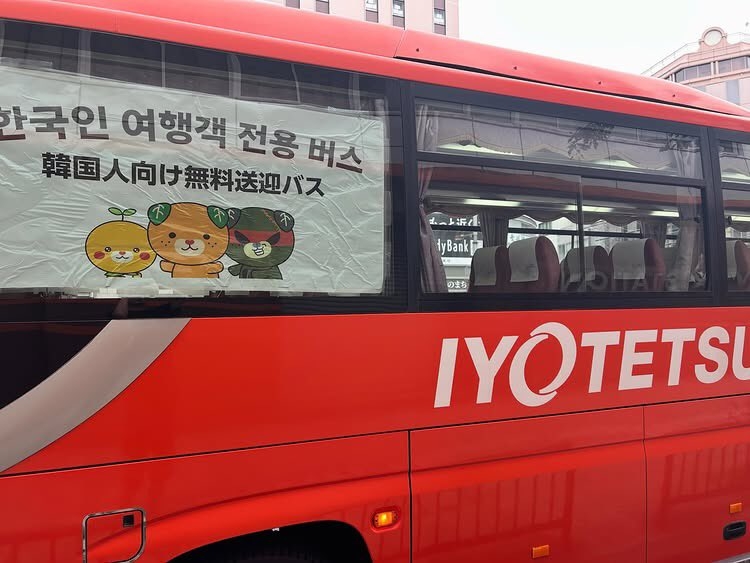
The controversy began in June when a photo of a sign at Matsuyama Airport reading "Free Shuttle Bus for Koreans" spread widely on X, formerly Twitter.
The post drew about 8.3 million views and more than 1,400 comments. Online criticism poured in, with users asking why Japanese tax money was being used to run free buses for Korean visitors and accusing the city of discriminating against its own citizens.
The shuttle runs between the airport and downtown Matsuyama, including Dogo Onsen, and is operated by Ehime Prefecture and Matsuyama City to attract foreign tourists. The prefecture has been covering the 1,200-yen ($8) one-way limousine bus fare out of its local budget.
Ehime Prefecture allocated 8.68 million yen in a supplementary budget in September 2023 under a line item for operating the free shuttle for Korean travelers, and added a further 12.72 million yen in operating costs in a supplementary budget the following June. As of 2025, about 220,000 people had used the service, according to the prefecture.
Local residents have questioned the fairness of the arrangement. On a public comment board that Matsuyama City opened in September, one resident asked whether the free transport and coupons were offered only to passengers on the Korean route because ridership would otherwise fall and airlines would pull the service, and demanded to know what benefits Japanese travelers to Korea receive when they arrive there.
As the backlash grew, Matsuyama Mayor Noshi Katsuhito issued an official response, saying the program "is not preferential treatment based on nationality but targets all inbound tourists using international scheduled routes." Noshi added that attracting inbound demand was essential for the city's tourism industry — its economic backbone — to keep growing as a shrinking domestic market was expected to follow population decline, and pledged to continue policies that encourage visitors to stay in the city and spend more locally.
An official from Ehime Prefecture's tourism promotion division also told local outlet J-CAST that the shuttle serves passengers on international routes from Seoul, Busan and Taipei, but acknowledged that because 80 to 90 percent of those on the Seoul and Busan flights are Korean, the signage had been worded in a way that made it easy to mistake the service as being exclusively for Koreans. The official said the wording would be revised.
According to Matsuyama City, the number of foreign visitors to the city in 2025 reached a record high of 744,500. Of those, 418,800 — about 56.2 percent — were Korean. Korean visitors surged roughly 6.7-fold in two years, from 62,600 in 2023 to 418,800 in 2025, cementing their role as the central pillar of Matsuyama's tourism economy.
bbo@heraldcorp.com