Co-sponsor of bill also raises concerns over rise in non-regular workers at budget committee
Kim says 'sustainable innovation is impossible with bad jobs'
Non-regular workers reached 8.671 million in August, up 103,000 in a year
A proposal to allow companies in so-called mega-special zones — strategic industry districts spanning multiple regions — to hire fixed-term workers for up to four years has emerged as a flashpoint in the National Assembly's budget review.
After a Democratic Party of Korea lawmaker who co-sponsored the bill raised concerns about a potential expansion of non-regular employment, Employment and Labor Minister Kim Young-hoon said he would place the issue on the agenda of tripartite labor-management-government social dialogue.
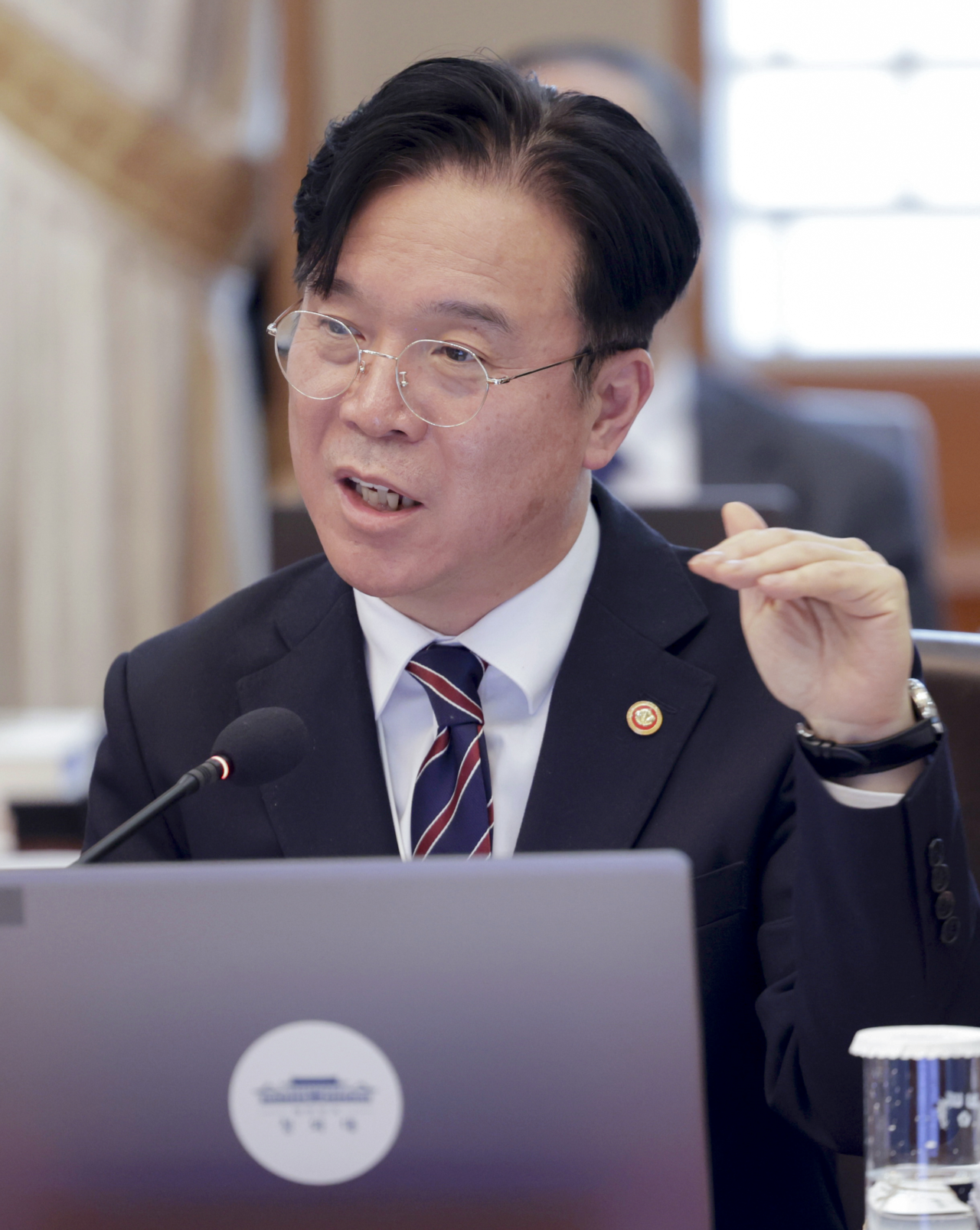
At a plenary session of the National Assembly's Special Committee on Budget and Accounts on Monday, Democratic Party lawmaker Lee Yeon-hee said extending the permitted use of fixed-term workers from two years to four could increase the number of non-regular workers. Kim acknowledged the concern. "It is true that such worries exist," Kim said. "I believe sustainable innovation is impossible with bad jobs," he added, saying he views the growth of non-regular employment with grave concern.
The special bill, introduced by Democratic Party lawmaker Park Sang-hyeok on Oct. 20, would designate special zones to attract strategic industry investment to regions and grant regulatory exemptions. On labor, it would ease the application of the 52-hour workweek cap and extend the maximum period for hiring fixed-term workers to four years. Under current law, continuously employing a fixed-term worker for more than two years without a statutory exception is treated as an open-ended employment contract. Companies receiving the exemption would be allowed to keep the same worker on a fixed-term basis for up to two additional years.
Labor groups have pushed back, arguing that introducing the bill while tripartite talks on labor exemptions were still under way could undermine the social dialogue process. Kim said he was not aware of the specific circumstances behind the bill's introduction before an agreement was reached, but understood it was filed out of a judgment that legislation was urgent.
According to the Ministry of Statistics, the number of non-regular workers stood at 8.671 million in August, up 103,000 from a year earlier. Their share of all wage workers rose 0.3 percentage points to 38.5 percent. Non-regular workers aged 60 and older numbered 3.18 million, an increase of 135,000. Kim attributed the growth to a rise in short-term contracts among older workers and a corporate preference for fixed-term hiring amid business uncertainty.
Kim said the government is discussing ways to provide youth with quality jobs while improving corporate innovation and productivity. He did not offer a timeline for a tripartite agreement.
fact0514@heraldcorp.com