After midterm setback, Trump weighs diplomatic path out of Iran conflict
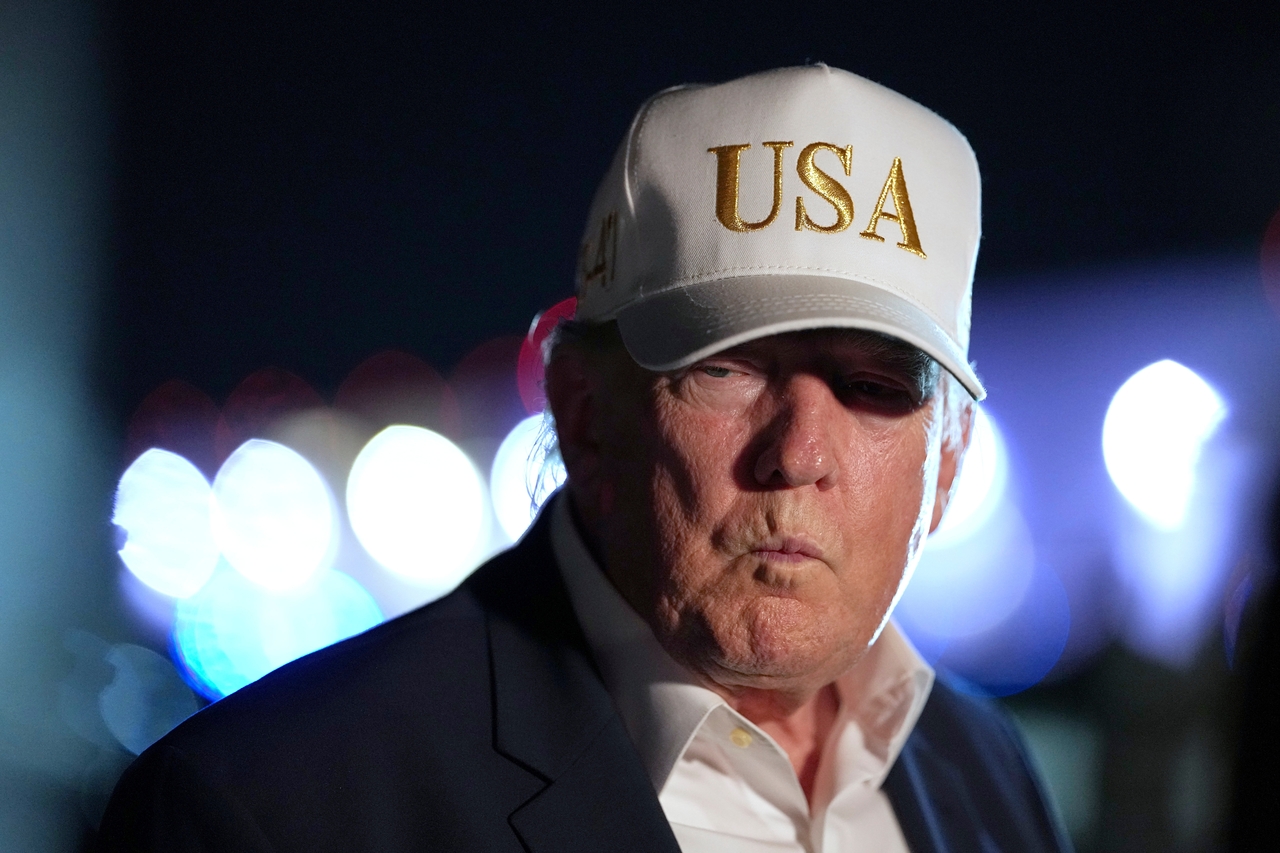
US President Donald Trump is set to meet Monday (local time) with Qatar's prime minister, who has played a key mediating role in the Middle East, to discuss a path toward ending the war with Iran.
The meeting signals Trump's continued push for a diplomatic resolution to the Iran conflict, even as his political standing has weakened following the Republican Party's heavy losses in the US midterm elections.
According to Axios on Sunday (local time), Trump plans to meet with Qatari Prime Minister Mohammed bin Abdulrahman Al Thani on Monday to discuss the possibility of reaching a truce with Iran and resuming nuclear negotiations.
Al Thani has served as a key intermediary in indirect talks between the United States and Iran over the past several weeks.
A source familiar with the matter said Al Thani hopes Trump will devote more time to pursuing a diplomatic solution.
The message is that before the United States considers resuming military strikes against Iran, it should make a genuine effort to reach a peaceful settlement led by regional mediators.
Trump has indicated a willingness to wait and see whether a deal with Iran is possible, but how much time he is prepared to give the negotiations remains unclear, Axios reported.
Al Thani is also expected to meet separately with US Vice President JD Vance before sitting down with Trump that day.
Vance spoke with Al Thani by phone nearly every day over the past two weeks as part of the indirect negotiations with Iran.
During that process, Qatar and other mediating countries proposed a framework under which the United States and Iran would exchange "mutual confidence-building" measures over two days before immediately launching nuclear negotiations.
Trump has also made a series of public remarks in recent media interviews leaving open the possibility of a deal with Iran.
In a CBS interview recorded Friday and aired Sunday, Trump was asked about the possibility of escalating the war against Iran and replied, "I don't think there's any reason to do that," adding that Iran's nuclear material "is buried under thousands of tons of rock."
In a separate phone interview with CNN, Trump said the likelihood of resuming strikes against Iran was "very unlikely."
CNN noted that Trump repeated the phrase "very unlikely" five times during the interview.
However, Trump attached a condition, saying it depended on whether "they sign a very powerful deal."
The "very powerful deal" Trump emphasized is understood to mean Iran's abandonment of nuclear weapons and a full guarantee of freedom of navigation through the Strait of Hormuz.
Observers have noted that reaching an actual agreement between the United States and Iran will not be easy.
US Secretary of State Marco Rubio told reporters before departing for a G7 foreign ministers' meeting that "I can't say we're on the verge of a breakthrough" on Iran, adding that "we're not getting very productive results at this point."
Rubio added that the president "always wants to resolve everything diplomatically, but unfortunately there are times when that's not possible," and said Iran's demands were "not only unacceptable but in some cases ludicrous and completely unrealistic."
thanks@heraldcorp.com