Special collection runs through Dec. 31, allowing use of standard pay-per-bag trash bags of 10–50 liters for volumes over 5 liters; bags must be labeled 'kimchi waste' and set out Sunday through Thursday from 6 p.m. to midnight — no mixing with regular trash or salted vegetables
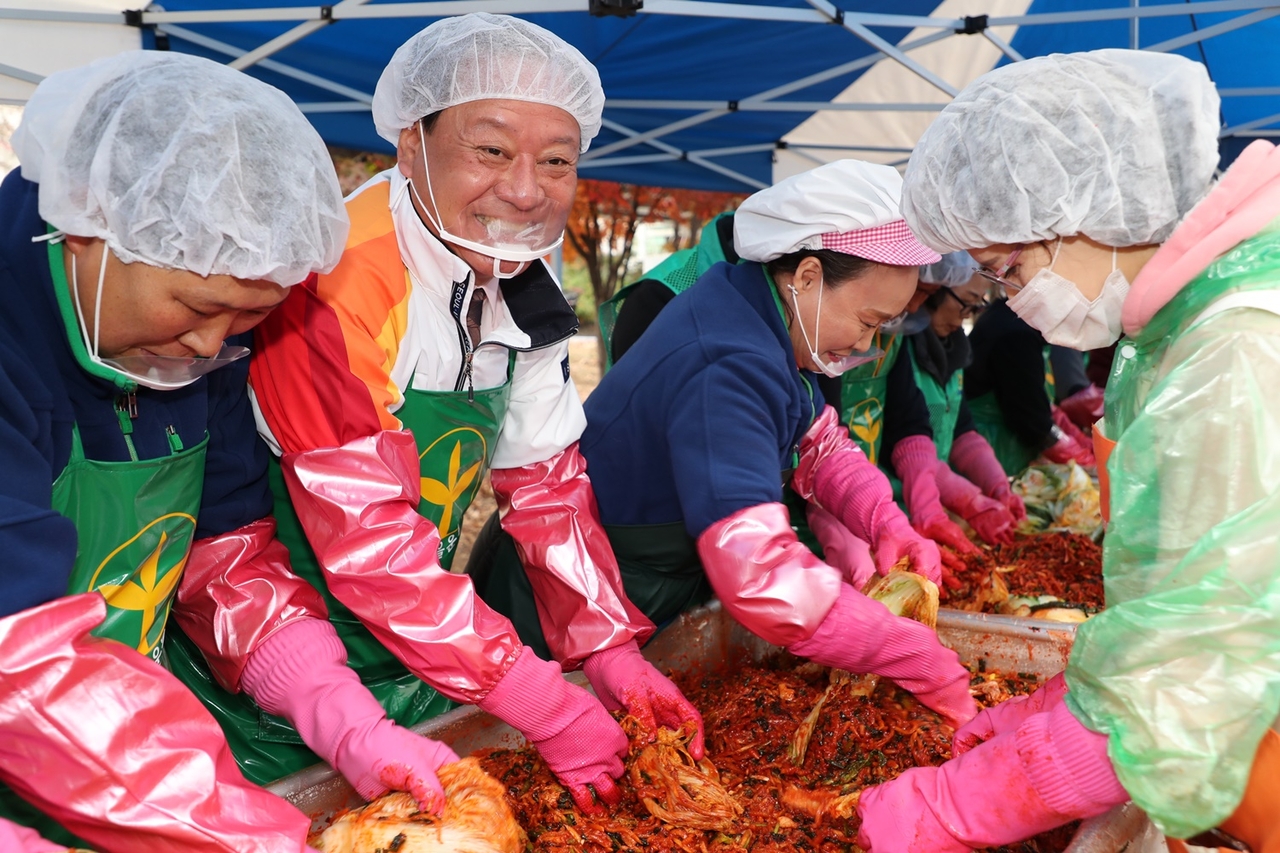
Mapo-gu will run a special kimchi-waste collection period through Dec. 31, allowing residents to dispose of vegetable scraps — such as cabbage leaves and radish trimmings generated during kimchi-making — in standard pay-per-bag trash bags.
Under normal rules, vegetable waste must be disposed of in food-waste pay-per-bag bags, which hold a maximum of 20 liters. During the kimchi-making season, however, the sheer volume of scraps produced at once means residents would have to split the waste across multiple bags — a significant inconvenience. In response, the district is allowing the use of standard trash bags of up to 50 liters throughout November and December.
The program covers households and small restaurants in the district; large-volume commercial waste generators are excluded.
Disposal rules vary by volume. For amounts exceeding 5 liters, residents should place the waste in a standard pay-per-bag bag of 10 to 50 liters and write "kimchi waste" on the outside. Bags larger than 50 liters are not permitted, for the safety of collection workers.
Amounts of 5 liters or less should be disposed of as usual in food-waste pay-per-bag bags. In apartment complexes that use RFID volume-based waste meters, amounts of 5 liters or less should go into the meter, while larger amounts should be placed in standard pay-per-bag bags using the same method described above.
Only raw, unseasoned vegetable scraps may go into the standard pay-per-bag bags. Vegetables that have been salted or coated with seasoning must be disposed of separately in food-waste pay-per-bag bags. Green onion roots, dried chili stalks, and onion and ginger peels are classified as general waste and must not be mixed with kimchi waste — they should be bagged separately in their own standard trash bags.
Bags labeled "kimchi waste" will be transported to food-waste processing facilities. General trash must not be mixed in. Bags that contain mixed waste or are not standard pay-per-bag bags will not be collected, and violators may be subject to a fine.
Waste may be set out in front of one's home or shop from 6 p.m. to midnight, Sunday through Thursday. Disposal is not permitted on Fridays or Saturdays, and bags must not be left on the road. For further details, residents may contact the Mapo-gu Office's sanitation administration division.
"We are running this special collection period so that residents can dispose of the large amounts of vegetable waste that pile up during kimchi season more conveniently," Mapo-gu District Mayor Yoo Dong-gyun said. "For smooth collection and processing, please follow the bag size requirements and sorting guidelines, and be sure to label bags containing only vegetable scraps as 'kimchi waste.'"
seouldream01@heraldcorp.com