Korea Construction & Engineering Institute forecasts 2027 housing, construction market
Jeonse shortage to persist amid falling move-in supply
Construction orders seen rising 4.1%, driven by advanced-industry demand
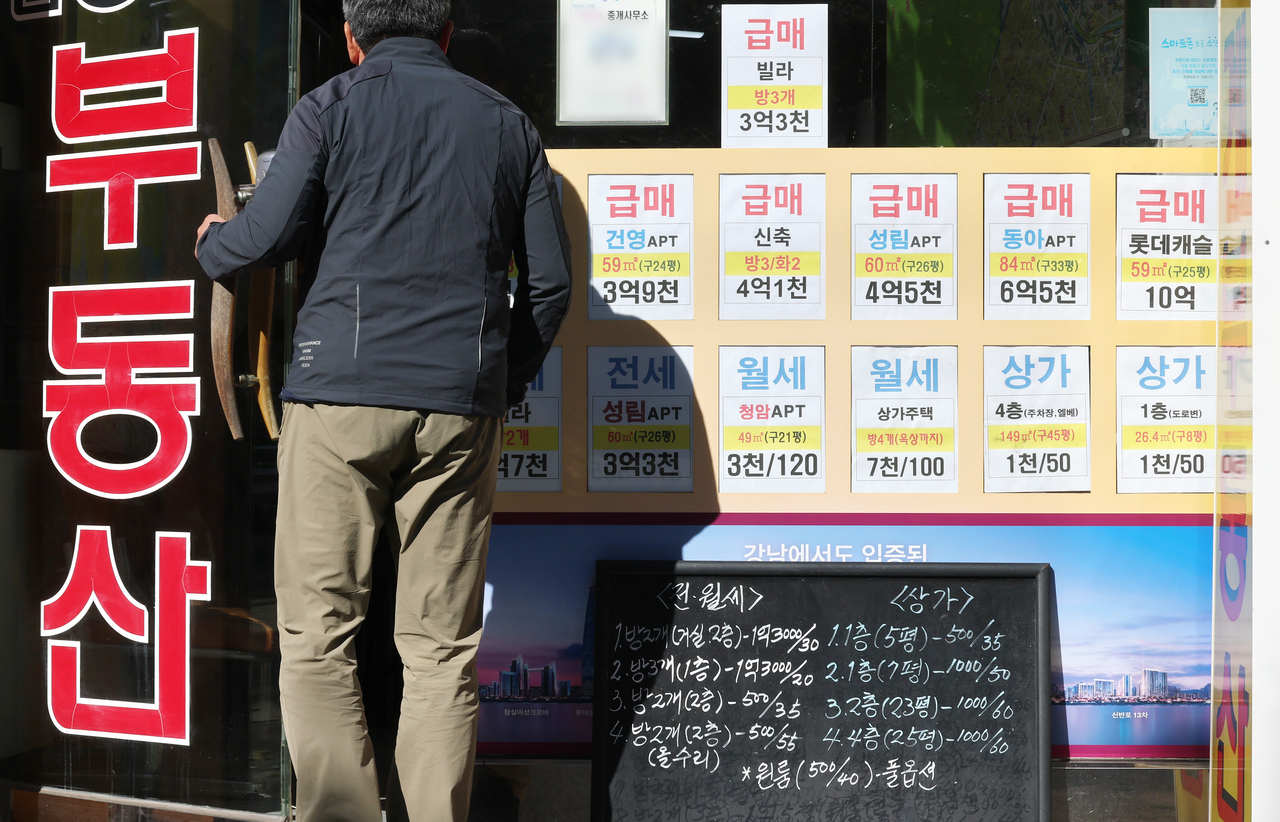
Jeonse prices nationwide are forecast to rise 4.5 percent next year — more than double the projected rate of home sale price growth. While the sales market is expected to slow amid tighter lending regulations and growing housing supply, the jeonse market faces a deepening shortage that will push prices higher.
The Korea Construction & Engineering Institute released its "2027 Housing and Construction Market Outlook" on Thursday, projecting that national home sale prices will rise 2.0 percent on an annual basis next year. The Greater Seoul metropolitan area is expected to outpace the national average with a 3.0 percent gain.
The projected annual sale price increase for next year is lower than this year's pace. The nationwide growth rate is expected to ease from 2.5 percent this year to 2.0 percent next year, while the metropolitan area rate is forecast to slip from 4.8 percent to 3.0 percent.
Home prices in the metropolitan area are expected to remain firm, but the cumulative burden of recent gains, combined with high interest rates and lending restrictions, will weigh on the market.
The national jeonse price increase is forecast at 4.5 percent next year, outpacing the sale price outlook. A drop in construction starts in 2023 is expected to reduce the number of units available for move-in, while a shortage of jeonse listings and rising deposits are also seen pushing up monthly rent prices. The institute noted, however, that the number of metropolitan area apartment units scheduled for move-in is set to grow from 50,000 in the first half of next year to 72,000 in the second half, which could ease some upward pressure.
"We need to monitor whether supply plans actually translate into ground-breakings and move-ins, and develop policies that account for regional demand and the housing cost burden on tenant households," said Kim Sung-hwan, a research fellow at the institute. "In areas where demand holds but supply falls short, bottlenecks in supply and redevelopment projects must be cleared and short-term supply-demand conditions managed."
Meanwhile, domestic construction orders are expected to grow 4.1 percent, from 251.5 trillion won ($188 billion) this year to 261.7 trillion won next year, as large-scale investment projects in semiconductors and AI data centers drive expanded demand for advanced manufacturing and related infrastructure.
In the private sector, the institute flagged the risk of a contraction in residential projects due to unsold units in regional markets, project financing burdens and high interest rates.
"Even if advanced industries and public demand support a construction recovery, improving private investment conditions and ground-breaking environments will be essential," said Lee Ji-hye, a research fellow at the institute. "Public projects must be executed on schedule with adequate construction costs and timelines secured, while financial, licensing and contractual bottlenecks facing viable private projects must be resolved."
lucky@heraldcorp.com